
Cycling in Maine: Coastal Routes, Island Roads, and the Rides Worth Knowing About
The Eastern Trail is a signed bike route stretching roughly 65 miles along Maine's southern coast, running from the Piscataqua River in Kittery all the way to South Portland. It follows a mix of road and path, and it's the kind of route where you catch glimpses of tidal rivers, small downtowns, and salt marshes that remind you why people move to Maine in the first place. It's not a loop, so planning point-to-point logistics matters, especially if you're riding with a group or a teenager who has limits. That said, you don't have to ride the whole thing. Breaking it into sections makes it approachable for a casual day out or a weekend with a friend.
The Kittery end is a natural starting point, and the town itself has good food and a history that goes back to the 1600s. Kittery was incorporated in 1647, making it the oldest town in Maine, and riding out from there gives the route a satisfying sense of place. The trail passes through several communities along the way, so there are natural stopping points for water, snacks, or a rest. If you're introducing someone to longer rides, this kind of built-in structure makes the day feel manageable rather than ambitious.
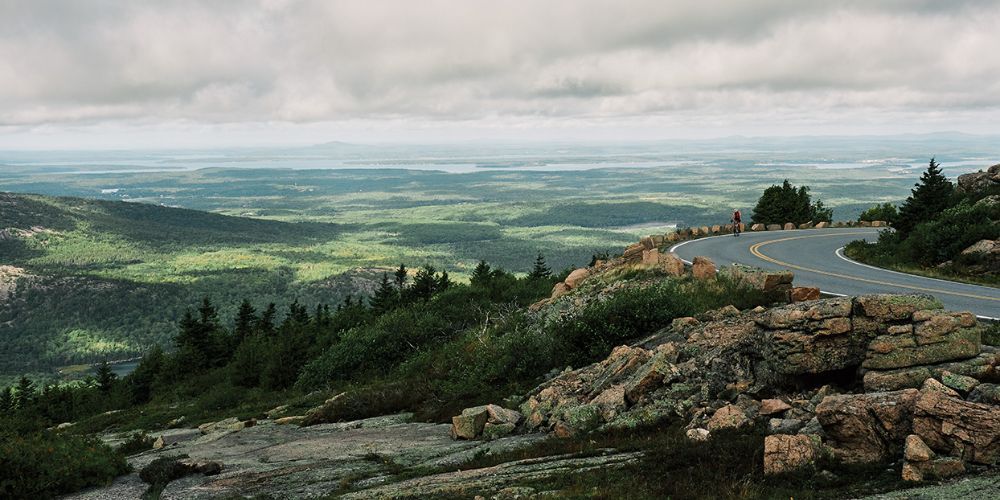
The Eastern Trail: Maine's Coastal Ride Worth Planning Around
Duck Harbor Campground sits on Isle au Haut, a remote island that's part of Acadia National Park, and cycling there is a different experience than most Maine rides. The terrain is described as very rigorous, on loose rock and unpaved roads. Trail biking is not permitted, but cycling on the roads is allowed under specific conditions noted in the campground listing. You'll want to read those conditions carefully before packing a bike for this trip.
One thing to know upfront: there are no bike rentals at Duck Harbor. You have to bring your own mountain bike, which means factoring in transportation to the island ferry. This isn't a casual add-on to a camping trip. It takes planning, the right gear, and a realistic sense of your fitness level on loose, unpaved surfaces. If that sounds like your kind of challenge, it also means you'll have roads largely to yourself, surrounded by the kind of quiet that's genuinely hard to find.
Access to Duck Harbor requires a campground reservation through recreation.gov. The island itself is small and lightly visited compared to the main section of Acadia on Mount Desert Island. Acadia National Park was established in 1916, and Isle au Haut has been part of it since 1943, though it still feels like a place most people haven't discovered yet. For the rider who wants something genuinely off the beaten path, this is it.
Terrain and What to Expect on Maine's Roads
Maine's cycling terrain is not one thing. The southern coast, where the Eastern Trail runs, is relatively flat and accessible for riders who are just getting comfortable with longer distances. Once you move north or onto islands like Isle au Haut, the landscape shifts. Roads get narrower, surfaces get rougher, and the elevation changes become real. Knowing which kind of ride you're looking for before you go helps you choose the right route and the right bike.
Paved road cycling and unpaved rugged terrain require genuinely different preparation. The Eastern Trail is the better starting point for beginners or for a relaxed day with a daughter or friend. Duck Harbor is for riders who are comfortable handling a mountain bike on loose rock and don't mind working for the scenery. Both are worth doing. They're just different days.
Gear Tips for Cycling in Maine
Maine's weather shifts fast, especially near the coast. Even in summer, a morning that starts cool can turn warm by noon and then drop again if you're near the water. Layering is not optional here. A lightweight, packable wind layer is one of the most useful things you can bring, and it takes up almost no space in a bag. Sun protection matters too, especially on open coastal stretches where there's little shade and the light off the water is bright.
For the Eastern Trail, a road bike or hybrid handles the route well. For Duck Harbor, you need a mountain bike, full stop. Loose rock and unpaved roads will fight you on anything else. Bring your own since rentals aren't available at that location, and make sure your tires are suited for the surface before you board the ferry. A small repair kit, a pump, and extra water are worth the weight on any Maine ride, especially on routes where you won't always have easy access to services.
Flattering, functional cycling clothes matter more than most people expect. Padded shorts make a long day on the saddle manageable. A breathable top that moves with you and handles sweat without clinging keeps you comfortable through the middle miles. Maine's coastal routes are also social, which means you'll likely want to stop somewhere for lunch or a coffee, so clothes that work on and off the bike are a practical choice.
Essential Gear for Maine

Moreok Waterproof Winter Cycling Gloves
List of Services
-
Camping in Maine Find Maine's best campgrounds for women, beginners, and families. Get real tips on Acadia, state parks, and gear. Start planning your trip today.Camping in Maine
-
Cycling in Maine Discover Maine's best cycling routes for women and families. Find top trails, gear tips, and when to go. Start planning your ride today.Cycling in Maine
-
Hiking in Maine Find Maine's best hiking trails for beginners, families, and solo adventurers. Real tips, top spots, and gear advice. Start planning your trip today.Hiking in Maine
-
Kayaking in Maine Find Maine's best kayaking routes for beginners and families. Real spots, gear tips, and when to go. Start planning your paddle trip today.Kayaking in Maine