
Best Mountain Biking Helmets: MIPS-Equipped Picks for Every Budget
If you're getting into mountain biking — or helping your daughter gear up for trail rides — the helmet is the one piece of equipment you don't want to skip or second-guess. The good news is that finding a solid mountain biking helmet doesn't have to be complicated or expensive. There are great options at every price point, and this guide breaks them all down in plain English.
We put together this list based on a combination of sales data, buyer ratings, and search trends so you can see what real riders are actually buying and loving. Whether you're a total beginner looking for your first trail helmet or a mom shopping for the whole family, you'll find something here that fits your needs and your budget.
We also cover the things that actually matter when you're choosing a helmet — including a really important safety feature called MIPS that you'll want to know about before you buy anything. Let's dig in.
Retrospec Lennon — A fantastic entry point for new mountain bikers, the Retrospec Lennon delivers reliable protection at just $39.99. It's a great fit for women and beginners who want a well-made helmet from a trusted brand without breaking the bank.
Shop on Amazon →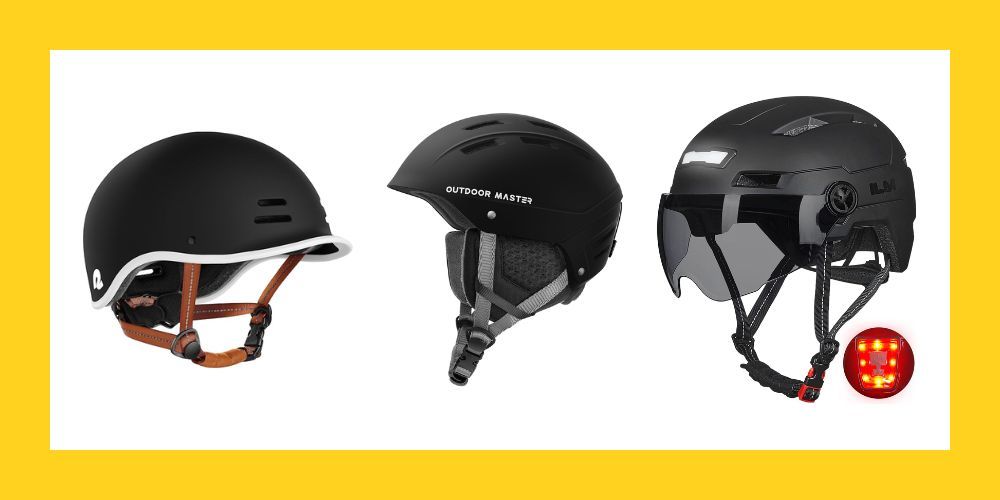
Why a good mountain biking helmet matters more than you might think
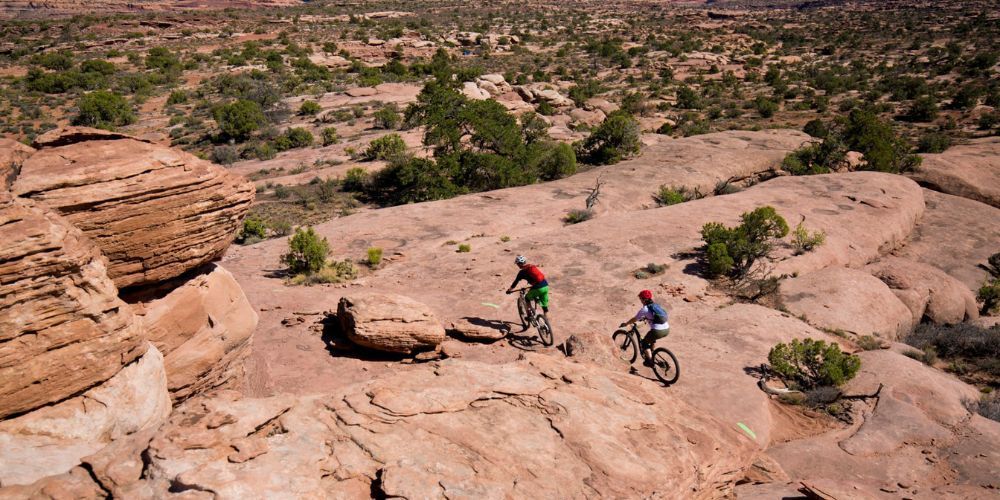
Mountain biking is one of those sports where you can go from a smooth, peaceful trail to an unexpected root or rock in a split second. Even on beginner-friendly paths, falls happen — and they tend to happen fast. A good helmet is your most important piece of protection, full stop. Unlike road cycling where you're mostly riding in a straight line, trail riding involves turns, hills, uneven terrain, and the occasional tumble, so having the right helmet on your head really does make a difference.
For moms who are getting their daughters into the sport, this is especially worth thinking about. Kids are fearless (sometimes a little too fearless), and a helmet that fits well and meets current safety standards gives you real peace of mind while they're out there exploring. The same goes for you — if you're just starting out on trails yourself, investing in a proper mountain bike helmet before your first ride is one of the smartest things you can do.
There's also the comfort side of things. A helmet you actually like wearing is one you'll actually wear every time. Good ventilation, a secure fit, and features like ponytail-friendly designs make a big difference in whether your helmet ends up on your head or hanging in the garage. This guide covers all of that so you can find something that works for your real life on the trail.
The three tiers: budget, mid-range, and premium
The right helmet really does depend on how often you plan to ride and what your budget looks like. Someone hitting the trails every weekend has different needs than someone trying the sport for the first time this summer.
Budget · under $40
OUWOER Kids Bike Helmet
$34.99
Not yet rated
A solid, affordable pick for younger riders just getting started on two wheels. It covers the basics well and comes in at a price that makes it easy to say yes. Great for parents who want protection without a big upfront commitment.
Shop on AmazonBest value · $40–$55
BATFOX Bike Helmet
$49.99
Not yet rated
The BATFOX sits right in the sweet spot — enough features to feel like a real mountain bike helmet without jumping to a premium price. It's a smart pick for riders who are past the curious stage and starting to take trail riding seriously.
Shop on AmazonPremium · $55+
Triple Eight Certified Sweatsaver
$54.99
Not yet rated
Triple Eight is a well-known name in action sports helmets, and the Sweatsaver lives up to the brand's reputation. The moisture-wicking liner is a genuine comfort upgrade, making it a great option for longer or warmer rides.
Shop on AmazonTop features to look for in a mountain biking helmet
Not sure what to actually look for beyond 'fits my head'? Here are the features that matter most — explained without any gear-speak.
MIPS — the most important safety feature to know about
MIPS stands for Multi-directional Impact Protection System. Here's the simple version: it's a thin slip-plane layer inside the helmet that allows the helmet to rotate slightly on impact. Why does that matter? In a real crash, your head rarely hits a surface straight on — it usually hits at an angle, which creates a twisting or rotational motion. The MIPS layer is designed to help manage that rotational force. It was developed over years of research and is now widely used across helmet brands at multiple price points. Virginia Tech's helmet safety lab — one of the most respected independent sources for helmet ratings — has consistently shown that MIPS helmets perform well in their testing protocols. Bottom line: look for MIPS on any helmet you're seriously considering, regardless of your budget.
Fit system (how the helmet adjusts)
Most modern bike helmets use a dial or retention system at the back of the helmet — you twist it to snug the helmet down to your head. Look for one that's easy to adjust with one hand, especially if you have kids who will be putting the helmet on themselves. A helmet that wobbles around on your head isn't doing its job properly.
Ventilation
If you've ever worn a hot, stuffy helmet on a summer trail ride, you know how miserable it gets. Ventilation channels — the open channels that let airflow through — make a huge difference in comfort, especially during warmer months. Trail helmets generally have good ventilation. Enduro helmets (designed for more aggressive, high-speed riding) often offer slightly less ventilation in exchange for more coverage at the back of the head. For most beginners, a well-ventilated trail helmet is the right call.
Trail vs. enduro style — what's the difference?
If you're new to MTB, you might see these terms and wonder what they mean. Trail helmets look similar to regular bike helmets — they're lightweight, well-ventilated, and great for most recreational riding. Enduro helmets have more coverage, especially around the back and sides of the head, and are built for faster, more technical terrain. If you're just starting out or doing casual trail rides, a trail-style helmet is the right fit. You don't need enduro-level protection until you're riding at a much more aggressive level.
Ponytail-friendly design
This one is a genuine difference-maker for women riders. Some helmets now include a ponytail port — an opening or gap at the lower back of the helmet specifically designed so your hair can sit comfortably without getting crushed. If you typically ride with your hair up, this feature goes from 'nice to have' to 'absolutely worth checking for.' Look for it in the product description before you buy.
Certification
Any helmet you buy should meet at minimum the CPSC (Consumer Product Safety Commission) standard for cycling in the US. Some helmets also carry ASTM or CE certifications. You'll usually see this called out in the product listing. Don't buy a helmet that doesn't list any safety certification.
Our Top Picks at a Glance
| Rank | Product | Price | Rating | Best For |
|---|---|---|---|---|
| 1 | Retrospec Lennon | $39.99 | Not yet rated | Best overall for beginners |
| 2 | OUWOER Kids Bike Helmet | $34.99 | Not yet rated | Best budget pick for kids |
| 3 | Findway Pro Bike Helmet | $33.99 | Not yet rated | Budget option with a sporty look |
| 4 | Triple Eight Certified Sweatsaver | $54.99 | Not yet rated | Premium comfort for longer rides |
| 5 | Giro Isode MIPS II | $79.95 | Not yet rated | Trusted brand, dedicated MIPS design |
| 6 | BATFOX Bike Helmet | $49.99 | Not yet rated | Best mid-range value |
| 7 | ILM E3-10L | $64.99 | Not yet rated | Full-face coverage option |
| 8 | ANYPASS Mountain Bike Helmet | $36.99 | Not yet rated | Budget MTB-specific styling |
How to choose the right mountain biking helmet for you
Shopping for a mountain bike helmet can feel a little overwhelming at first, especially with so many options out there. Here's a simple, practical framework to help you narrow it down fast.
Start with MIPS — it's a must at every price
We covered MIPS in the features section, but it's worth repeating here: look for it no matter what your budget is. The good news is that MIPS technology has become more affordable over time, and you can find MIPS-equipped helmets in the $40–$50 range without much trouble. If a helmet doesn't have MIPS, keep looking. It's that important, and you don't have to pay a premium price to get it anymore.
Get your head size right
Helmet sizing is based on the circumference of your head, measured just above your eyebrows. Use a soft measuring tape or a piece of string, then measure in centimeters. Most helmets list their size range right in the product description (for example, S/M: 52–57cm). When in doubt, size up slightly and use the adjustment dial to snug it down. A helmet should feel secure — not tight or painful — and shouldn't rock forward or backward when you shake your head.
Think about what kind of riding you'll actually do
If you're sticking to groomed trail systems, beginner loops, or family bike paths, a standard trail-style helmet is exactly what you need. These are lighter, better ventilated, and totally appropriate for most recreational riding. If you ever get into more aggressive terrain — steep descents, technical rock features, bike parks — that's when you'd start looking at enduro helmets with more coverage. But for now, don't overthink it. A good trail helmet is the right starting point for 90% of beginners.
Women-specific fit and features
Helmets marketed as 'women's' sometimes just come in different colors, but a few genuine features are worth checking for. First, ponytail ports — a cutout or gap at the back of the helmet that lets a ponytail sit comfortably rather than getting jammed against the retention dial. If you ride with your hair up (and most of us do), this is worth searching for specifically. Second, some helmets are shaped slightly differently to accommodate common differences in head shape. Reading buyer reviews from women riders can tell you a lot here — look for comments about fit and comfort rather than just appearance.
Check safety certifications before you buy
Look for CPSC certification for US buyers — this is the baseline standard for cycling helmets sold in the United States. Virginia Tech's helmet safety ratings are an excellent independent resource if you want to go deeper. They test a wide range of helmets and publish their results online, and it's one of the most trustworthy third-party sources available. Some of the top-performing helmets in their ratings come from brands like POC and Smith, which are widely considered among the gold standards in helmet safety — good to know if you ever upgrade to a higher-end option down the road.
Replace your helmet after a crash (and every few years anyway)
This is one of the most important things new riders don't know: helmets are designed to absorb a single significant impact, and after that they may not protect you the same way even if they look fine. If you take a hard fall, replace your helmet. Also plan to replace it every 3–5 years regardless, as foam materials degrade over time.
Ready to hit the trail? Here's what we'd tell a friend
Finding the right mountain biking helmet doesn't have to be stressful. Look for MIPS, make sure it fits your head properly, and pick a style that matches the kind of riding you're actually going to do. If you're just getting started, the Retrospec Lennon at $39.99 is a genuinely great place to start — it delivers solid protection from a trusted brand at a price that makes it easy to commit. Whether you're shopping for yourself or gearing up your daughter for her first trail adventures, getting the right helmet first means you can focus on what actually matters: having fun out there.
We update this guide regularly as new products come to market and sales data shifts, so bookmark it and check back if you're comparing options over time. Got questions? The FAQ section below covers the most common things people ask before buying. Happy riding!
How do I know if a mountain bike helmet fits correctly?
Start by measuring the circumference of your head just above your eyebrows — use a soft measuring tape or string, then measure in centimeters. Match that number to the size chart in the product listing. Once the helmet is on, it should feel snug and secure without pinching or feeling tight. It shouldn't rock forward, backward, or side to side when you shake your head. The brim should sit about two finger-widths above your eyebrows. If it passes those checks, you've got a good fit.Do I really need a MIPS helmet, or is it just a marketing thing?
MIPS is genuinely worth it, not just marketing. It stands for Multi-directional Impact Protection System, and it adds a thin slip-plane layer inside the helmet that helps manage rotational forces during an angled impact — which is how most real crashes happen. Virginia Tech's independent helmet safety lab has consistently found that MIPS helmets perform well in their testing, and the technology has become affordable enough that you can find it at almost every price point. We recommend looking for MIPS on any helmet you buy.Are there mountain bike helmets made specifically for women with long hair?
Yes, and it's worth looking for this if you typically ride with your hair up. Several helmets now include a ponytail port — a gap or cutout at the lower back of the helmet so your ponytail can sit comfortably without getting crushed against the adjustment dial. It sounds like a small thing, but riders who have it say it makes a real difference in comfort. Check the product description or buyer reviews to see if a specific helmet mentions ponytail accommodation before you buy.
Nature's Playbook

As an Amazon Associate I earn from qualifying purchases.