
Best Mountain Biking Hydration Packs: Backpacks and Hip Packs for Every Ride
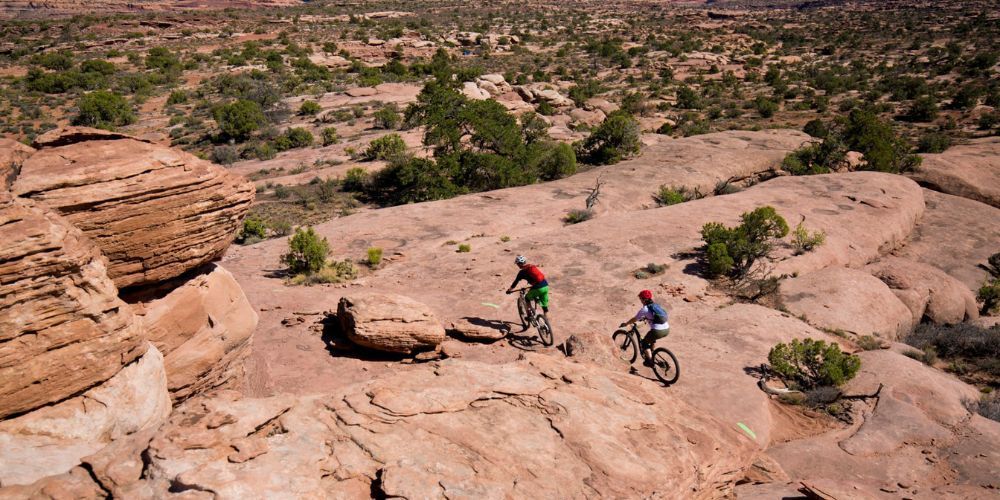
If you've ever come back from a trail ride feeling completely wiped out — and realizing you barely drank any water — you're not alone. Staying hydrated on a mountain bike ride is trickier than it sounds. You're focused on the trail, your hands are on the bars, and stopping to dig a water bottle out of your bag just doesn't happen as often as it should. That's exactly why mountain biking hydration packs exist, and why so many riders — from total beginners to weekend warriors — swear by them.
This guide breaks down the best mountain biking hydration packs available right now, with options for every budget and every type of rider. Whether you're just getting started on local trails or you're planning longer all-day rides with your family, we've got you covered. Our rankings are based on Amazon sales data, buyer ratings, and search trends — so you're seeing what real riders are actually buying and loving, not just what looks good on paper.
Not sure whether you need a backpack, a hip pack, or a vest? Don't worry — we'll explain all of that in plain English before you spend a single dollar. Let's dig in.
Unigear Hydration Pack Backpack — At just $26.99, this pack is a fantastic starting point for anyone new to trail riding. It carries everything you need without breaking the bank, making it an ideal first hydration pack for beginners and casual weekend riders alike.
Shop on Amazon →Why you need a hydration pack for mountain biking
Here's the honest truth: mountain biking makes it surprisingly hard to drink water. You're navigating roots, rocks, and turns — your hands are busy and your focus is on the trail ahead. Water bottles stored in a jersey pocket or mounted on the frame are easy to forget, and stopping mid-ride to dig one out breaks your momentum (and your kids' patience). A hydration pack puts water right on your back with a tube that reaches your mouth, so you can sip whenever you want without slowing down or stopping.
Beyond just carrying water, most hydration packs also have storage space for snacks, a light jacket, your phone, keys, and a small first aid kit. If you're heading out for even a couple of hours on the trail, having all of that in one comfortable pack on your back is a total game changer. It means you can focus on the ride — and on having fun — instead of worrying about where your stuff is.
If you're a mom getting your daughter into mountain biking, or you're picking the sport back up yourself, a good hydration pack is honestly one of the first pieces of gear worth investing in. It's one of those things that once you try it, you'll wonder how you ever rode without it.
The three tiers: budget, mid-range, and premium
We organized our picks by price because the right hydration pack really does depend on how often you ride and what you need to carry. If you're just getting started, there's no need to overspend — a solid budget pack will do the job beautifully for casual trail days.
Budget · under $27
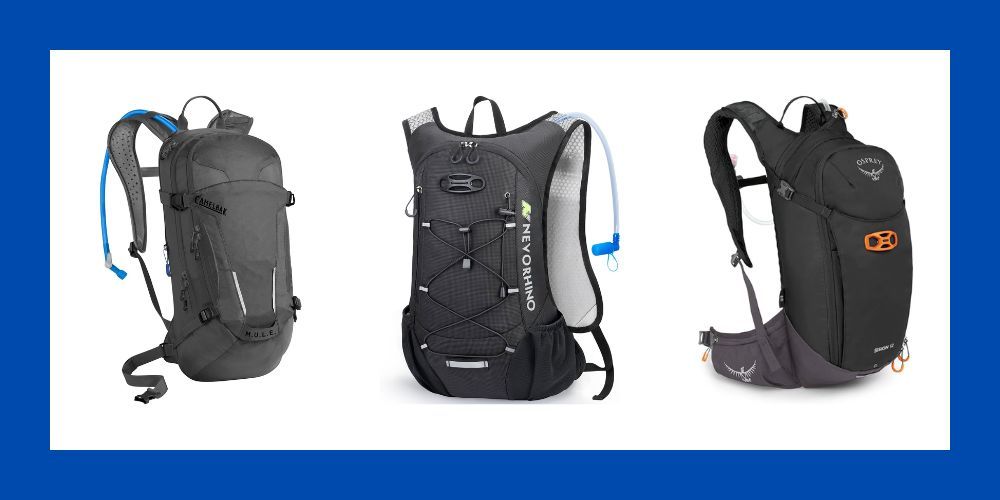
N Nevo Rhino Lightweight Hydration Backpack
$25.99
Not yet rated
The N Nevo Rhino is a lightweight and affordable option that's great for shorter rides when you want to keep things simple. It's easy to fill, easy to wear, and won't feel like a burden on your back. A great choice if you're brand new to hydration packs and want to try one out without a big commitment.
Shop on AmazonBest value · $26–$30
Unigear Hydration Pack Backpack
$26.99
Not yet rated
The Unigear pack is our top overall pick for a reason — it hits the sweet spot of price, practicality, and ease of use. It's designed to carry enough water for a solid trail ride while still leaving room for snacks and the essentials. If you only buy one thing from this list, make it this one.
Shop on AmazonPremium · $38+
Zelvot Running Vest
$38.59
Not yet rated
The Zelvot Running Vest takes a different approach — it's a vest-style pack that hugs closer to your body, which some riders prefer on technical trails. It's a step up in design and is worth considering if you want something that feels more streamlined and secure during faster or more aggressive riding.
Shop on AmazonTop features to look for in a mountain biking hydration pack
Backpack vs. hip pack vs. vest — which style is right for you?
This is the single most important decision, and most beginners don't even know the difference. Here's a simple breakdown: a hip pack(also called a waist pack) wraps around your waist and sits on your hips. It's lightweight and great for short rides — think an hour or less on easy trails. A backpack-style hydration pack sits on your back like a regular daypack and holds more water plus extra gear. It's the go-to for rides over an hour or any time you need to carry snacks, a jacket, tools, or a phone. A vest-style pack wraps around your torso like a vest, sitting closer to your body — popular with riders who want a more secure, low-bounce fit on faster or more technical terrain. For most beginners and casual riders, a backpack-style pack is the most versatile starting point.
Bladder capacity — how much water do you actually need?
The water reservoir inside a hydration pack is called a bladder. Sizes are measured in liters, and here's a simple rule of thumb: 1.5L is enough for rides up to about an hour. 2L is the most popular size — it works well for 1–3 hour rides and is what most beginner packs include. 3L is for longer all-day adventures where you won't have easy access to water refills. If you're not sure, go with 2L. You can always drink less, but you can't drink what isn't there.
Storage space
Look at how many pockets and compartments the pack has. Even if you're just doing a quick trail loop, you'll probably want to carry your phone, keys, a snack, and maybe a light layer. Most hydration backpacks have a main compartment for the bladder and at least one or two extra pockets for the small stuff. More pockets isn't always better — what matters is that it's organized enough to find things quickly while you're out on the trail.
Fit and comfort
A pack that bounces around or digs into your shoulders will ruin your ride fast. Look for adjustable straps — both shoulder straps and a chest strap — so you can dial in the fit for your body. Brands like Osprey make women's-specific packs (like the Osprey Raven) that are cut to fit a woman's torso and shoulder width more naturally. If you've ever tried a unisex pack and felt like it just didn't sit right, a women's-specific fit can make a big difference. That said, many of the budget-friendly packs on this list are designed to be adjustable enough to work well for most people.
Drinking tube and bite valve
The tube that runs from the bladder to your mouth is called the drinking tube, and the part you bite to release water is the bite valve. It sounds technical but it's actually really simple once you try it — it's just like a straw with a valve. Look for a magnetic tube clip or a chest clip so the tube stays in place and doesn't flop around while you ride. Most packs include all of this out of the box, so you don't need to buy anything extra.
Ease of cleaning
Bladders can get moldy if you don't clean them properly after rides. Look for a wide-mouth opening on the bladder so you can get your hand inside (or at least a cleaning brush) to rinse it out. Some bladders are even dishwasher-safe. This is one of those things that sounds boring until you open a pack that's been sitting in a hot car for two weeks — trust us, easy cleaning matters.
Our top picks at a glance
| Rank | Product | Price | Rating | Best For |
|---|---|---|---|---|
| 1 | Unigear Hydration Pack Backpack | $26.99 | Not yet rated | Best overall for beginners |
| 2 | N Nevo Rhino Lightweight Hydration Backpack | $25.99 | Not yet rated | Best budget pick for short rides |
| 3 | Zelvot Running Vest | $38.59 | Not yet rated | Best for riders who want a vest fit |
| 4 | Noola Hydration Backpack | $36.49 | Not yet rated | Solid mid-range alternative |
How to choose the right mountain biking hydration pack
The best place to start is with one simple question: how long are your rides? If you're typically out for an hour or less on easy trails, a lightweight hip pack might be all you need — it's less bulk, less weight, and easier to grab and go. But if you're doing longer rides, riding with kids who need extra snacks and supplies, or exploring new trails where you might be out longer than planned, a backpack-style hydration pack is the smarter choice. It holds more water and gives you room for the extras.
Here's a quick use-case guide:
- Short rides (under 1 hour, easy trails): Hip pack or a 1.5L backpack pack
- Medium rides (1–3 hours): Backpack-style with a 2L bladder — this is most people's sweet spot
- All-day rides or long trail days: Backpack with a 2L or 3L bladder and plenty of storage space
- Technical or fast riding: A vest-style pack that stays close to your body
Next, think about fit. If you've struggled with backpacks feeling too big across the shoulders or sitting awkwardly, you might want to look for women's-specific options. Brands like Osprey design packs specifically for women's torso shapes and shoulder widths — the Osprey Raven series is one of the most recommended women's-specific mountain bike hydration packs out there. It's not in our budget picks, but it's worth knowing about as you grow in the sport.
For families just getting started, we recommend keeping it simple: grab an affordable 2L backpack-style pack for each rider, see how it goes, and upgrade later if you find you need more capacity or more storage. The packs on this list are all priced under $40, which means you can try one out without a lot of risk. And honestly? For most casual trail riders, a $27 pack works just as well as a $100 one.
One last tip: when you get your pack, fill the bladder at home before your first ride and practice using the bite valve in your living room. It sounds silly, but it takes about 30 seconds to get the hang of it, and you'll be glad you didn't fumble with it for the first time on a trail.
Ready to ride? Here's the bottom line
Staying hydrated on the trail is one of the simplest ways to have a better, safer, more enjoyable ride — and a hydration pack makes it so much easier to actually do it. Whether you're heading out for a quick loop with the kids or planning a longer adventure, there's a pack on this list that'll work for you. For most beginners, the Unigear Hydration Pack Backpack is the easiest place to start: it's affordable, practical, and delivers everything a new rider needs without any unnecessary complication.
If you're still not sure which one to pick, just go with our top pick and see how you like it. You can always upgrade later as your riding grows. We update this guide regularly as new products hit the market and sales data shifts, so you can bookmark this page and check back anytime. Happy trails!
See the Unigear Pack on Amazon →
Are there hydration packs designed specifically for women?
Yes! Some brands like Osprey make women's-specific hydration packs that are cut to fit a woman's torso length and shoulder width more naturally — the Osprey Raven series is one of the most well-known options. That said, many standard hydration packs like the ones on this list have adjustable straps that work well for most body types. If you've tried unisex packs before and found the fit awkward, it might be worth looking into a women's-specific option as you get more into the sport.How much water capacity do I need in a hydration pack for mountain biking?
It depends on how long you're riding. A 1.5L bladder works for rides under an hour, a 2L bladder is the most popular size and covers most rides between one and three hours, and a 3L bladder is best for long all-day adventures. If you're not sure, go with 2L — it's the sweet spot for most recreational and beginner riders and is what most packs in this price range include.What's the difference between a hydration backpack and a hip pack for mountain biking?
A hydration backpack sits on your back like a regular daypack and holds more water plus extra gear like snacks, a jacket, or a phone. A hip pack wraps around your waist and is much lighter — great for short rides under an hour where you don't need to carry much. For most beginners doing trail rides of an hour or more, a backpack-style pack is the better choice because it carries enough water and gives you room for the essentials.
Nature's Playbook
As an Amazon Associate I earn from qualifying purchases.