
Best Fastpitch Softball Gloves: What to Buy for Every Position
Whether your daughter just made the rec league team or you're getting back into the game yourself, finding the right fastpitch softball glove can feel overwhelming — especially when you're staring at a wall of options with unfamiliar numbers and terms. The good news? Once you know a few basics, it gets a lot easier. This guide breaks it all down in plain English, so you can shop with confidence.
We put together this list using sales data, search trends, and buyer demand signals to surface the gloves that real players are actually choosing right now. You'll find picks across different price points — from budget-friendly starter gloves under $30 to mid-range options worth every penny. We also dig into what position your player is in, because that changes which glove you need more than almost anything else.
This guide is built for beginners and parents who are new to softball gear. If terms like 'closed web' or '12-inch pattern' are new to you, don't worry — we explain each one as we go. By the end, you'll know exactly what to look for and which glove fits your situation best.
Rawlings Remix — At just $20.99, the Rawlings Remix is the easiest yes in this guide. It's a trusted starter glove from one of the most recognized names in the sport, and it's a great fit for beginners who want a reliable glove without a big investment.
Shop on Amazon →Why the right glove makes a real difference
A softball glove isn't just a piece of equipment — it's the one thing standing between your player and a hard-thrown ball. A glove that's too big, too stiff, or designed for the wrong position makes fielding harder than it needs to be, and that can knock a new player's confidence fast. The right glove, on the other hand, fits well right away and makes catching feel more natural from the very first practice.
Fastpitch softball gloves are specifically designed for the speed and style of fastpitch play. They're different from baseball gloves and from slowpitch gloves — the sizing, the pocket shape, and the webbing are all tailored for the game. Using the right type of glove matters, especially as skill level grows.
If you're a mom shopping for a daughter who just signed up for her first season, or an adult player jumping back in after some time off, a well-chosen glove removes one of the biggest early frustrations. You want your player focused on learning the game, not fighting an ill-fitting glove. This guide helps you get that part right from the start.
Top features to look for in a fastpitch softball glove
Glove size — and why hand circumference matters more than age
Glove size is measured in inches and refers to the length of the glove from the heel of the palm to the tip of the longest finger. For fastpitch softball, infield gloves typically run around 11.5 to 12 inches, while outfield gloves are usually 12.5 to 13 inches. Here's the key thing: don't go by age. Hand size varies too much from player to player. Measure your hand circumference (around the widest part of the palm, not including the thumb) to find the right fit. A glove that's too big is hard to control; one that's too small won't catch a ball cleanly.
Position — it changes everything
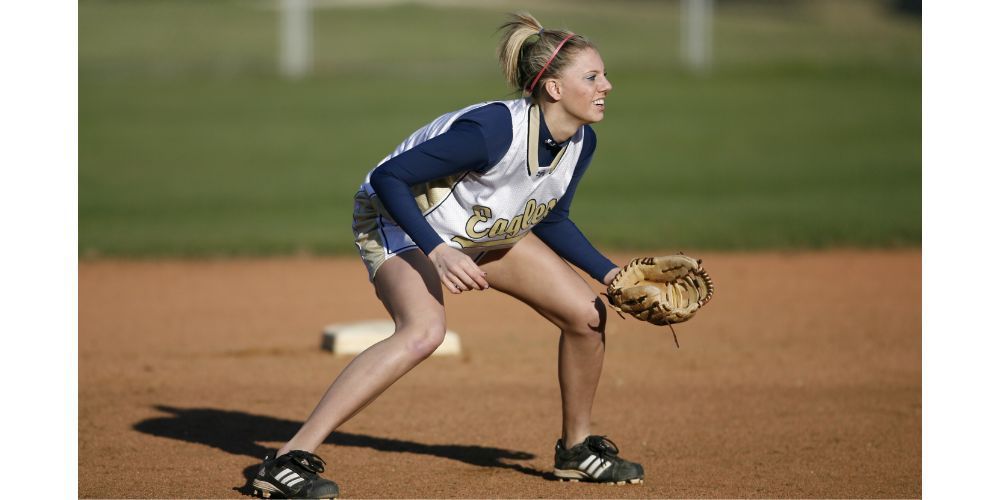
This is the most important buying factor that new shoppers often skip. Infielders (second base, shortstop, third base) do best with a smaller glove — around 12 inches — because they need to transfer the ball quickly. Outfielders need a bigger glove — 12.5 to 13 inches — for extra reach on fly balls. Pitchers typically use a glove with a closed web design, which hides the ball and grip from the batter. First basemen use a special mitt shape altogether. Match the glove to the position before anything else.
Web style — open vs. closed
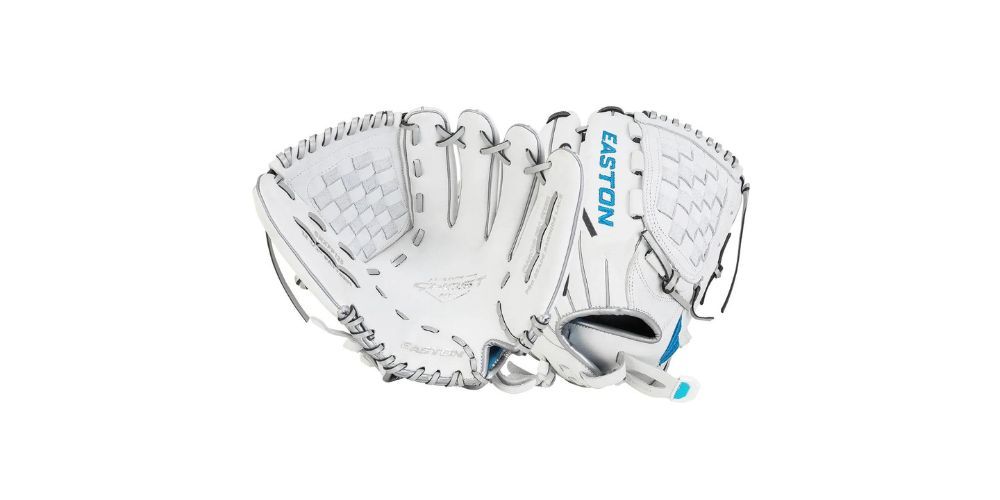
The web is the part of the glove between the thumb and fingers. An open web (with gaps) is lighter and lets dirt fall through, making it popular with infielders. A closed web (solid leather panel) gives more support and hides the ball, which is why pitchers prefer it. If your player is still figuring out their position, a modified closed web is a flexible middle ground.
Break-in time — this is real and worth knowing
New leather gloves are stiff right out of the box. This is completely normal, but it can surprise first-time buyers. Budget gloves made with softer materials tend to be game-ready faster. Higher-end leather gloves take longer to break in but mold better to the hand over time. To speed up the process, flex the glove repeatedly, use a small amount of glove conditioner, and store a ball inside the pocket with a rubber band around the glove overnight. Don't microwave it or bake it — those shortcuts can damage the leather. Plan for at least a few practice sessions before a new glove feels truly comfortable.
Material — leather vs. synthetic
Leather gloves are more durable and mold to the hand over time, but they cost more and take longer to break in. Synthetic gloves (made from faux leather or similar materials) are softer right away and usually cheaper, making them great for beginners or young players who may outgrow the glove in a season. Many budget-friendly picks use a blend of both materials, which is a practical middle ground.
Brand reputation
In softball and baseball gloves, brand reputation really does matter. Rawlings, Wilson, Mizuno, and Nokona are the names coaches and experienced players point to most often. These brands have decades of experience designing gloves for real fielders, and their quality control tends to be more consistent. You'll notice most of the picks in this guide are Rawlings — that's because they consistently show up as top sellers and trusted choices at every price point.
Our Top Picks at a Glance
| Rank | Product | Price | Rating | Best For |
|---|---|---|---|---|
| 1 | Rawlings Remix | $20.99 | Not yet rated | First-time players, beginners |
| 2 | Rawlings Player Preferred | $46.36 | Not yet rated | Rec league players, budget-conscious buyers |
| 3 | Rawlings Sure Catch | $49.95 | Not yet rated | Newer players building skills |
| 4 | Rawlings Select Pro Lite | $56.09 | Not yet rated | Committed players, competitive leagues |
| 5 | Rawlings Sandlot | $74.95 | Not yet rated | Players wanting a durable leather upgrade |
| 6 | Franklin Fastpitch Pro Series | $29.02 | Not yet rated | Budget-friendly option from a known brand |
| 7 | Rawlings RSB | $53.61 | Not yet rated | All-around recreational play |
How to choose the right fastpitch softball glove
Start with position. If your player is an infielder, look for a glove around 12 inches with an open or modified web so they can move the ball quickly. Outfielders need something in the 12.5 to 13-inch range — that extra size helps snag fly balls that would otherwise drop just out of reach. Pitchers should look for a glove with a closed web to hide their grip from batters. If your daughter hasn't settled into a position yet, a versatile 12-inch glove with a modified web is a safe, flexible starting point.
Next, measure hand size — not age. Kids and adults vary a lot, and a glove that's too big will be floppy and hard to squeeze. Wrap a soft measuring tape around the widest part of the palm (skip the thumb), and use that measurement to match sizing charts from the brand you're considering. Most brands include sizing guidance on their product pages.
Think about break-in time honestly. If your daughter's first game is next weekend and the glove arrives Thursday, you don't want something that needs three weeks of conditioning before it functions. Softer synthetic gloves and many entry-level Rawlings models are much more game-ready out of the box. If you have a full preseason before play starts, a leather glove is worth the wait. To break in any new glove faster, play catch with it as much as possible, use a little glove oil or conditioner (a thin layer goes a long way), and leave a ball stuffed in the pocket between uses.
Also think about how long the glove needs to last. If this is a first season and you're not sure your daughter will stick with the sport, a $20-$30 glove is a smart move. If she's been playing for a year and loves it, spending $50 to $75 on something more durable makes sense. And don't forget — if she's getting into the game, you may also want to check out our guide to fastpitch softball bats to complete her gear setup.
Ready to find her glove?
The best fastpitch softball glove is the one that fits the hand, matches the position, and lands in your budget — not the most expensive one on the shelf. For most beginners and first-time buyers, the Rawlings Remix is the easiest starting point. At $20.99, it's low-risk, comes from one of the most trusted names in the sport, and gets a new player on the field without overthinking it. As your player grows and commits to the game, you can always move up to something like the Sure Catch or Select Pro Lite.
We update this guide regularly based on current sales data and availability, so the picks you see here reflect what's actually resonating with buyers right now. If you have any doubt about where to start, go with the top pick — you won't regret it. Check the Rawlings Remix on Amazon and get her ready for the field.
How do I break in a new softball glove faster?
The fastest way is simply to use it — play catch as much as possible in the days before her first game. You can also apply a thin layer of glove conditioner or oil to the leather to soften it, then place a softball in the pocket and wrap the glove with a rubber band or belt overnight. Avoid baking it in the oven or microwaving it, as those methods can damage the leather. Budget gloves with synthetic materials tend to be game-ready much faster than pure leather gloves.Do fastpitch softball gloves work for slowpitch or baseball too?
Not ideally. Fastpitch softball gloves are specifically sized and shaped for the fastpitch game. Slowpitch gloves are designed for a larger, softer ball, and baseball gloves have different pocket shapes. Using the right glove for the right sport makes a real difference in how the glove performs, especially as skill level grows. If your daughter plays both fastpitch and another sport, it's worth having the right glove for each.What size fastpitch softball glove does my daughter need?
Size depends on hand circumference, not age. Measure around the widest part of her palm (not including the thumb) and compare it to the sizing chart for the glove you're considering. In general, infield gloves run about 11.5 to 12 inches and outfield gloves run 12.5 to 13 inches. When in doubt, go slightly smaller — a glove that's too big is much harder to control than one that fits snugly.
Nature's Playbook
As an Amazon Associate I earn from qualifying purchases.