Best Softball Swing Trainers: Tools That Actually Improve Your Game
Whether your daughter just signed up for her first rec league team or you're looking to sharpen your own swing between games, the right training tool can make a real difference — and you don't need a batting cage or a coach on speed dial to make progress. Softball swing trainers come in all shapes and sizes, from simple batting tees to connection balls to weighted practice balls, and this guide will help you figure out which one actually makes sense for your situation.
We put this list together by looking at sales data, search trends, and what's actually moving in the softball training space right now. You'll find options across different price points and use cases — backyard solo practice, team drills, or more structured coached sessions. The goal is simple: help you spend your money wisely on something that'll actually get used.
Not sure which bat to pair with your new trainer? We've got separate guides for fastpitch softball bats and slowpitch softball bats that are worth a look once you've nailed down your training setup.
SKLZ Impact Limited-Flight Practice Balls — These practice balls are a fantastic starting point for anyone who wants to hit at home without worrying about balls flying into the neighbor's yard. At just $24.99, they're one of the most affordable ways to get real repetitions in a small space, and they work great with a batting tee or soft toss setup.
Shop on Amazon →Why softball swing trainers are worth it
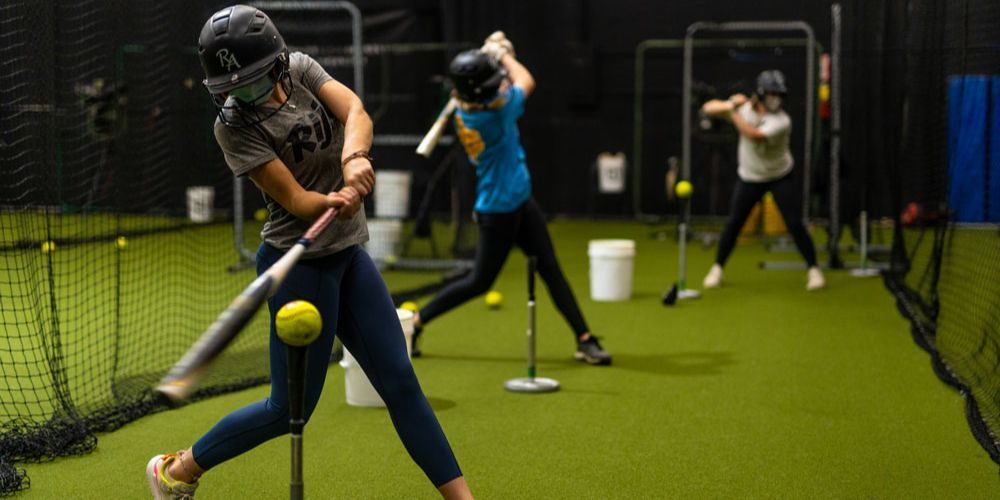
Here's the thing about getting better at hitting — it really comes down to repetition. A player who takes 50 extra swings in the backyard a few times a week is going to improve a lot faster than one who only swings during practice. Softball swing trainers and hitting aids make those extra reps possible without needing a full field, a pitching machine, or even another person to throw the ball.
For moms with kids just starting out, these tools are especially helpful because they let your daughter practice at her own pace, without the pressure of a game or a coach watching. A simple batting tee, for example, lets a beginner focus entirely on making contact and getting comfortable with her stance — no moving ball to worry about. As she gets more confident, you can layer in other tools like limited-flight balls or a swing trainer that gives feedback on her arm path.
Even if you're an adult player looking to stay sharp during the off-season, backyard hitting aids make it easy to keep your mechanics fresh. You don't need a ton of space or a big budget — just a few good tools and a little consistency. That's really what this guide is all about: finding the right tool for where you are right now.
The three tiers: budget, mid-range, and premium
We organized our picks by price because the right choice really does depend on your budget and how serious you are about training. A family just starting out doesn't need the same setup as a travel ball player grinding through the off-season.
Budget · under $35
SwingRail Hitting Trainer
$29.95
Not yet rated
The SwingRail is a wearable arm-guide trainer designed to help hitters keep their lead arm in a better position through the swing. It's a great affordable option for beginners who want some built-in feedback without spending a lot, and it works at home without any extra equipment.
Shop on AmazonBest value · $35–$50
SKLZ Impact Limited-Flight Practice Balls
$24.99
Not yet rated
These SKLZ practice balls are a smart buy for anyone who wants to hit more often without chasing balls down the street. They're designed to stay close to where you hit them, making solo backyard practice genuinely easy to set up and clean up. SKLZ is a trusted name in training gear and these are priced to be a no-brainer add-on.
Shop on AmazonPremium · $40+
PLAYAPUT Portable Batting Tee
$44.99
Not yet rated
The PLAYAPUT Portable Batting Tee steps up the experience with a design built to hold up through lots of use and travel easily to the field or backyard. If you're looking for something more durable that the whole family can use season after season, this is a solid investment that won't take up much space.
Shop on AmazonTop features to look for in softball swing trainers
Shopping for hitting aids can feel overwhelming because there are so many different types. Here's a plain-English breakdown of the most important things to consider before you buy.
Type of trainer
Softball swing training tools fall into a few main categories: batting tees (you place the ball on top and hit it), limited-flight practice balls (lightweight balls that don't travel far, great for small spaces), weighted training balls (heavier balls used to build bat speed and strength), swing mechanics trainers (wearable or handheld devices that guide your arm or body position), and hitting nets (catch-all nets that go in your backyard so you don't have to retrieve balls). Knowing which type you need is the first step — and it usually depends on what part of your game you're trying to work on.
Space requirements
Think about where you'll actually use the trainer before you buy. A batting tee and a net are a great backyard combo, but if you live in an apartment or have a small yard, limited-flight balls might be a better fit because they stay close. Some trainers are designed purely for indoor use, while others are built to go to the field with you. Check the product description for any size or space guidance before you commit.
Age and size adjustability
If you're buying for a child, look for products — especially batting tees — that have height adjustment. Kids grow fast, and a tee that works for an 8-year-old might be too short by the time she's 11. Adjustable tees give you much more mileage for your money. For adults, standard sizing is usually fine, but it's still worth confirming the tee or trainer fits your height range.
Portability and setup
Some training tools are designed to stay in the backyard, and others are meant to travel with you to practice or games. If you're a team parent or a coach, portability matters a lot. Look for tools that break down quickly, come with a bag, or are lightweight enough to toss in your trunk without hassle. The easier it is to set up, the more likely it'll actually get used.
Durability
Swing trainers take a beating — especially batting tees. Look for solid construction that can handle repeated contact. Cheaper tees sometimes have rubber tops that crack quickly or bases that tip over easily. Reading through product Q&As or looking at how long a product has been on the market can give you a sense of whether it's built to last. Brands like SKLZ have been making training gear for years and generally have good quality control.
Budget and commitment level
You don't need to spend a lot to get started. A $25 set of practice balls or a $30 swing trainer is a totally reasonable starting point, especially if you're not sure yet how much your player will stick with the sport. Save the bigger investments — like a full hitting station with a net and premium tee — for when you know she's hooked and practicing regularly.
Our Top Picks at a Glance
| Rank | Product | Price | Rating | Best For |
|---|---|---|---|---|
| 1 | SKLZ Impact Limited-Flight Practice Balls Top Pick | $24.99 | Not yet rated | Backyard solo practice, small spaces |
| 2 | SwingRail Hitting Trainer Budget Pick | $29.95 | Not yet rated | Beginners learning swing mechanics |
| 3 | PLAYAPUT Portable Batting Tee Premium Pick | $44.99 | Not yet rated | Durable home or travel tee work |
| 4 | GoSports Weighted Training Softballs | $24.99 | Not yet rated | Building bat speed and strength |
| 5 | Bandit Sports Tee Popper | $44.99 | Not yet rated | Fun tee-based hitting drills |
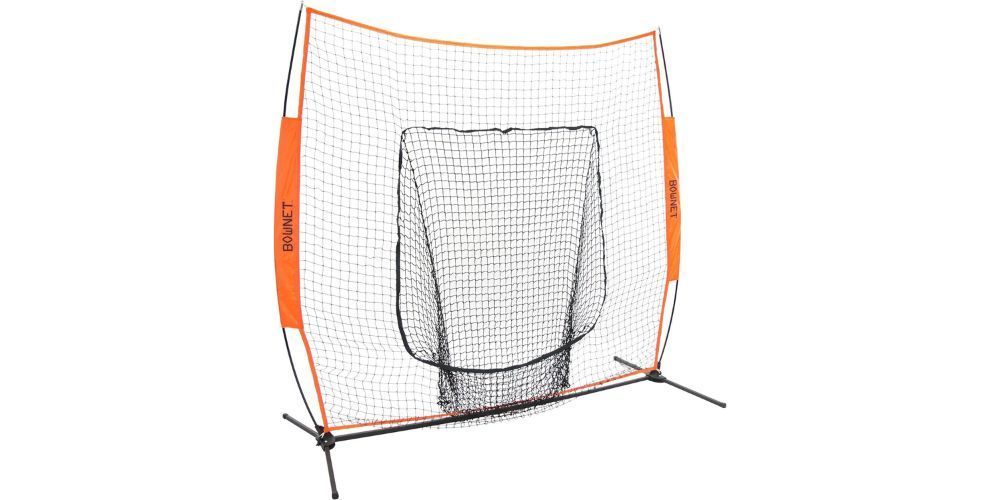
| 6 | BAGAIL Training Net | $56.99 | Not yet rated | Backyard hitting station setup |
| 7 | SKLZ Hurricane | $149.99 | Not yet rated | Serious solo training, all skill levels |
How to choose the right softball swing trainer
The best softball swing trainer is the one that matches where your player actually is right now — not where you hope she'll be in two years. Here's how to think through the decision based on your specific situation.
Solo backyard practice
If the goal is to get extra swings in at home between games, a batting tee plus a set of limited-flight balls is the most practical combo you can put together. The tee lets you work on contact and positioning, and the limited-flight balls mean you're not sprinting across the yard after every swing. The SKLZ Impact Limited-Flight Practice Balls are built exactly for this scenario. Pair them with any adjustable batting tee and you've got a solid backyard setup for under $75.
Team or group practice
Coaching a group or running drills at practice? Weighted training balls like the GoSports Weighted Training Softballs are handy because they can be used for soft toss, tee work, and partner drills without requiring a lot of equipment. A hitting net like the BAGAIL Training Net is also a great team investment — it gives players a place to hit without needing a full field setup.
Coached or more structured training
If your player is working with a coach or getting more serious about her development, a mechanical trainer like the SwingRail Hitting Trainer can add another layer of feedback. Tools like these are designed to guide the swing and help players notice habits they might not catch on their own. They work well as a complement to tee work, not a replacement for it.
Buying for a youth player
For younger players (think ages 6–12), keep it simple. A good adjustable batting tee is the single best investment you can make for a beginner. Look for something that adjusts in height so it grows with her. You can add practice balls and a net later once she's hitting consistently and enjoying it. Don't overspend on advanced gear before she's ready — a simple setup she'll actually use is worth way more than a fancy one collecting dust in the garage.
Don't forget the bat
A swing trainer is only as useful as the bat you're swinging. If you haven't figured out the bat situation yet, check out our guides on fastpitch softball bats and slowpitch softball bats — they'll walk you through exactly what to look for based on your player's age, league, and skill level.
Final thoughts
Getting better at hitting doesn't require expensive equipment or a fancy facility — it really just takes good tools and consistent practice. Whether you're picking up a $25 set of practice balls so your daughter can hit in the backyard after school, or investing in a full batting tee and net setup for the whole season, any step toward more reps is a step in the right direction. Start simple, see what gets used, and build from there.
Our top recommendation is the SKLZ Impact Limited-Flight Practice Balls — they're affordable, practical, and one of the easiest ways to make backyard hitting practice actually happen. We update this guide regularly as new products launch and rankings shift, so bookmark it and check back anytime you're ready to add to your training setup.
Do I need to buy a batting tee and practice balls, or is one enough to start?
Either one can work on its own to start. A batting tee alone is useful because you place any ball on it and hit — no extra purchase required if you already have softballs. Practice balls alone can be used for soft toss or flips with a partner. That said, the combination of a tee plus limited-flight balls is really the sweet spot for solo backyard practice, and you can put that setup together for under $70. Start with whichever feels most useful for how your player will be practicing.What's the best softball swing trainer for a beginner?
For true beginners, a simple adjustable batting tee is usually the best starting point. It lets a new player focus on making clean contact without worrying about a moving ball. Once she's comfortable with that, you can add limited-flight practice balls or a swing mechanics trainer to build on what she's learned. The SKLZ Impact Limited-Flight Practice Balls are a great first purchase because they're affordable and make backyard practice easy to set up.Can my daughter use these training tools by herself, or does she need someone to help?
Most of the tools on this list are designed for solo practice — that's actually one of their biggest selling points. A batting tee and practice balls let a player get in extra swings completely on her own, which is great for building confidence between team practices. The SwingRail Hitting Trainer is also solo-friendly since it's wearable and gives feedback as she swings. The main exception would be soft toss drills, which do require a partner to toss the ball.
Nature's Playbook
As an Amazon Associate I earn from qualifying purchases.