
Best Slowpitch Softball Bats: Top Picks for Rec Leagues and Tournaments
Whether you just signed up for a co-ed rec league or you're picking up a bat for the first time in years, finding the right slowpitch softball bat doesn't have to be complicated. This guide breaks down the best options available right now — from budget-friendly picks under $40 to step-up bats worth splurging on — so you can feel confident before you step up to the plate.
We pulled together these rankings using a mix of Amazon sales data, buyer search trends, and bestseller rankings. Every bat on this list comes from trusted brands that recreational and league players actually buy. You don't need to be a gear expert to use this guide — we'll explain everything in plain English along the way.
Not sure what ASA or USSSA means? Wondering whether end-loaded or balanced is right for you? We've got you covered in the buying tips section below. And if you're shopping for slowpitch slowpitch gloves too, we have a separate guide for that. Let's find your bat.
Easton Hammer — A solid, well-rounded bat from one of softball's most trusted brands, priced at just $59.99. It's a great starting point for recreational players who want reliable quality without overthinking it.
Shop on Amazon →Why your bat choice actually matters in slowpitch
Slowpitch softball might look low-key from the sideline, but your bat can make a real difference in how fun the game feels. The right bat makes contact easier, reduces hand sting on off-center hits, and just feels better to swing — which matters a lot when you're playing a doubleheader on a Saturday morning.
A lot of first-time buyers grab whatever's on sale or borrow a teammate's bat, and that's totally fine to start. But if you're joining a regular league — especially a women's league, co-ed league, or senior league — it's worth knowing a few basics. Different leagues require different approval stamps on your bat (more on that below), and things like grip size and swing weight can make a surprising difference in how comfortable the bat feels after 20 swings.
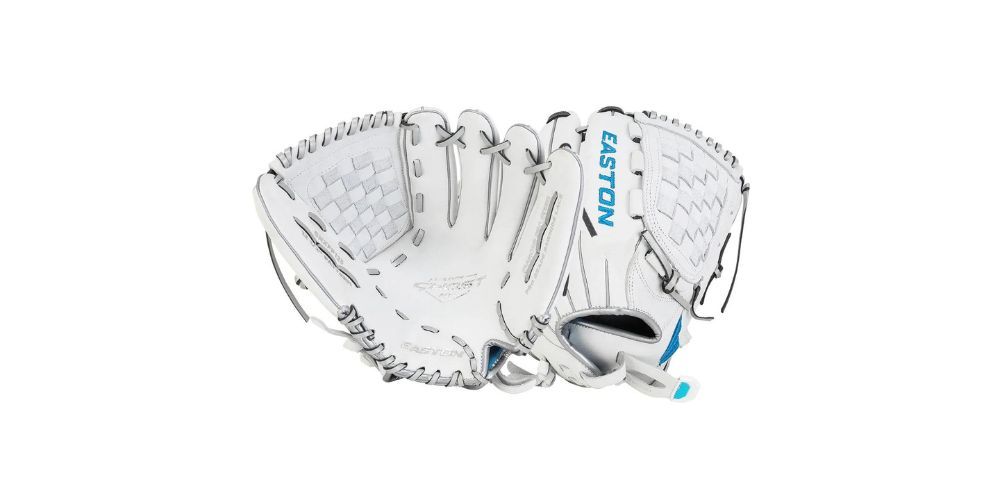
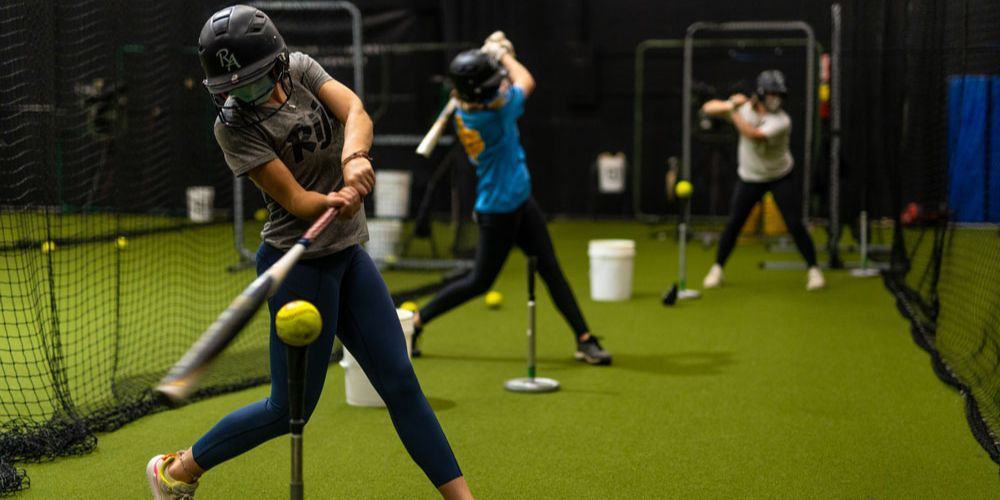
The good news: you don't need to spend a lot to get a good bat. Several of our top picks are under $60, and they'll hold up just fine for recreational play. If you're also working on your swing mechanics, pairing a new bat with a batting trainer can help you build consistency faster.
The three tiers: budget, mid-range, and premium
We organized our picks by price because the right bat really does depend on your budget and how serious you are about the game. Someone playing two games a summer has different needs than someone on a competitive rec league team.
Budget · under $40
Easton Cyclone
$36.64
Not yet rated
The Easton Cyclone is one of the most affordable bats on our list, and it comes from a brand players trust. It's a solid choice if you're just getting started or playing casually and don't want to spend a lot. Easy to recommend for first-timers who want a name-brand bat without the price tag.
Shop on AmazonBest value · $50–$65
Easton Hammer
$59.99
Not yet rated
The Easton Hammer hits the sweet spot of price and performance for most recreational players. It's our overall top pick for a reason — it's approachable, well-made, and priced fairly for what you get. If you're only buying one bat this season, this is a great place to land.
Shop on AmazonPremium · $70+
Easton Moxie
$69.99
Not yet rated
The Easton Moxie is designed with women players in mind and sits at the top of our price range. If you're playing regularly and want a bat that feels a little more dialed-in, this one is worth considering. It's still from Easton, so you know you're getting a quality product.
Shop on AmazonTop features to look for in a slowpitch softball bat
Before you buy, here are the key things to understand. You don't need to memorize all of this — just skim the features that seem relevant to your situation.
Approval stamp: ASA/USA vs. USSSA
This is the most important thing to check before buying. Most recreational and co-ed leagues use either ASA (now called USA Softball) or USSSA certification standards. If your bat doesn't have the right stamp, the league might not let you use it. Check with your league coordinator before purchasing — it's usually listed on their website or you can just shoot them a quick text. The bat listing on Amazon will typically say which certification it carries.
Balanced vs. end-loaded swing weight
A balanced bat has its weight spread evenly throughout. This makes it easier to control and is great for beginners or players who prioritize contact over power. An end-loaded bat has extra weight toward the end of the barrel, which can add pop to your hits if you have a strong swing — but it's harder to control. If you're new to slowpitch or not sure which you are, start with a balanced bat. You can always upgrade later.
Barrel material: aluminum vs. composite
Most of the bats on this list are aluminum (also called alloy), which means they're ready to hit right out of the wrapper — no break-in period needed. Composite bats can sometimes offer a different feel but often require hundreds of swings before they perform at their best. For recreational players, aluminum is usually the easier, more practical choice.
Length and weight
Slowpitch bats typically run from 34 to 34 inches long. The right length depends on your height and comfort, but most adult women do well with a 34-inch bat. Weight (called the drop) affects how heavy the bat feels when you swing. Lighter bats are easier to swing fast; heavier bats can hit harder if you have the strength for it. When in doubt, pick up a few at a sporting goods store and see what feels right.
Grip size and comfort
This matters more than most people realize. A grip that's too thick or too thin can make your hands uncomfortable after a few innings. Women's bats are often designed with slightly smaller grip circumferences, which can make a real difference in comfort. Look for bats marketed specifically for women if grip feel is a priority for you.
Our Top Picks at a Glance
| Rank | Product | Price | Rating | Best For |
|---|---|---|---|---|
| 1 | Easton Hammer | $59.99 | Not yet rated | Best overall for rec leagues |
| 2 | Easton Cyclone | $36.64 | Not yet rated | Best budget pick |
| 3 | Easton Ghost Youth | $59.99 | Not yet rated | Younger or smaller players |
| 4 | Easton Moxie | $69.99 | Not yet rated | Women looking for a premium bat |
| 5 | Easton Pink Sapphire | $30.66 | Not yet rated | Low-cost entry-level option |
| 6 | Easton Topaz | $69.99 | Not yet rated | Women wanting a premium feel |
| 7 | Miken Chaos | $99.99 | Not yet rated | Competitive players wanting more |
How to choose the right slowpitch softball bat
There are a few simple questions you can ask yourself before clicking buy. Answering them honestly will point you to the right bat faster than any spec sheet.
What does your league require? Start here. Ask your league coordinator whether they use ASA/USA Softball or USSSA rules. Some recreational leagues are more lenient, but many strictly enforce approval stamps. Don't buy a bat until you know which certification you need — it's a quick question that can save you a headache later.
How often will you actually play? If you're playing once a month at a company picnic, you don't need to spend $100 on a bat. The Easton Cyclone at under $40 will do the job just fine. If you're playing weekly in a regular league and taking it seriously, something like the Easton Hammer or Easton Moxie makes more sense as a longer-term investment.
Do you want balanced or end-loaded? We covered this above, but here's the short version: beginners and contact hitters should go balanced. Power hitters with a consistent swing might prefer end-loaded. When in doubt, balanced is the safer choice — it's more forgiving.
Are you shopping specifically as a woman player? Some bats on this list, like the Easton Moxie, Easton Topaz, and Easton Pink Sapphire, are designed with women players in mind. They may feature grip sizes and swing weights that are more comfortable for a wider range of women. If you've swung a bat before and found it felt awkward or heavy, look for one of these models.
Senior leagues: If you're playing in a senior slowpitch league (typically 50+ or 55+ divisions), check whether your league has specific senior bat requirements. Some use a different approved bat list. Your league rulebook or coordinator can confirm this quickly.
Ready to find your bat?
You really can't go wrong with any bat on this list — they're all from reputable brands and all designed for recreational slowpitch play. If you're still not sure where to start, just go with our top pick, the Easton Hammer. At $59.99 it's priced fairly, it comes from one of the most trusted names in softball, and it's a solid all-around choice whether you're brand new to the game or coming back after a long break.
We update this guide regularly as new products release and sales rankings shift, so you can bookmark it and check back anytime. And if you're still building out your gear kit, don't forget to check out our guides on slowpitch gloves and batting trainers — both can make a real difference in how confident you feel on the field. Good luck out there!
Shop the Easton Hammer on Amazon →
What does 'end-loaded' mean and should I get one?
An end-loaded bat has extra weight concentrated near the end of the barrel, while a balanced bat spreads the weight more evenly. End-loaded bats can add power to your swing if you already have a strong, consistent swing — but they're harder to control. Balanced bats are easier for most recreational players, especially beginners, because they're more forgiving on off-center hits. If you're not sure which you are, start with a balanced bat. You can always try an end-loaded option after you've built up your swing.What's the difference between ASA and USSSA bats, and does it matter for my league?
Yes, it matters quite a bit. ASA (now officially called USA Softball) and USSSA are the two main governing bodies for recreational and competitive softball in the U.S., and each has its own list of approved bats. Using a bat that isn't approved by your league's governing body can get you disqualified from a game. Before you buy, check with your league coordinator or look at your league's rulebook — it will tell you exactly which certification to look for. It only takes a minute to ask and can save you from buying the wrong bat.Are there bats specifically made for women, and are they worth it?
Yes, several manufacturers make bats designed specifically for women players, and they can be worth it depending on your preferences. Women's bats sometimes feature slightly smaller grip circumferences, which can make the bat more comfortable to hold, especially during a long game. Bats like the Easton Moxie, Easton Topaz, and Easton Pink Sapphire are marketed toward women and may feel more natural for players who've found standard bats awkward or uncomfortable. That said, many women play just fine with any well-fitted bat — it comes down to personal comfort.
Nature's Playbook


As an Amazon Associate I earn from qualifying purchases.