
Best Fastpitch Softball Bats: Top Picks for Every Age and League
Whether your daughter just signed up for her first rec league team or she's been playing for a few seasons and needs an upgrade, finding the right fastpitch softball bat can feel a little overwhelming. There are so many brands, sizes, and price points — and then there's all that approval-stamp stuff that nobody explains clearly. Don't worry. That's exactly what this guide is here for.
We put together this list of the best fastpitch softball bats based on Amazon sales data, search trends, and overall buyer popularity — no insider jargon required. We've organized everything by price tier and player type, so you can quickly find what makes sense for your situation. Whether you're shopping for a beginner just learning to swing or a travel ball player looking to step up her game, we've got a pick for you.
We also cover the stuff that trips up first-time buyers — like what ASA/USA, USSSA, and NSA stamps actually mean, how to pick the right bat length, and when it's worth spending a little more. Let's make this easy.
Rawlings REMIX — At under $35, the Rawlings REMIX is the easiest yes on this list. It's a solid, no-fuss fastpitch bat that's great for beginners and recreational players who want a trusted brand name without spending a fortune. If your daughter is just getting started and you're not sure how serious she'll get about the sport, this is a smart first bat.
Shop on Amazon →Why the right bat actually matters
Here's the thing — a bat that's too heavy, too long, or the wrong certification for your league can cause real problems. A bat that's too heavy makes it harder to swing with control, which can slow down a player's development. And if you show up to a game with a bat that doesn't have the right approval stamp for your league, it might not be allowed on the field at all. That's a frustrating situation nobody wants.
Fastpitch softball is a fast-moving sport (the name says it all), and players need a bat that feels comfortable and responsive in their hands. For younger or newer players especially, starting with the right-sized bat can make the learning curve a lot gentler. A well-fitting bat helps build confidence at the plate — and that matters just as much as any technical spec.
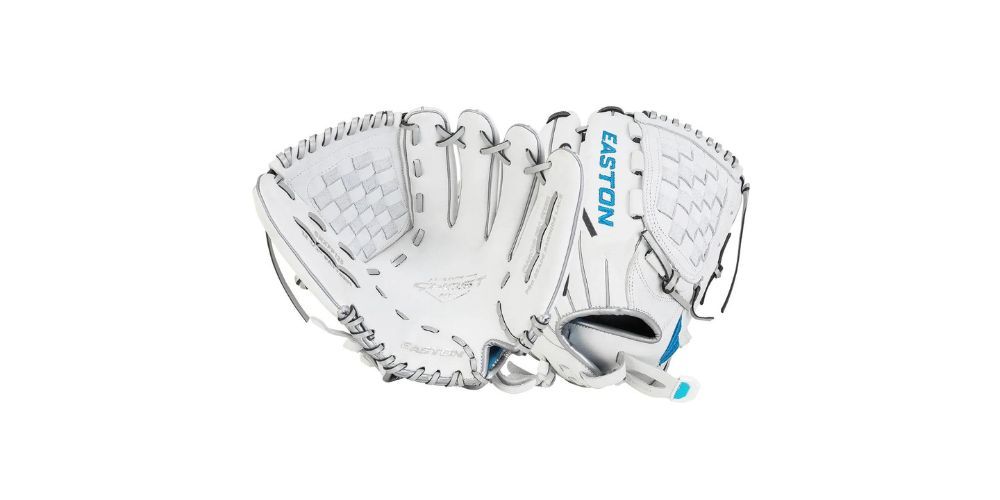
The good news? You don't have to spend a ton to get a good bat. The options on this list range from around $30 to $115, and even the budget picks come from brands like Rawlings and Easton that have been making softball gear for decades. If you're also looking to build out your daughter's gear kit, check out our guide to fastpitch gloves once you've found your bat.
The three tiers: budget, mid-range, and premium
We organized these picks by price because the right bat really does depend on how serious your player is and how much you want to invest right now. A rec league beginner and a travel ball regular have very different needs — and budgets.
Budget · under $40
Rawlings Batting Practice
$37.50
Not yet rated
A no-frills option from a trusted brand, the Rawlings Batting Practice bat is a great pick for backyard practice sessions or players just getting introduced to the sport. It's affordable enough that you won't stress if it gets a few scuffs. Solid choice if you're buying a bat for practice reps rather than game-day use.
Shop on AmazonBest value · $35–$50
Easton MOXIE
$39.99
Not yet rated
The Easton MOXIE hits a really sweet spot between price and quality. It's from Easton — one of the most recognized names in softball — and it's priced accessibly enough for families who want a reliable bat without going overboard. A great choice for recreational players who are starting to play regularly and want something a step above a pure beginner bat.
Shop on AmazonPremium · $40+
Easton Pink Sapphire
$44.99
Not yet rated
The Easton Pink Sapphire is a fan-favorite among younger players and parents alike — partly because of its fun look, and partly because Easton builds it with quality in mind. It's a step up in terms of finish and feel, and it's a great choice for a player who's committed to the sport and wants a bat she'll actually be excited to use. Works well for rec and entry-level travel ball.
Shop on AmazonTop features to look for in a fastpitch softball bat
Before you click 'add to cart,' here are the things that actually matter when choosing a fastpitch bat. None of this requires a degree in sports science — promise.
Approval stamps (this is the big one)
This is the number-one thing that confuses first-time bat buyers, so let's clear it up. Fastpitch softball leagues use different certification standards, and your bat needs to be approved for the league your player is in. The three main stamps you'll see are: ASA/USA Softball(the most common for recreational and school leagues), USSSA(common in travel ball and competitive leagues), and NSA(National Softball Association — less common but still used in some areas). Always check with your league coordinator before buying. If you're not sure, ASA/USA-approved bats are the safest default for most beginners.
Bat length
Bat length is measured in inches, and getting it right makes a real difference in comfort and swing control. As a general guide: players ages 6–8 typically use a 25–27 inch bat; ages 9–10 use a 27–28 inch bat; ages 11–12 move up to 28–30 inches; and teens 13 and up often use 30–33 inches depending on height and strength. When in doubt, a bat that's slightly shorter is easier to control than one that's too long.
Drop weight (the number with the minus sign)
You'll see something like '-10' or '-12' on bat listings. This is called the 'drop' and it tells you how much lighter the bat is compared to its length. A -12 bat is lighter (easier to swing) than a -10 bat of the same length. Younger and smaller players generally do better with a higher drop number (lighter bat). If your daughter is 10 and under, look for -12 or -13 drop bats.
One-piece vs. two-piece construction
One-piece bats are made from a single piece of material — they're simpler, more durable, and usually less expensive. Two-piece bats have a separate barrel and handle connected together, which can feel different on contact. For beginners, a one-piece bat is perfectly fine and often the better starting point.
Barrel material
Most bats at these price points are made from aluminum alloy, which is lightweight, durable, and great for beginners. More expensive bats may use composite materials, which some players prefer as they advance. For rec league and youth play, aluminum is an excellent choice.
Grip and handle comfort
A comfortable grip helps players feel in control of the bat. Most bats come with a cushioned grip already installed, which is totally fine for beginners. If the grip wears down over time, it can be replaced with grip tape — a cheap and easy fix.
Our Top Picks at a Glance
| Rank | Product | Price | Rating | Best For |
|---|---|---|---|---|
| 1 | Rawlings REMIX | $30.99 | Not yet rated | Best overall beginner bat |
| 2 | Easton MOXIE | $39.99 | Not yet rated | Best mid-range pick |
| 3 | Easton Pink Sapphire | $44.99 | Not yet rated | Best premium youth pick |
| 4 | Rawlings Official USA Pro Leather Dream Seam | $112.99 | Not yet rated | Best high-end option |
| 5 | Easton Ghost Youth | $59.99 | Not yet rated | Best for growing travel players |
| 6 | Rawlings Batting Practice | $37.50 | Not yet rated | Best for practice sessions |
| 7 | Easton CYCLONE | $34.73 | Not yet rated | Best budget Easton option |
How to choose the right fastpitch softball bat
Okay, so you've looked at the options and you're still not 100% sure which bat is right for your player. Here's a simple decision framework to help you narrow it down.
Step 1: Check your league's rules first
Before anything else, find out which certification stamp your league requires. Call your league coordinator or check the league's website. Most recreational youth leagues use ASA/USA Softball-approved bats. Travel ball leagues often require USSSA-approved bats. This step is non-negotiable — buying the wrong stamp means the bat can't be used in games.
Step 2: Choose the right length using the age chart
Here's a quick reference guide to help you find the right bat length by age:
| Age | Recommended Bat Length | Suggested Drop |
|---|---|---|
| 6–8 | 25–27 inches | -13 to -12 |
| 9–10 | 27–28 inches | -12 to -11 |
| 11–12 | 28–30 inches | -11 to -10 |
| 13+ | 30–33 inches | -10 to -9 |
Step 3: Match the bat to the level of play
Recreational league players: Keep it simple and affordable. The Rawlings REMIX or Easton MOXIE are ideal here. You don't need to spend a lot for rec league, especially if your player is still figuring out if she loves the sport. If she's working on her swing at home too, pair the bat with a softball swing trainer to build good habits early.
Travel ball players: Travel ball is more competitive, and players tend to practice more often. A mid-range to premium bat like the Easton Pink Sapphire or Easton Ghost Youth might be worth the investment. Make sure to confirm the USSSA stamp requirement with your travel team coach.
Step 4: Think about how often she'll play
If your daughter plays once a week in a casual rec league, there's no reason to spend $100+ on a bat. But if she's at practice three times a week and playing weekend tournaments, a more durable or higher-quality bat might actually save you money in the long run. Buy to match the commitment level — it's that simple.
Ready to find her perfect bat?
Picking a fastpitch softball bat doesn't have to be stressful. Start with your league's certification requirement, match the length to her age and size, and choose a price point that fits how serious she is about the sport right now. Most beginners do great with an affordable, trusted-brand bat — and the Rawlings REMIX is our top recommendation for exactly that reason. It's under $35, it comes from a brand with a long reputation in softball, and it's a solid starting point for any young player.
We update this guide regularly as new products come out and rankings shift, so bookmark this page and check back if you're shopping again next season. And if you found this helpful, take a peek at our top pick on Amazon — it might be just what you're looking for. Good luck out there, and have fun at the games!
Is it okay to buy a cheaper bat for my daughter's first season?
Absolutely. Most experienced softball parents will tell you that a beginner bat from a trusted brand is perfectly fine for the first season or two. Kids grow quickly, skill levels change, and you may not know yet how serious she'll get about the sport. Starting with an affordable bat like the Rawlings REMIX or Rawlings Batting Practice is a smart move — you can always upgrade to something more advanced once she's older and more committed.How do I know what bat length to buy for my daughter?
Bat length is based on age and size. As a general guide: ages 6-8 typically use 25-27 inch bats, ages 9-10 use 27-28 inches, ages 11-12 use 28-30 inches, and teens 13 and up generally use 30-33 inches. If you're between sizes, go shorter — a bat that's easier to swing and control is better for developing players than one that's too long. Some sporting goods stores will let you test a bat length in person if you're unsure.What does ASA, USSSA, or NSA mean on a softball bat, and which one do I need?
These are certification stamps that tell you which leagues the bat is approved for. ASA (now called USA Softball) is the most common and is used by most recreational and school leagues. USSSA is common in travel ball and more competitive leagues. NSA is less common but used in some adult and youth leagues. The safest move is to ask your league coordinator which stamp they require before buying — if you're not sure, go with ASA/USA first since it covers the most leagues.
Nature's Playbook
As an Amazon Associate I earn from qualifying purchases.