Best Mountain Biking Socks: Durable Picks for Trail Riders
If you're getting into mountain biking — or helping a kid or teen get started — you might not think much about socks. But the right pair can make a real difference on the trail. MTB socks are cut taller than regular athletic socks, which helps protect your ankles from brush, rocks, and shoe rub. This guide breaks down the best mountain biking socks available right now, organized by price so you can find the right fit for your budget and how often you ride.
Whether you're hitting a local trail on weekends or building up to longer rides, we've got options for every level. Our rankings are based on sales data, buyer ratings, and search trends — not sponsored picks. We update this guide regularly so you're always seeing current information.
Not sure what to look for? Don't worry — we explain everything in plain English below. By the end, you'll know exactly what to grab.
PUMA Low Cut Running — If you're just getting started with running or outdoor activities, these PUMA Low Cut Running shoes are a great place to begin — and at just $26.31, they won't stress your wallet while you find your stride.
Shop on Amazon →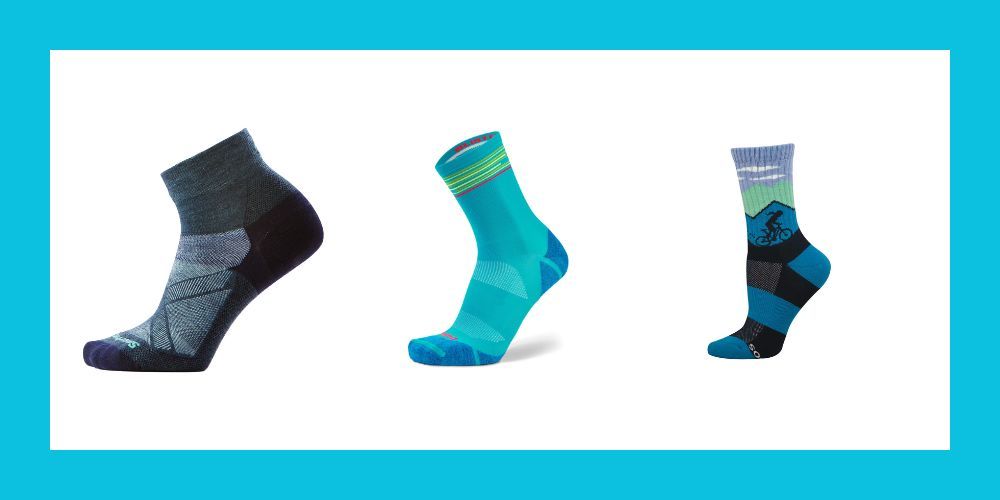
Why your socks actually matter on the trail
It sounds like a small thing, but your socks are what sit between your foot and your shoe all ride long. On a trail, that means rubbing, sweating, and sometimes getting hit by low branches or rocky debris. Regular ankle socks leave a gap between your shoe and your shin guard or knee pad — and that gap can turn into a blister zone fast. MTB socks are cut taller (usually crew height, which is roughly 6–8 inches up your leg) to fill that gap and give you a more comfortable, protected ride.
For beginners especially, comfort matters a lot. If your feet are hot, sweaty, or rubbing inside your shoes, you're going to cut your ride short — and that's no fun. A good pair of trail socks helps you stay focused on the ride instead of your feet. And if you're buying for a daughter who's just starting out, this is one of those small upgrades that makes the sport feel a lot more enjoyable right away.
The good news? You don't need to spend a lot. Even budget-friendly options in this guide are designed to hold up on the trail. The main choices come down to how tall you want the sock and whether you want merino wool (great for temperature control) or synthetic fabric (usually more affordable and quick-drying).
Amazon Essentials Athletic Ankle Cushioned
A solid no-fuss option if you just want comfy ankle socks without spending much. Great for everyday workouts and casual wear!
Check Price on AmazonAiracker Athletic Quarter
A sweet spot for your money! Quarter-length socks that work great for sports and outdoor activity — a little more coverage, a little more love for your feet.
Check Price on AmazonPUMA Half Terry Runner
Step it up with PUMA's Half Terry Runner — a trusted brand bringing that extra cushioning and comfort for your runs and nature adventures. Worth every cent!
Check Price on AmazonTop features to look for in mountain biking socks
MTB socks aren't complicated — but a few details make a big difference. Here's what to pay attention to when you're shopping.
Sock height
This is the biggest thing to get right. Ankle socks (the kind that barely peek above your shoe) are fine for the gym, but on a mountain bike trail they leave your lower leg exposed to brush, shoe rub, and debris. Crew height socks — which come up roughly 6 to 8 inches above your ankle — are the sweet spot for most MTB riders. They give you coverage without going all the way up to the knee. Some riders prefer knee-high socks for extra protection, especially on rougher trails, but crew is where most people land. If you're just starting out, go crew.
Material: merino wool vs. synthetic
You'll see two main fabric types: merino wool and synthetic (usually polyester or nylon blends). Merino wool — which is a soft, fine type of wool — is great at regulating temperature, so your feet stay comfortable whether it's warm or a bit cool out. It also tends to resist odor well. The trade-off is that merino socks usually cost a bit more. Synthetic socks dry faster after sweaty rides and are usually more affordable. Either works well — it's mostly about your budget and preference.
Cushioning
Some socks have extra padding built into the heel and ball of the foot (called cushioned or terry socks). This adds a little shock absorption on bumpy terrain and can help prevent blisters during longer rides. If you're just riding short local trails, light cushioning is probably fine. If you're planning longer rides or know your feet tend to blister, look for something with more padding.
Fit and stretch
A good MTB sock should stay up on your leg without sliding down mid-ride. Look for socks with a snug (but not tight) fit and some elastic in the cuff to hold them in place. Most brands size their socks by shoe size, so check the size chart before buying — especially if you're ordering for a child or teen.
Durability
Socks take a beating on the trail. Look for reinforced heels and toes, which wear out fastest. Some premium brands like Darn Tough (a name that comes up constantly in MTB reviews) even offer a lifetime guarantee — meaning if the sock wears out, they replace it. That's worth knowing if you ride a lot and go through socks quickly.
Our Top Picks at a Glance
| Rank | Product | Price | Rating | Best For |
|---|---|---|---|---|
| 1 | PUMA Low Cut Running | $14.00 | Not yet rated | Best overall starter sock |
| 2 | Amazon Essentials Athletic Ankle Cushioned | $11.50 | Not yet rated | Best budget buy |
| 3 | PUMA Half Terry Runner | $16.55 | Not yet rated | Best cushioned option |
| 4 | Franklin Superlight Soccer Shin Guards | $11.99 | Not yet rated | Budget trail protection |
| 5 | BIOAUM Athletic Quarter | $19.99 | Not yet rated | Athletic quarter-height rides |
| 6 | Hanes X-Temp Lightweight Crew | $19.78 | Not yet rated | Warm-weather crew option |
| 7 | Airacker Athletic Quarter | $14.99 | Not yet rated | Best mid-range value |
How to choose the right mountain biking socks
Picking the right MTB sock doesn't have to be complicated. Here's a simple way to think through it.
Start with height. If you're brand new to mountain biking, go with a crew-height sock (roughly 6–8 inches tall). That's the most popular choice among trail riders because it covers the ankle and lower leg without feeling bulky. Ankle socks work fine on smooth, groomed trails, but crew socks are more versatile. Knee-high socks are mostly for aggressive riders who want maximum coverage — fun to wear, but not necessary for beginners.
Think about how often you'll ride. If you're just getting out once or twice a month, a budget pair is perfectly fine. If you're riding every week or planning to do longer trail sessions, it might be worth spending a little more on cushioning or a more durable fabric. Brands like Darn Tough and Swiftwick come up constantly in MTB reviews specifically because they hold up longer — something to keep in mind if you end up loving the sport and riding more often.
Consider the weather. Merino wool socks are great for rides in cooler temperatures or if you tend to run cold. Lightweight synthetic socks are better for hot summer days when you want something breathable and fast-drying. Many riders keep a few pairs of each on hand.
Buying for a kid or teen? Check the size chart carefully — most brands size by shoe size, and the fit really does matter for comfort. A sock that bunches or slides down is going to be distracting on the trail. Crew-height socks work well for younger riders too, especially for any trails with underbrush.
One pair or a few? If you're just testing the waters, start with one pair in your size. If you find one you love, buying two or three at once usually saves money and means you're never scrambling on laundry day before a ride.
Ready to hit the trail?
Mountain biking socks are one of the simplest gear upgrades you can make — and one that actually makes a difference on the trail. Whether you grab a budget-friendly pair to get started or invest in something with a bit more cushion, the most important thing is getting out there and enjoying the ride. Our top pick, the PUMA Low Cut Running, is a great starting point at just $14 — simple, affordable, and easy to order today.
We update this guide regularly as new products come in and rankings shift, so bookmark this page and check back anytime. And if you're building out the rest of your MTB kit, explore the rest of our biking gear guides on Sports & Nature Gear for more beginner-friendly picks.
Can my daughter use the same socks for mountain biking and school sports?
Absolutely — many athletic socks double up just fine for everyday sports and trail riding. The main thing to watch is sock height. A crew-height MTB sock might feel a little tall for some sports, but it works great for trail riding specifically. If she's doing both, having a dedicated pair for biking helps them last longer since trail riding can be rougher on fabric than most gym sports.What height should mountain biking socks be?
Crew height — roughly 6 to 8 inches above the ankle — is the most popular choice for mountain biking. That height covers your ankle and lower shin, which protects against brush, rocks, and shoe rub on the trail. Ankle socks work on smooth, easy trails, but crew is the go-to for most MTB riders. Knee-high socks are an option too, but mostly for more aggressive terrain.Are merino wool socks worth it for mountain biking?
They can be, especially if you ride in varying temperatures or tend to get sweaty feet. Merino wool regulates temperature well and resists odor better than most synthetic fabrics. The trade-off is price — merino socks usually cost a bit more. If budget is a concern, a good synthetic sock will still get the job done, especially for casual or warm-weather riding.
Nature's Playbook

As an Amazon Associate I earn from qualifying purchases.