
Best Mountain Biking Helmets: MIPS-Equipped Picks for Every Budget
If you're getting into mountain biking — or helping your daughter gear up for her first trail ride — the helmet is the one piece of equipment you really can't skip or skimp on. But with so many options out there, it's hard to know where to start. This guide breaks it all down in plain English, so you can feel confident picking the right helmet without needing to be a gear expert.
We ranked these helmets based on a combination of Amazon sales data, buyer ratings, and search trends — real signals of what's actually working for real riders. You'll find picks at every price point, from budget-friendly starters to more feature-rich options for riders who are getting serious. Every helmet on this list includes MIPS technology (more on that in a moment), because we believe that's a baseline you shouldn't compromise on, no matter your budget.
Whether you're shopping for yourself, your daughter, or both of you, this guide will help you understand what actually matters in a mountain bike helmet, what the buzzwords mean, and which helmet is the best fit for your situation. Let's get into it.
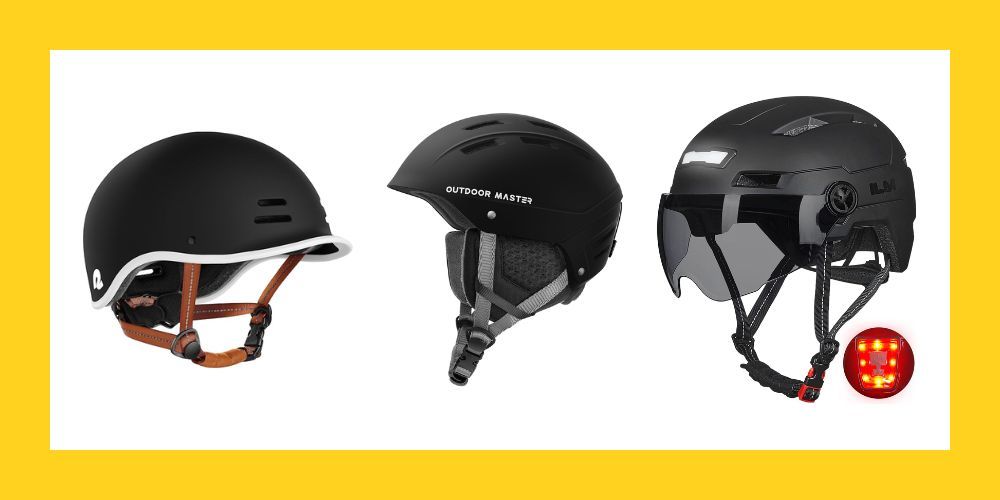
Retrospec Lennon — A solid, well-rounded mountain bike helmet at just $39.99, the Retrospec Lennon is a great fit for beginners and casual trail riders who want reliable protection without overspending. It hits the sweet spot of value, style, and safety features that matter most for getting started on the trails.
Shop on Amazon →
Why your mountain bike helmet is the most important gear decision you'll make
Mountain biking is a blast — fresh air, great exercise, and a real sense of adventure. But trails aren't like bike paths. Roots, rocks, unexpected drops, and tight turns are all part of the experience. That's exactly why the right helmet isn't just a nice-to-have. It's the thing standing between a great day out and a really bad one.
Here's something that surprises a lot of new riders: not all helmets protect the same way. Standard helmets are built to absorb direct impact. But a lot of real-world crashes involve a twisting or angled hit — the kind where your head rotates on impact. That's where MIPS comes in. MIPS stands for Multi-directional Impact Protection System. It's a thin slip-plane layer inside the helmet that allows the helmet shell to rotate slightly on impact, which can help reduce the rotational forces on your head during certain types of crashes. You'll see MIPS called out on helmet listings — it's become a standard feature in quality helmets, and Virginia Tech's independent helmet safety ratings consistently rank MIPS-equipped helmets higher. Every helmet in this guide includes MIPS because we think it's worth having at every price point.
Beyond safety tech, mountain bike helmets are also designed differently than road or casual bike helmets. Trail riding helmets tend to have more coverage around the back of the head, better ventilation for those long climbs, and snug-but-comfortable fits that stay put when things get rough. If you're shopping for a woman or girl, there are also helmets designed with ponytail ports — a small but genuinely useful feature that lets you wear your hair up without the helmet sitting awkwardly. Once you've tried it, it's hard to go back. All of this is worth thinking about before you click buy.
The three tiers: budget, mid-range, and premium
The right helmet really does depend on how often you plan to ride and how much you want to invest upfront. If you're just testing the waters, a budget pick makes total sense — but if trail riding becomes a regular weekend thing, you'll be glad you spent a little more.
Budget · under $35
Retrospec Remi
$32.99
Not yet rated
The Retrospec Remi is a straightforward entry point for new riders who want solid protection without a big upfront investment. It keeps things simple and gets you on the trail safely. A great pick if you're buying for a kid or a first-timer who isn't sure how committed they'll be.
Shop on AmazonBest value · $33–$45
OutdoorMaster Kelvin
$33.99
Not yet rated
OutdoorMaster has built a real reputation on Amazon for helmets that punch well above their price. The Kelvin is a well-reviewed option that offers more refined fit and ventilation than basic budget picks. If you want a helmet that feels like it cost more than it did, this is a strong contender.
Shop on AmazonPremium · $55+
ILM E3-10L
$59.99
Not yet rated
The ILM E3-10L steps up the features for riders who are on the trails regularly and want more from their helmet. At $59.99 it's still very reasonable compared to pro-level gear, and it's built for riders who want a more purposeful, trail-ready experience. A good choice if you know you'll be riding often.
Shop on AmazonTop features to look for in a mountain bike helmet
Not sure what all the terms on the product listing mean? Here's a plain-English breakdown of the features that actually matter when you're choosing a mountain bike helmet.
MIPS (Multi-directional Impact Protection System)
We mentioned this above, but it's worth repeating because it's the most important safety feature to look for. MIPS is a thin slip-plane layer inside the helmet that allows the outer shell to move slightly on impact. The idea is to help reduce the rotational forces that can occur in angled or twisting crashes — the kind that happen a lot on trails. Virginia Tech, which does independent helmet safety testing, consistently gives MIPS-equipped helmets higher scores. Every helmet in this guide has MIPS. If you're ever shopping outside this list, don't buy a mountain bike helmet without it.
Trail vs. enduro fit
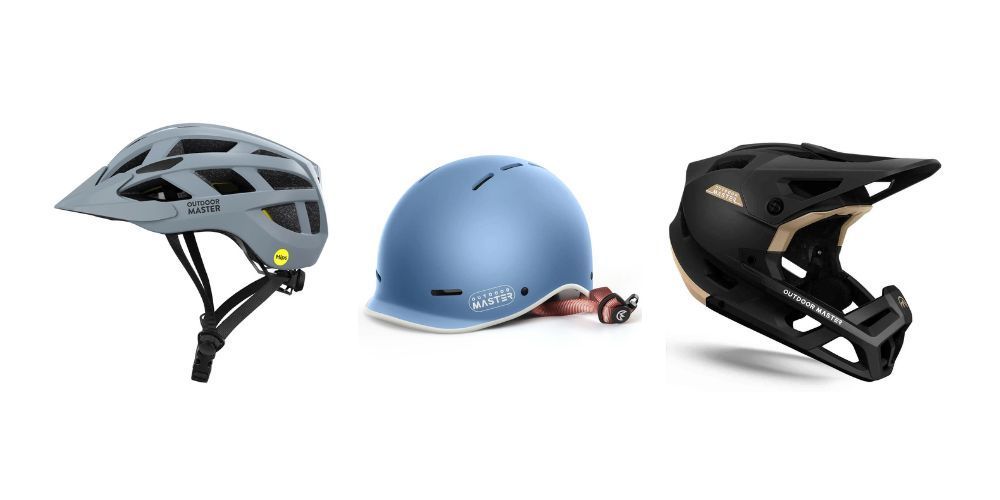
This trips up a lot of beginners. Trail helmets are the most common type — they look like a rounded, extended bike helmet with good coverage around the back of your head. They're lighter and have more airflow, which is great for long rides on moderate terrain. Enduro helmets are burlier — they have even more coverage, sometimes a visor and more protection around the sides and back, and are built for more aggressive, technical riding. If you're just getting started on local trails or beginner paths, a trail-style helmet is the right call. Enduro is for when you're hitting serious downhill terrain.
Fit system and adjustability
A helmet that doesn't fit right won't protect you the way it should — and it'll be uncomfortable enough that you'll be tempted to leave it at home. Look for a dial-fit or retention system at the back of the helmet. This is usually a small knob you can twist to tighten or loosen the fit around your head. It lets you dial in the fit precisely, which matters a lot on bumpy trails where the helmet needs to stay put.
Ventilation
Mountain biking gets sweaty, especially on climbs. More vents mean more airflow, which helps keep your head cooler. If you live somewhere warm or plan to do longer rides, pay attention to how many vents a helmet has. Budget helmets sometimes sacrifice ventilation to keep costs down, but mid-range and premium picks usually do a better job here.
Ponytail port
This is a genuine women's differentiator that's worth calling out. Many women and girls wear their hair in a ponytail when they ride, and a standard helmet can feel awkward or uncomfortable when you're wearing your hair up — the ponytail gets squished or pushed the helmet forward on your head. Several helmets now include a ponytail port, which is an opening at the back of the helmet that lets your ponytail come through naturally. If you or your daughter wears a ponytail, look for this feature specifically. It's a small thing that makes a real difference on longer rides.
Weight
Heavier helmets can cause neck fatigue on longer rides. Most trail helmets in the budget-to-mid-range category are reasonably light, but premium helmets often use lighter materials that make a noticeable difference on longer outings. If you're planning long days in the saddle, this is worth considering.
Visor
Many mountain bike helmets come with a visor — the small brim at the front. It helps block sun and keeps mud or debris from flying into your eyes on the trail. Some visors are fixed, others are adjustable. Not a dealbreaker either way, but it's a nice-to-have for trail riding.
Our top picks at a glance
| Rank | Product | Price | Rating | Best For |
|---|---|---|---|---|
| 1 | Retrospec Lennon | $39.99 | Not yet rated | Best overall for beginners |
| 2 | OutdoorMaster Kelvin | $33.99 | Not yet rated | Best mid-range value |
| 3 | Retrospec Remi | $32.99 | Not yet rated | Best budget starter |
| 4 | ILM E3-10L | $59.99 | Not yet rated | Best for frequent trail riders |
| 5 | OUWOER Kids Bike Helmet | $33.99 | Not yet rated | Best for kids and young riders |
| 6 | Schwinn Thrasher | $31.99 | Not yet rated | Best for brand-conscious families |
| 7 | findway Pro | $31.99 | Not yet rated | Best lightweight budget option |
| 8 | Triple Eight Certified Sweatsaver | $44.29 | Not yet rated | Best for multi-sport use |
How to choose the right mountain bike helmet for you
Buying a mountain bike helmet online is pretty straightforward once you know what to look for. Here's a quick guide to making sure you get the right one the first time.
Start with MIPS — always
As we mentioned earlier, MIPS is the safety feature that matters most in a mountain bike helmet. All eight helmets on this list include it. If you wander off this list while shopping, make sure any helmet you're considering has MIPS. Virginia Tech publishes independent helmet safety ratings and MIPS helmets consistently rank higher. It's not worth saving $10 to skip it.
Measure your head before you buy
Helmet sizing isn't one-size-fits-all. Most helmets come in small, medium, and large, and brands publish size charts based on head circumference. Grab a soft measuring tape, wrap it around the widest part of your head (about an inch above your eyebrows), and check the brand's size chart before ordering. Most adult women fall in the medium range, but it varies. Getting the size right matters — a helmet that's too big can shift around on a bumpy trail, and one that's too small will be uncomfortable fast.
Think about how you'll wear your hair
If you or your daughter wears a ponytail while riding, look specifically for helmets that include a ponytail port. This is a rear opening that lets your hair come through without pushing the helmet up or creating an uncomfortable pressure point. Several helmets now offer this feature, and riders who use it say it makes a noticeable difference on longer rides. It's a genuinely useful differentiator for women's mountain bike helmets — not just a marketing feature.
Match the helmet to the riding style
For beginners and casual trail riders, a standard trail helmet is the right call. These are lighter, more ventilated, and comfortable for moderate terrain. You don't need an enduro helmet (the more aggressive, fuller-coverage style) unless you're regularly riding technical downhill trails. Enduro helmets are great for serious riders but overkill — and heavier — for most people just getting into mountain biking. When in doubt, go trail-style.
Budget honestly
The good news is you don't have to spend a lot to get solid protection. The helmets on this list start under $33 and every single one includes MIPS. That said, mid-range picks like the OutdoorMaster Kelvin tend to offer noticeably better fit systems and ventilation than the most budget options. If you're planning to ride regularly, spending an extra $10-15 to move up a tier usually pays off in comfort. And if you're buying for a child, remember they'll likely need a new helmet as they grow — so budget picks make even more sense there.
Don't skip on fit adjustment
Look for a helmet with a dial-fit retention system at the back. This small dial lets you fine-tune the fit so the helmet sits snugly without being tight. It's especially useful for kids whose heads are still growing, or for anyone buying online who can't try before they buy. Most helmets at every price point in this guide include some version of this feature.
Ready to ride? Here's the bottom line
Mountain biking is one of the most rewarding outdoor activities you can get into, and it's a fantastic thing to share with your kids. The gear doesn't have to be complicated or expensive — but the helmet is the one place you really do want to make a thoughtful choice. Every pick on this list includes MIPS protection, comes in at a reasonable price, and is suited to riders who are getting started on trails. If you're not sure where to begin, the Retrospec Lennon at $39.99 is our top pick for a reason — it hits the right balance of safety features, value, and broad appeal for beginner and casual trail riders alike.
Whether you go with our top pick or another helmet on this list, you'll be making a solid choice. The most important thing is getting out there and riding safely. This guide is updated regularly as new products enter the market and sales data shifts, so bookmark it and check back if you're planning a future purchase. Happy trails!
What's the difference between a trail helmet and an enduro helmet?
Trail helmets are the most common type for everyday riders. They're lighter, more ventilated, and designed for moderate terrain — think forest paths, beginner to intermediate trails, and general recreational riding. Enduro helmets are bulkier and offer more coverage around the sides and back of the head. They're built for aggressive, technical downhill riding where falls are more likely and more severe. If you're just getting started, a trail-style helmet is the right call. You don't need enduro protection until you're regularly hitting serious downhill terrain.Do I really need a MIPS helmet for mountain biking, or is it just a marketing thing?
MIPS is genuinely worth having, not just a buzzword. It stands for Multi-directional Impact Protection System, and it adds a thin slip-plane layer inside the helmet that can help reduce rotational forces during certain types of crashes — the angled hits that happen often on trails. Virginia Tech, which does independent helmet safety testing, consistently ranks MIPS helmets higher than non-MIPS helmets. Every helmet on our list includes it, and we recommend not buying a mountain bike helmet without it at any price.Are there mountain bike helmets that work for women with long hair or a ponytail?
Yes, and it's worth looking for specifically. Several mountain bike helmets now include a ponytail port — an opening at the back of the helmet that lets your hair come through naturally. Without it, wearing your hair up in a ponytail can push the helmet forward or create uncomfortable pressure at the back. If you or your daughter typically rides with a ponytail, check the product listing for this feature before buying. It's a small thing that makes a real difference on longer rides.
Nature's Playbook
As an Amazon Associate I earn from qualifying purchases.