
Paddling Kentucky: Calm Lakes, Winding Rivers, and the Best Spots to Get on the Water
Start with the Clifty Falls Paddle Trail near Olive Hill if you want something manageable and well-loved. It's a 3.7-mile out-and-back route, easy by most measures, and it has 186 reviews on AllTrails, which tells you folks keep coming back and keep recommending it. That kind of consistent word-of-mouth means the route is reliable and the experience holds up. For a first time on the water, this is a confident choice.
Dewey Lake at Jenny Wiley State Park in eastern Kentucky is another spot worth knowing. It's a calm lake setting, the kind where the surface can look like glass on a still morning, and the park itself adds hiking and other reasons to stay the whole weekend. Keep in mind that Dewey Lake can freeze or turn slushy in winter, so late fall and winter paddles depend on the year. Spring through fall is your best window.
Floyds Fork near Fisherville is a 19.0-mile point-to-point paddle trail, and it's rated moderate. That length is a commitment, so go in knowing you're planning a full day on the water. It's a moving-water route, which means a different rhythm than a lake and a little more reading of the current as you go. Folks who've done it tend to log it as a highlight paddle in the state.
The Upper Green River's Upstream Run rounds things out for those who want landscape variety in a single trip. The route passes through farmland, steep wooded hills, sandbars, and brush islands, so the scenery shifts around you as you paddle. A detailed canoeing map is available through Recreation.gov, which makes route planning straightforward. It's the kind of river that rewards a slow pace.
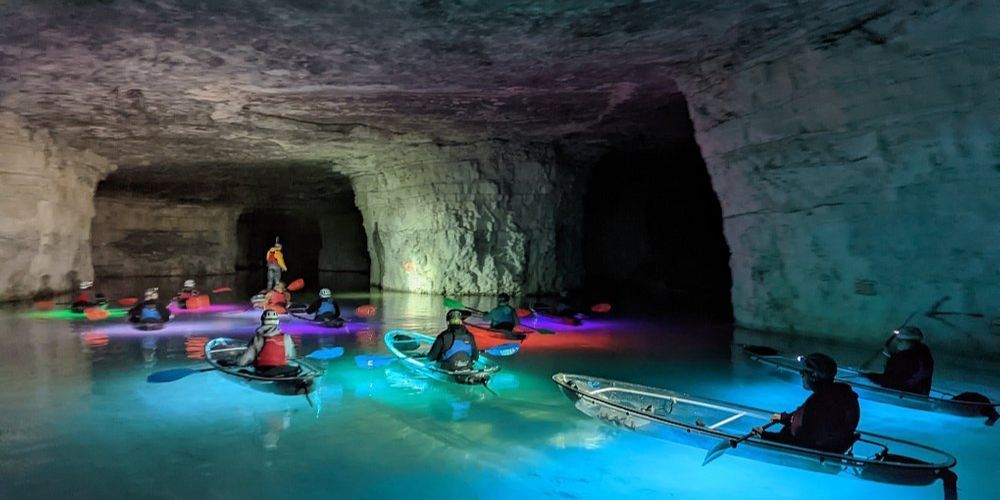
Where Kentucky Paddlers Actually Put In
Spring and fall are the sweet spots for paddling in Kentucky. Temperatures are comfortable, water levels on moving rivers tend to be more predictable, and the crowds at popular put-ins are manageable. Fall in particular brings color to the tree lines along routes like the Upper Green River, which makes the whole trip feel like more than just a workout.
Summer works well on flatwater like Dewey Lake and the Nolin River Lake area, especially for morning paddles before the heat settles in. If you're planning a trip with kids, earlier start times make a real difference in comfort. Afternoons in July and August can be warm enough to make the water feel like a reward rather than a backdrop.
Winter is the one season to watch carefully. Dewey Lake has been known to ice over, with conditions shifting from frozen to clear within just a few days depending on the weather. If you're planning a late winter or early spring trip to Jenny Wiley State Park, check conditions close to your departure date. A quick call to the park saves a wasted drive.
Flatwater or Moving Water: Knowing What You're Getting Into
Kentucky gives you both, and they feel completely different on the water. Flatwater like Dewey Lake at Jenny Wiley State Park is forgiving and calm. You set the pace, there's no current pulling you along or pushing you sideways, and if you stop paddling you just drift. For anyone new to kayaking, flatwater is where you want to start. It gives you time to get comfortable before you add variables.
Moving water like Floyds Fork and the Upper Green River asks more of you. You're working with the current, reading the water ahead, and making adjustments as conditions change. The Floyds Fork route is 19.0 miles and rated moderate, which means it's manageable but not casual. Give yourself honest credit for your fitness level and experience before committing to a full-day point-to-point.
The Nolin River near Dog Creek offers something in between. It flows gently enough to feel scenic rather than technical, and having boat ramps at Nolin River Lake makes the logistics easier. Part of the route moves through Mammoth Cave National Park, which changes the whole feel of the paddle. You're not just on a river. You're moving through a landscape with real geological and cultural weight beneath it.
Paddling Through History on the Nolin River
Mammoth Cave National Park is a UNESCO World Heritage Site, and the fact that part of the Nolin River paddling route near Dog Creek runs through it is not a small thing. This is one of the longest known cave systems in the world, and the park above it has been drawing visitors and researchers for well over a century. Paddling through that corridor puts you in a landscape that people have been moving through, studying, and marveling at for generations.
The Dog Creek area at Nolin River Lake offers access to this stretch, with boat ramps available to get you on the water without complicated logistics. The river section through the national park adds a layer to the trip that you don't get on most paddle routes. It's scenic in the way that places with real history tend to be, a little quieter, a little more weighted.
If you're planning this route, pull up the park's site before you go to confirm any current access or permit details for paddling within national park boundaries. Rules can change seasonally, and going in prepared means you spend your time on the water instead of sorting out logistics at the put-in.
Gear Tips for Paddling Kentucky's Lakes and Rivers
Kentucky's paddling season runs long, but the conditions shift enough between spring and summer that what you pack matters. On flatwater lakes like Dewey Lake, a basic recreational kayak works well. You don't need something built for whitewater or long-distance touring. What you do need is a properly fitted personal flotation device, worn and buckled, every single time you're on the water.
For a longer moving-water route like the 19.0-mile Floyds Fork trail, think about what you'll need for a full day out. Water, snacks, sun protection, and a dry bag for anything you can't afford to get wet. A paddle leash is a small investment that saves real frustration if you flip or set your paddle down at the wrong moment. Waterproof shoes or sandals with a heel strap keep you from losing footwear at the put-in.
Kentucky summers are humid, and that matters for how you dress. Light, quick-dry fabrics keep you comfortable whether you're on the water or waiting at the takeout. For early spring and fall paddles, layer up and consider a splash jacket. The water temperature in those shoulder seasons can be cooler than the air temperature suggests, and staying warm makes the trip more enjoyable from start to finish.
Essential Gear for Kentucky

Athmile Women's Barefoot Water Shoes for Kayaking
List of Services
-
Camping in Kentucky Find Kentucky's best campgrounds for women, beginners, and families. Cave trails, lake sites, and forest camps await. Start planning your trip today.Camping in Kentucky
-
Cycling in Kentucky Discover Kentucky's top cycling trails for beginners and families. Find the best routes, gear tips, and planning advice. Start your ride today.Cycling in Kentucky
-
Hiking in Kentucky Find Kentucky's best hiking trails for beginners and families. Real details on top spots, gear, and when to go. Start planning your trip today.Hiking in Kentucky
-
Kayaking in Kentucky Find Kentucky's best kayaking spots, seasonal tips, and gear advice for women and families. Start planning your paddle trip today.Kayaking in Kentucky