Best Women's Soccer Cleats: Choices for Every Field Type
October 31, 2025
Hey, if you're new to soccer or just want gear that feels right without overwhelming choices, finding women's cleats tailored to your field can change everything. I've slipped on wet grass more times than I'd like to admit with mismatched shoes, but the right pair keeps you steady and comfy. This guide breaks it down simply, focusing on women's options that boost grip, reduce injuries, and fit beginner budgets—let's get you sorted for any surface.

Why You Need This Gear
Soccer's all about quick moves and staying upright, especially as a beginner when you're still building skills. The wrong cleats on a muddy field? You're sliding everywhere, risking twists or falls that could bench you. Good women's cleats match the surface—whether dry grass or slick turf—giving better traction, support, and cushion to prevent blisters or strains. I remember my first proper pair; it made practices way more fun and less frustrating. For women enthusiasts, they're key for enjoying outdoor play without the hassle.
Top Features to Look For in Soccer Cleats
Start with stud type: conical for easy twists on dry fields, bladed for speed, or rubber nubs for turf to avoid snags. Breathable uppers like mesh keep feet cool during long games, while cushioned insoles absorb shocks—super helpful if you're prone to foot fatigue. Fit matters too; look for women's-specific designs that accommodate narrower heels and wider toes. Lightweight materials help with speed, but durable outsoles last through seasons. And don't forget ankle support—low-cut for agility or mid-cut for stability.
Firm Ground Cleats for Women
Firm ground (FG) cleats are your go-to for dry or slightly damp natural grass, where the studs dig just enough for solid grip without getting stuck. They're versatile for most outdoor games, offering balance during sprints and turns. As a beginner, these help build confidence on even surfaces—think community leagues or park pickups.
List of Services
-
Budget Option: LEOCI Women's Firm Ground Soccer CleatsList Item 1
At around $30-40, these are a steal for starters. Synthetic uppers are lightweight and easy to clean, with molded conical studs that provide reliable traction on dry grass. Great for wide feet, and the cushioned insole cuts down on blisters during practice. Best for casual players; not super durable for daily use, but perfect entry-level.
-
Mid-Range Option: New Balance Women's 442 Team FG V2 Soccer ShoeList Item 2
For $80-100, this underrated pick shines with its leather upper that molds to your foot over time. Conical studs offer steady grip on firm grass, and the padded collar adds comfort for longer sessions. Lesser-known brand, but women love the wider fit—ideal for midfielders who pivot a lot. Holds up well in light rain too.
-
Premium Option: Under Armour Women's Magnetico Elite 4 FG Soccer CleatsList Item 3
Pushing $200+, these are precision machines with UA Clone technology for a customized fit and strategic studs for superior traction. The 3D print enhances ball control on dry fields—ideal for strikers needing quick bursts. Worth it for competitive play; the adaptive design feels like an upgrade.
Soft Ground Cleats for Women
Soft ground (SG) cleats tackle wet, muddy fields with longer, often metal studs that penetrate deep for no-slip stability. They're a lifesaver in rainy seasons, preventing those embarrassing slides. Beginners might not need them often, but if your local pitch turns sloppy after storms, these keep you in the game safely.
List of Services
-
Budget Option: Vizari Women's Valencia SG Soccer CleatsList Item 1
Under $50, these from a lesser-known brand deliver with adjustable metal studs and a soft synthetic upper. Grips muddy grass well without feeling heavy—great for occasional wet games. Comfy lining reduces irritation; best for defenders who need firm footing.
-
Mid-Range Option: Puma Women's Future 7 Match FG/AG Soccer CleatsList Item 2
Around $100-150, these adapt to soft conditions with longer studs and a customizable lacing system for a secure fit. Breathable mesh keeps feet dry in the mud, and the textured upper improves control. Versatile for mixed fields; women appreciate the supportive mid-cut design.
-
Premium Option: Adidas Women's Predator Accuracy+ SGList Item 3
At $200+, this powerhouse has metal studs for deep penetration and a grippy upper for precise shots in slop. Cushioning absorbs impacts on uneven wet ground—ideal for aggressive play. Premium feel lasts seasons; perfect if you're serious about outdoor soccer.
Artificial Turf Cleats for Women
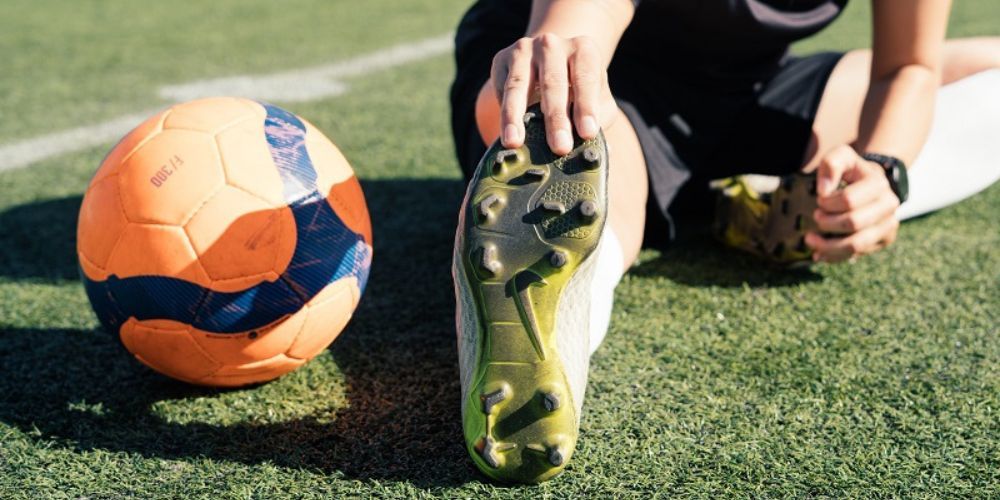
Artificial turf (AG or TF) cleats use shorter rubber studs to maximize contact on synthetic surfaces without damaging them or causing slips. They're essential for indoor-outdoor hybrids or community turfs, offering quick maneuvers. As a beginner, these reduce joint stress on hard fake grass—great for urban players.
List of Services
-
Budget Option: Adidas Women's Goletto IX Turf Soccer ShoesList Item 1
$40-60 range, unisex but fits women well with rubber nubs for even grip. Lightweight and durable for turf games; padded insole eases long practices. Budget-friendly intro to synthetic fields.
-
Mid-Range Option: New Balance Women's Tekela V3 Turf Soccer ShoeList Item 2
$80-120, this lesser-known option has multi-directional studs and a breathable upper for agility on turf. Wide fit suits many; cushioning prevents fatigue. Solid for wingers needing speed.
-
Premium Option: Nike Women's Phantom GX 2 Elite AGList Item 3
Over $200, with cyclone studs for superior turf traction and a grippy Flyknit upper. Lightweight for fast cuts; premium padding protects joints. Top choice for competitive turf leagues.
Indoor Soccer Shoes for Women
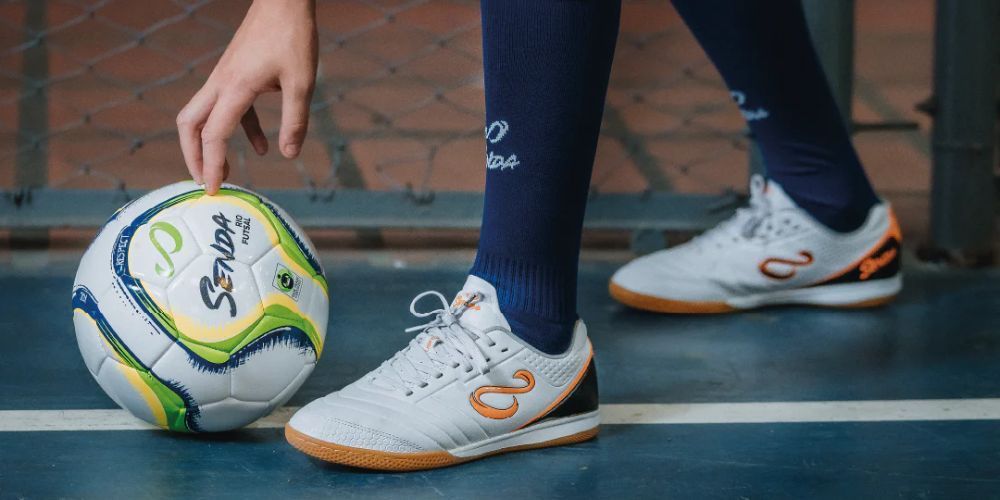
Indoor shoes ditch studs for flat rubber soles, perfect for gym floors or futsal courts to enable rapid moves without marks. They're comfy for casual indoor sessions, focusing on grip and flexibility. Beginners love them for low-pressure games indoors.
List of Services
-
Budget Option: Kelme Women's Indoor Soccer ShoesList Item 1
$30-50, with non-marking soles and cushioned interiors for smooth indoor play. Breathable and lightweight; great starter for futsal.
-
Mid-Range Option: Adidas Women's Samba Indoor Soccer ShoesList Item 2
$80-100, classic leather with gum rubber outsole for excellent indoor traction. Iconic style meets comfort; fits wide feet well.
-
Premium Option: Puma Women's Future Ultimate Indoor Soccer ShoesList Item 3
$150+, adaptive upper and grippy sole for elite indoor control. Cushioning boosts speed; premium for serious futsal players.
How to Choose
Assess your main field—FG for grass, SG for mud, AG for turf, indoor for courts. Try sizes; women's cleats often run small, so half-up if needed. Consider position: forwards pick light, defenders sturdy. Read Amazon reviews for fit tips, and test at home. Clean after use to maintain grip—simple soap works. Budget? Start low, upgrade as you play more.
Final Thoughts
Women's soccer cleats aren't just shoes; they're your foundation for fun, safe play. I started with basics and wished I'd matched fields sooner—it cut slips and boosted enjoyment. Pick what fits your spots, and you'll feel the difference quick.
What’s the difference between turf and grass soccer cleats?
Soccer cleats designed for turf fields have shorter, denser studs to provide better traction on the firm surface without digging in. These studs are typically made of rubber or plastic and are arranged to help with grip and stability on artificial turf. Grass cleats, on the other hand, have longer studs that are often metal-tipped or plastic to penetrate the natural ground. This helps players maintain balance and prevent slipping on wet or uneven grass fields. Choosing the right cleat is crucial for performance and preventing injury.
Can I wear turf cleats on grass or vice versa?
While you technically can wear turf cleats on grass and grass cleats on turf, it’s not recommended. Turf cleats on grass won’t provide the necessary grip, especially on wet or soft fields, making it easier to slip. Grass cleats on turf fields can be uncomfortable and may even damage the turf due to the long studs. To perform your best and maintain safety, it’s best to match your cleats to the field type you’re playing on.
What are hybrid soccer cleats, and should I consider them?
Hybrid soccer cleats are designed to work on both natural grass and turf fields, offering a compromise between the two types of surfaces. These cleats typically have a mixed stud pattern, with a combination of shorter and longer studs to provide adequate grip on both surfaces. They’re a good option if you frequently switch between field types but may not offer the same specialized performance as cleats designed specifically for turf or grass. If you’re playing on one type of field most of the time, it’s still better to choose cleats tailored to that surface.
Are there any universal soccer cleats that work well on multiple field types?
While there are cleats marketed as "multi-ground" or "versatile," claiming suitability for various surfaces, they often compromise performance on specific fields. For instance, according to a study by Soccer Gear Review in 2022, players using specialized cleats for grass noted a 20% increase in traction compared to multi-ground options, which can lead to muddled performance. Therefore, for optimal play, it’s recommended to select cleats tailored to the predominant field type you’ll be playing on most frequently.
How do turf shoes differ from traditional soccer cleats in terms of design and function?
Turf shoes feature a flatter, more rubberized outsole with small, closely spaced studs designed to provide grip on artificial turf surfaces, while traditional soccer cleats boast longer, conical or bladed studs for optimal traction on natural grass. This design distinction helps prevent slipping on synthetic fields and reduces the risk of injuries associated with uneven traction; in fact, studies show that mismatched footwear can lead to up to a 30% increase in ankle injuries on turf. Essentially, choosing the right pair ensures enhanced performance and safety, ensuring your footwork is as sharp as your wit!
What specific features should players look for in cleats designed for firm ground vs. soft ground?
When choosing cleats for firm ground (FG), players should look for shorter, conical studs that offer stability and agility on hard surfaces, promoting quick acceleration—ideal for dry pitches. In contrast, soft ground (SG) cleats have longer, replaceable studs to provide better traction in muddy conditions, reducing the risk of slippage. Studies show that using the right cleat type can enhance performance by up to 15%, as they facilitate proper weight distribution and grip according to field conditions. Prioritizing these features ensures players maximize their potential while minimizing injury risks.
How does the choice of cleat affect a player’s performance during a game?
The choice of cleat significantly impacts a player's performance by enhancing traction, stability, and comfort on the field. For instance, firm-ground cleats designed for natural grass provide optimal grip and prevent slipping, which can improve acceleration by up to 20%, while turf shoes with shorter, smaller studs help in making quick cuts and pivots on synthetic surfaces. Wearing the incorrect type of cleat can lead to reduced agility and increase the risk of injuries, underscoring the importance of selecting the right footwear tailored to the field type.
What are the common mistakes players make when selecting soccer cleats for different field conditions?
Common mistakes players make when selecting soccer cleats include choosing the wrong stud configuration for the specific field type and ignoring the importance of fit. For instance, many players opt for firm ground (FG) cleats on turf fields, which can lead to reduced traction and increased risk of injury due to inadequate grip; studies show that improper footwear is linked to 30% of sports injuries. Additionally, neglecting to consider weather conditions can result in poor performance—wet grass may require longer studs for optimal footing. Ultimately, matching the cleat type to field conditions is crucial for both safety and performance.
Check out the latest guides on soccer