Best Women's Mountain Biking Shoes: Flat Pedal and Clipless Picks
If you're getting into mountain biking — or helping your daughter get started — one of the first questions that comes up is: do I need special shoes? The short answer is yes, and the good news is you don't have to spend a lot to get something that works great. The right pair of shoes can make your ride more comfortable, safer, and honestly a lot more fun.
This guide is written for women who are newer to mountain biking and want real, practical advice without a lot of confusing gear-speak. We cover the best women's mountain biking shoes across different price points, explain the difference between flat pedal and clipless shoes (spoiler: most beginners should start with flat pedal), and help you figure out which option fits your riding style and budget. Our picks are based on sales data, buyer ratings, and search trends — so you're seeing what real riders are actually buying and loving.
Whether you're hitting easy trails on weekends or just want something more than your regular sneakers, there's a great option here for you. Let's dig in.
Incrediwear Ankle Sleeve — At just $45, this is a smart add-on for any mountain biker dealing with ankle fatigue or soreness on longer rides. It's not a shoe, but it pairs perfectly with your MTB footwear to keep you comfortable and supported on the trail.
Shop on Amazon →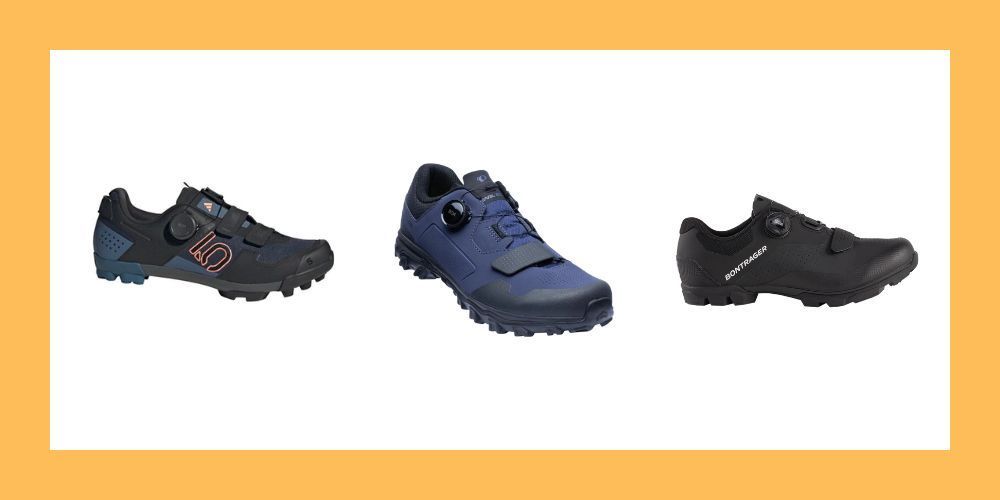
Why your shoes (and foot comfort) matter on the trail
Most beginners don't think much about footwear before their first ride — you lace up whatever sneakers you have and head out. That works for a quick spin around the neighborhood, but once you're on actual trails with roots, rocks, and uneven terrain, your feet take a beating. The right shoes (and the right support underneath them) make a huge difference in how long you can ride and how much you enjoy it.
Mountain biking shoes are designed to grip your pedals, protect your feet, and give you stable footing when you have to hop off and walk a tricky section. Unlike road cycling shoes, most women's MTB shoes look and feel close to a regular sneaker — you can walk into a coffee shop after a ride without looking like you just clomped in from space. That walkability is a big deal, especially for beginners who are still figuring out how technical their trails are going to be.
And beyond the shoes themselves, things like ankle support matter more than people realize. If you're riding multiple days in a row, or pushing through longer weekend sessions, ankle fatigue can sneak up on you. That's where something like a supportive ankle sleeve comes in — it's a simple, affordable way to keep discomfort from cutting your ride short. Whether you're brand new to MTB or helping a teenager get started, building a comfortable kit from the ground up pays off fast.
The three tiers: budget, mid-range, and premium
The right pick really does come down to how much you're riding and what you're willing to spend. If you're just testing the waters, a budget option makes total sense — but if you're already clocking miles every weekend, it's worth investing a little more in comfort and durability.
Budget · under $50
Kyedoo Road Bike Cycling Shoes
$46.09
Not yet rated
A wallet-friendly entry point for anyone just getting started with cycling shoes. The Kyedoo is a road-style shoe at a beginner-friendly price, so it's great if you want to try out the concept without a big commitment. Good for casual riders who are curious about purpose-built cycling footwear.
Shop on AmazonBest value · $45–$55
Incrediwear Ankle Sleeve
$45.00
Not yet rated
The Incrediwear Ankle Sleeve is the best-value addition to your MTB kit if ankle comfort is on your radar. At $45 it's an easy yes for riders who log regular trail miles and want to take care of their feet and ankles without spending big. Pairs well with any MTB shoe you already own or are shopping for.
Shop on AmazonPremium · $75+
Peloton Cycling Shoes
$79.98
Not yet rated
The Peloton Cycling Shoes step up the build quality for riders who are more serious about their cycling setup. At $79.98 they're a premium choice for those who want a polished, durable shoe and don't mind paying a bit more for it. Best suited to riders who are committed to regular riding and want gear that keeps up.
Shop on AmazonTop features to look for in women's mountain biking shoes
Shopping for MTB shoes can feel overwhelming when you're staring at a wall of options. Here's a plain-English breakdown of what actually matters — and what you can skip worrying about as a beginner.
Flat pedal vs. clipless — start here
This is the most important decision you'll make. Flat pedal shoes look like regular sneakers with a grippy rubber sole — they sit on top of your pedals and you can take your feet off instantly. Clipless shoes (despite the confusing name) actually clip into special pedals with a small locking mechanism, kind of like ski bindings. Beginners should almost always start with flat pedal shoes. They're much easier to use, you can walk in them comfortably, and you won't have that panicky moment of trying to unclip before you tip over. Once you've got your trail confidence built up, clipless is a great upgrade — the Shimano GR7W is a popular women's-specific option when you're ready to make that jump. But don't rush it.
Sole stiffness and grip
MTB shoes have soles that range from slightly flexible to very stiff. For flat pedal riding, you want a sole with good rubber grip — something like the Five Ten Freerider is famous for its sticky rubber that grabs the pedal pins and keeps your feet planted even on rough terrain. Stiffer soles transfer pedaling power more efficiently, which matters more once you're riding harder or longer distances. As a beginner, prioritize grip over stiffness.
Fit and walkability
Unlike road cycling shoes that are basically unwalkonable, most MTB shoes are designed so you can hike a rocky section or walk back to the trailhead if you need to. Look for a recessed cleat area (if you go clipless) so the shoe sits flat when you walk. For flat pedal shoes, this is automatic — they walk just like a normal athletic shoe. Make sure there's a little wiggle room in the toe box, especially if your feet swell on long rides.
Closure system
Most MTB shoes use laces, velcro straps, or a dial (BOA) closure system. Laces are fine but can sometimes come loose and catch in your drivetrain — look for lace covers if you go that route. Velcro and BOA dials are faster to adjust and stay secure. BOA dials tend to show up on mid-range and premium shoes and are worth the small price bump if you ride often.
Ankle support
Mountain biking puts real stress on your ankles — you're constantly adjusting your weight, absorbing bumps, and sometimes putting a foot down fast. Some riders pair their MTB shoes with a supportive ankle sleeve (like the Incrediwear Ankle Sleeve) to reduce fatigue on longer rides. It's not a replacement for a properly fitting shoe, but it's a nice extra layer of comfort, especially if you're building up your trail miles.
Our Top Picks at a Glance
| Rank | Product | Price | Rating | Best For |
|---|---|---|---|---|
| 1 | Incrediwear Ankle Sleeve | $45.00 | Not yet rated | Ankle comfort & support on the trail |
| 2 | Peloton Cycling Shoes | $79.98 | Not yet rated | Committed cyclists wanting a premium build |
| 3 | Kyedoo Road Bike Cycling Shoes | $46.09 | Not yet rated | Budget-conscious beginners trying cycling shoes |
How to choose the right women's mountain biking shoes
The single most important first question is: what kind of pedals are you running? If you're not sure, you almost certainly have flat pedals — the standard platform pedals that come on most bikes. In that case, you want flat pedal shoes. Don't buy clipless shoes for flat pedals. They won't clip in, and the soles aren't designed for it. If you do have clip pedals (your bike shop can confirm in about 10 seconds), then clipless shoes like the Shimano GR7W women's model are built for that setup.
For most beginners reading this guide, flat pedal shoes are the right call. Look for something with a grippy, rubber sole — the Five Ten Freerider is the gold standard for this style and comes up constantly in best-of lists for women's MTB shoes. It grips the pedal pins securely so your feet don't slip, even when things get wet or muddy. You can walk in them easily, and they feel almost like a normal shoe. That combination makes the first few months of trail riding a lot less stressful.
When it comes to sizing, mountain biking shoes generally fit true to size, but check the specific brand's size chart before ordering. Your feet may swell slightly during long rides, so if you're between sizes, go up half a size. Make sure your toes have a little room but your heel feels snug — you don't want your foot sliding around inside the shoe when you're pumping through a technical section.
If you're shopping for a younger rider or a daughter who's growing, sizing up half a size is especially smart. And keep in mind that beginner mountain biking shoes don't need to cost a fortune — a solid flat pedal shoe in the $60–$100 range will serve most recreational riders really well for a full season or more. Save the clipless upgrade for when you've got the trail skills and the confidence to match.
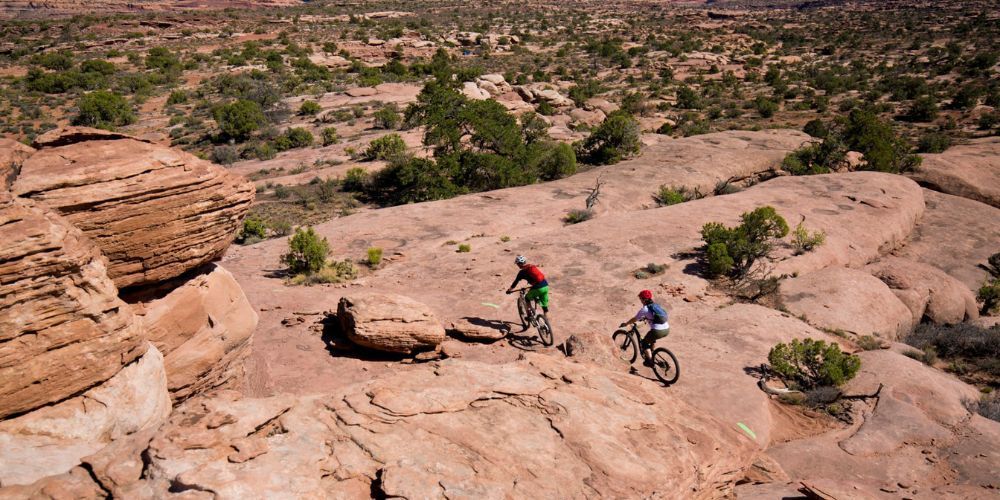
Finally, think about where you're riding. Casual gravel paths and easy cross-country trails have different demands than steep, rocky descents. If you're mostly doing mellow rides, a comfortable flat pedal shoe is all you need. If you're progressing toward more aggressive terrain, look for shoes with a slightly stiffer sole and a more protective toe box. And no matter what shoes you pick, a supportive ankle sleeve can be a great add-on to reduce fatigue on longer days out.
Ready to ride? Here's the quick version
If you're new to mountain biking, start simple: go with flat pedal shoes, make sure they fit well, and don't stress about upgrading to clipless until you feel totally comfortable on the trail. A good pair of shoes combined with something like the Incrediwear Ankle Sleeve can make a real difference in how long and how happily you ride — and that's true whether you're a solo weekend rider or introducing your daughter to the sport. The gear doesn't need to be complicated or expensive to work well.
Our top pick right now is the Incrediwear Ankle Sleeve — it's an affordable, practical way to keep your ankles feeling good on the trail. This guide is updated regularly as new products launch and rankings shift, so bookmark it and check back before your next purchase. Happy riding!
What's the difference between mountain biking shoes and road cycling shoes?
Road cycling shoes are designed for maximum pedaling efficiency — they have very stiff soles and the cleat sticks out on the bottom, which makes walking in them awkward and clunky. Mountain biking shoes have more flexible, grippy soles and a recessed cleat area (if they're clipless), so you can walk normally on the trail. MTB shoes are also generally more durable and water-resistant since you're dealing with dirt, mud, and rocks. If you're trail riding, you want MTB shoes — road shoes aren't built for it.Should I start with flat pedal or clipless mountain biking shoes?
For most beginners, flat pedal shoes are the way to go. They work with standard platform pedals, let you take your feet off the bike instantly, and feel like normal sneakers when you walk. Clipless shoes clip into special pedals and take some practice to get used to — there's definitely a learning curve. Once you're comfortable on the trail and riding more regularly, clipless is a great upgrade, but there's no rush. Start flat, build your confidence, and switch when you feel ready.Can I wear regular sneakers for mountain biking?
You can, especially for easy rides, but it's not ideal. Regular sneakers don't have the grip needed to stay planted on pedals over rough terrain, and the soft soles can make pedaling feel less efficient. MTB-specific flat pedal shoes have sticky rubber soles designed to grip pedal pins, which makes a real difference in feel and control. They also tend to be more durable in muddy and rocky conditions. That said, if you're just starting out on smooth trails, sneakers will get you going while you figure out what gear you actually want.
Nature's Playbook

As an Amazon Associate I earn from qualifying purchases.