
Iowa Camping Guides: Real Sites, Real Details, and Reasons to Go
Backbone State Park, Ledges State Park, and Pikes Peak State Park come up again and again among Iowa campers who've done the rounds. Each one earns that reputation for different reasons. Backbone sits in northeast Iowa and offers terrain that surprises people who picture Iowa as flat. Ledges draws folks for its sandstone canyon walls and wooded ravines. Pikes Peak puts you above the Mississippi River in a way that stays with you.
Prairie Rose State Park in southwest Iowa is worth the drive if water activities are part of your plan. It's set in rolling hills and designed with watersports in mind, making it a solid pick for a summer weekend with kids or friends who want more than hiking. The landscape shifts noticeably from the parks up north, and that variety is part of what makes Iowa worth exploring region by region.
If you're newer to camping, these established state parks are the right starting point. Sites are reservable, facilities exist, and you're not figuring out logistics in the dark. Once you've got a trip or two under your belt, the backcountry options open up in a satisfying way.
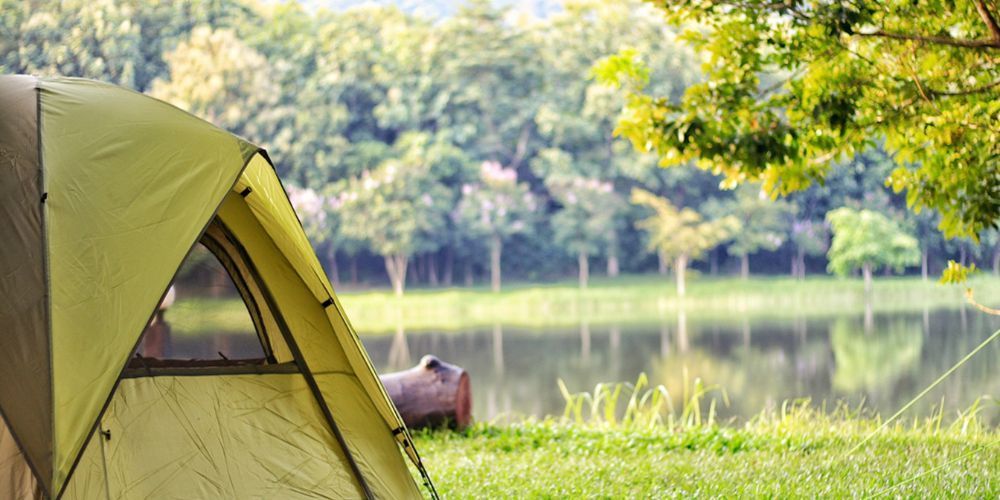
Where Iowa Campers Actually Go
Coralville Lake has two campgrounds worth knowing about. Tailwater East offers 28 campsites with a mix of full hook-up sites, standard electric sites, and non-electric walk-to tent spots, which gives you real flexibility depending on how you're camping. Sugar Bottom Campground on the same lake allows up to three camping units per site, one RV and two tents or three tents, with a six-person maximum and quiet hours starting at 10:00 PM. It's a reasonable structure that keeps things peaceful once the evening settles in.
Lake Red Rock's Howell Station campground has its own setup rules: one wheeled unit and two tents, or three tents per site, with no more than eight people. These limits aren't arbitrary. They keep the sites from feeling overcrowded on busy summer weekends, which makes the whole experience more enjoyable. Book early for midsummer stays at both lakes.
There's something grounding about waking up near water. Coffee tastes different when the lake is calm and the light is still low. Iowa's reservoir campgrounds give you that without requiring a long drive or a complicated permit process.
Backcountry and Free Camping at Shimek State Forest
Shimek State Forest in southeast Iowa is where you go when you want the real quiet. It has four backcountry campgrounds, and camping there is completely free. The catch is a good one: you must register at the forest headquarters before you camp. It's a simple step that keeps the forest managed and the sites available, so don't skip it.
Seven trailheads with parking give you multiple entry points into the forest. The White Oak Campground to Shimek State Forest Trail is a 7.2-mile loop near Farmington that the AllTrails community rates as moderately challenging. Average completion time runs about two hours and thirty-four minutes, which makes it doable for a day hike with time left to set up camp before dark.
Shimek is the kind of place that rewards people who want a little more effort in their trip. Free camping in a state forest feels different from a state park site. It's quieter, less structured, and more personal. If you're going with a friend and both want to feel like you actually earned the campfire, this is the spot.
Cabin and Shelter Options for a Softer Start
Not every camping trip starts with sleeping on the ground, and Iowa doesn't expect you to. State park cabins across Iowa include options with full kitchens, which changes the whole cooking situation and makes a long weekend feel more manageable. Lodges and shelters round out the accommodation options for groups who want covered space without full roughing-it logistics.
Cabin accommodations vary by park in terms of size and features, so checking the specific park reservation page before booking matters. What they share is a middle ground that works well for a first trip with a daughter who isn't sure about tents yet, or a girls' weekend where comfort is part of the plan. Full hookup campsites with electric, water, and sewer run between $19 and $32 per night across Iowa, giving you a reasonable baseline for budgeting.
Starting in a cabin or a well-equipped site isn't a compromise. It's a smart way to learn what you actually want from camping before committing to more primitive setups. A lot of experienced campers still choose a cabin now and then, especially in early spring or late fall when temperatures drop fast at night.
Gear Tips for Iowa Camping
Iowa's weather is genuinely unpredictable across seasons, and that's the first thing to plan around. Summer nights can stay warm and humid, but spring and fall temperatures drop fast after sunset, sometimes faster than you'd expect. A sleeping bag rated for 20 to 30 degrees colder than the expected low gives you a real margin. Bring a bag liner if you want flexibility across both warm and cool nights.
Rain gear matters here more than people plan for. Iowa sits in a region with active weather patterns, and a tent with a quality rainfly and a sealed footprint keeps a rainy night from becoming a miserable one. For backcountry trips like Shimek, waterproof boots and trekking poles on the moderately challenging loop trails reduce the risk of a turned ankle on wet roots or uneven terrain.
For lakeside camping at Coralville or Red Rock, a headlamp, a good insect repellent, and a dry bag for your gear near the water are the practical basics that people forget until they need them. If you're new to cooking at a campsite, a two-burner camp stove and a cast iron skillet cover almost every meal you'd want to make. Keep it simple the first trip, then build from there.
Essential Gear for Iowa

Carhartt Soft Shell Camping Cooler Lunch Bag

Anlisim Merino Wool Hiking Socks for Women

Yaktrax Walk Traction Cleats for Snow and Ice
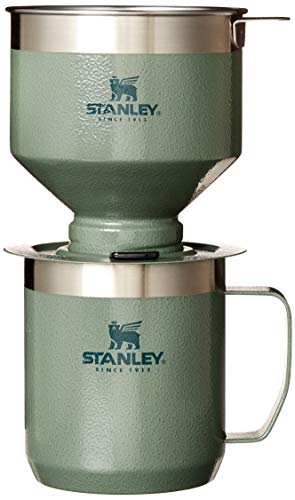
Stanley Perfect Brew Pour Over Set, 12 oz
Cultural and Historic Connections
Iowa's outdoor recreation history runs deeper than most people realize when they're just looking for a campsite. The state park system reflects decades of conservation work, and Pikes Peak State Park sits above a stretch of the Mississippi that Native peoples and European explorers both traveled for centuries. Camping there puts you on land that has meant something to people for a very long time.
Shimek State Forest carries that same weight in a different way. Southeast Iowa's forests were heavily logged through the late 1800s, and Shimek represents a long reforestation effort that started in the early twentieth century. Walking those trails now, with the canopy overhead and the backcountry sites tucked into the trees, is a reminder that landscapes recover when people decide they should. That history doesn't shout at you. It's just there, in the quietness of the place.
Iowa's camping culture today reflects a broad mix of people who come for very different reasons. Families, solo women, older hikers, first-timers and seasoned backpackers all show up at these parks. The range of site types, from free forest camping to furnished cabins, has grown to meet that mix, and it makes Iowa a state worth returning to as your camping style evolves.
List of Services
-
Camping in Iowa Find Iowa's best camping spots for women, families, and first-timers. Top sites, gear tips, and permit info included. Start planning your trip today.Camping in Iowa
-
Cycling in Iowa Discover Iowa's best cycling trails for women and families. Find top routes, gear tips, and where to start. Plan your Iowa ride today.Cycling in Iowa
-
Hiking in Iowa Discover Iowa's best hiking trails for women, beginners, and families. Find top parks, gear tips, and when to go. Start planning your trip today.Hiking in Iowa
-
Kayaking in Iowa Discover Iowa's best kayaking spots for women and families. Find top sites, gear tips, and where to start. Plan your paddle trip today.Kayaking in Iowa