
Where to Camp in North Carolina: Real Spots, Real Advice, No Guesswork
Hammocks Beach State Park, Jones Lake State Park, and Hanging Rock State Park are three of the most consistently recommended tent camping destinations in the state. They sit in very different parts of North Carolina, which makes them worth comparing before you commit. Hammocks Beach is a coastal park with barrier island access, Jones Lake sits in the Sandhills region, and Hanging Rock is in the Piedmont foothills near the Virginia border. Each one has its own feel and its own terrain.
Hanging Rock is the one people bring up again and again when someone asks where to start. The park has tent camping and sits in a forested ridge environment that gives you real elevation without requiring a backcountry permit. Jones Lake is quieter and more understated, good for folks who want water nearby and a slower pace. Hammocks Beach requires ferry access to Bear Island, which adds a layer of adventure that's hard to replicate anywhere else on the East Coast.
A dedicated group of North Carolina campers has been working toward visiting every state park that allows tent camping, which tells you something about the breadth of options here. North Carolina State Parks have established camping policies to keep sites safe and well-managed, so checking the specific rules for whichever park you choose is a smart first step. Booking early matters, especially for summer weekends.
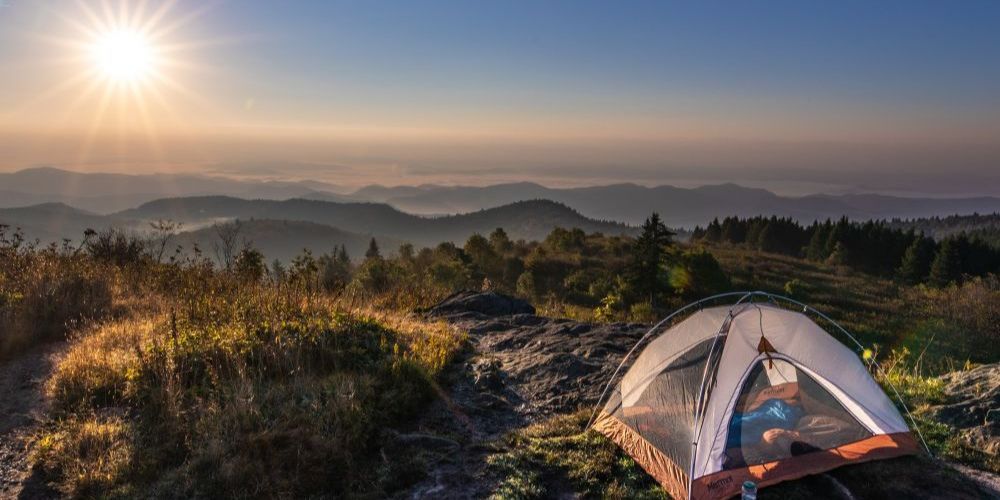
Where North Carolina Campers Actually Go
Linville Gorge Wilderness is the kind of place that stays with you. It's a rugged, deeply carved gorge in the Pisgah National Forest, and AllTrails lists at least 10 popular camping trails within the wilderness area. This is not a casual stroll with a tent situation. The terrain is serious and the trails reward people who come ready for it.
The Chimneys and Table Rock are two of the most sought-after destinations inside Linville Gorge. You access them by starting at Wolf Pit Road and following the Mountains-to-Sea trail north. Table Rock's exposed ridgeline views have a way of making everything feel very small and very clear at the same time.
If you're newer to backcountry camping, Linville Gorge is a good goal to build toward rather than a first trip. The Daniel Boone Scout Trail to Calloway Peak is rated both the most popular and the most difficult camping trail in the state on AllTrails, carrying a 4.7-star rating from over 3,400 reviews. That rating is well-earned, and so is the summit.
Campgrounds with Amenities: National Forest Options
Not every camping trip needs to be a wilderness test, and North Carolina's national forests make it easy to find a real campground with shade and running water. The National Forests in North Carolina include 38 campgrounds available for reservation through Recreation.gov, along with 13 permit types for different use areas. Booking through Recreation.gov is straightforward and lets you compare sites before you commit.
Lake Powhatan Campground sits at 2,200 feet elevation in the Appalachian Mountains of western North Carolina, on the banks of Lake Powhatan in a heavily wooded setting. The elevation keeps things cooler in summer, which matters more than people expect. It's the kind of campground where the morning light comes through the trees slowly and you don't feel rushed.
Davidson River Recreation Area is another national forest option worth knowing. It features several loops of shaded campsites in the Pisgah National Forest and is a solid pick for families who want outdoor access without roughing it entirely. Both campgrounds can fill up weeks in advance during peak season, so early reservations are not optional.
Camping Near Highlands: Trails with a View
The area around Highlands, North Carolina sits at a high elevation in the southern Blue Ridge and has a noticeably different character than the rest of the mountain region. The air is cooler, the forests are dense, and the terrain shifts quickly. AllTrails offers hand-curated trail maps, driving directions, and detailed reviews for camping trails in this area, which makes pre-trip planning much easier.
Highlands draws people who want their campsite to feel earned. The trails here tend to involve real climbing and real payoff. If you're going with a daughter who's ready to push herself a little, this region rewards that effort. The combination of trail access and cooler mountain temperatures makes it a compelling summer destination.
The town of Highlands itself has a history as a resort community dating back to the late 1800s, when it was intentionally founded at the intersection of two proposed cross-country routes. That history gives the area a settled, cared-for feeling that you notice even when you're camped well outside town.
Gear Tips for Camping in North Carolina
North Carolina's elevation range means you can't pack for one kind of weather. Mountain campsites at 2,200 feet or higher get genuinely cold at night, even in July. Coastal and Piedmont sites stay warmer but bring humidity that makes a moisture-wicking sleep layer matter more than you'd think. Plan layers regardless of the season.
For mountain camping in Linville Gorge or near Highlands, sturdy hiking boots with ankle support are more important than anything else in your pack. The terrain is rocky and uneven, and trail shoes that work fine on a day hike can feel inadequate by mile three with a loaded pack. Bring trekking poles if you have them, especially for descent.
A good rain layer is non-negotiable in this state. Western North Carolina is one of the wettest regions in the eastern United States. A compact, packable rain jacket takes up almost no space and changes the whole experience if a storm rolls through. For tent camping at any North Carolina state park, double-check the park's specific gear policies before you go, since some sites have restrictions on fires, pets, or generator use.
Essential Gear for North Carolina

Carhartt Soft Shell Camping Cooler Lunch Bag, Brown
List of Services
-
Camping in North Carolina Discover North Carolina's best camping spots for women and families. Find top sites, gear tips, and when to go. Start planning your trip today.Camping in North Carolina
-
Cycling in North Carolina Discover North Carolina's best cycling routes for women and families. Find top spots, gear tips, and guided tours. Start planning your ride today.Cycling in North Carolina
-
Hiking in North Carolina Find North Carolina's best hiking trails for women and families. Top spots, gear tips, and when to go. Start planning your trip today.Hiking in North Carolina
-
Kayaking in North Carolina Discover North Carolina's best kayaking spots for women and families. Find top sites, gear tips, and when to go. Start planning your trip today.Kayaking in North Carolina