
Camping in North Dakota: Wide Skies, Prairie Trails, and Sites Worth the Drive
Theodore Roosevelt National Park is the most talked-about camping destination in the state, and for good reason. The badlands landscape here is unlike anything else in the northern plains, all rugged buttes and sun-baked ridgelines. You can book campsites through Recreation.gov, which makes planning straightforward. It's the kind of place that earns its reputation.
Fort Abraham Lincoln State Park is another anchor on the North Dakota camping map. The park is historically significant, sitting near the site where Lieutenant Colonel George Custer and the 7th Cavalry departed for their final campaign in 1876. Camping here puts you close to that history in a way that no museum quite replicates. It's a layered experience, equal parts outdoor and historic.
Lewis and Clark State Park rounds out the most recognized options. Named for the Corps of Discovery expedition that passed through this region in the early 1800s, it sits along the Missouri River system and offers lakeside camping with that frontier backdrop still very much present. These three parks alone give you a strong starting point for planning.
Where North Dakota Campers Actually Go
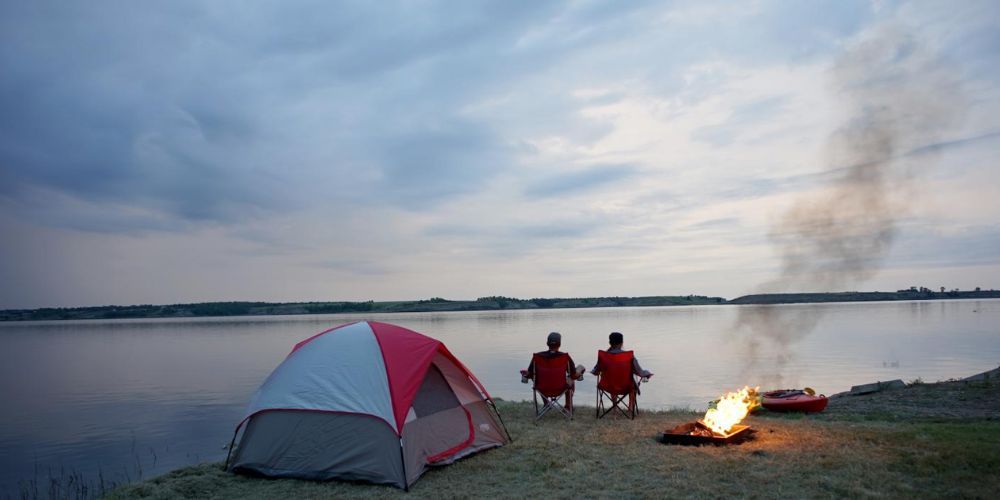
Wolf Creek Campground sits on Sakakawea Lake, one of the largest reservoirs in the country. The water out here can turn glassy on calm mornings, and the scale of the lake is something you feel more than you expect. It's a peaceful spot with real access to the water. You can reach the park ranger staff directly at (701) 654-7411 if you have site-specific questions.
Reservations at Wolf Creek are made by calling 1-877-444-6777. One important detail before you book: only one camping unit per site is allowed, meaning one RV or one tent, not both. That's a firm rule, so plan accordingly if you're camping with a group. Knowing this ahead of time saves a headache at check-in.
Ashtabula Lake is also listed as a camping destination through Recreation.gov. Lakeside camping in North Dakota tends to feel unhurried in a way that's hard to find closer to cities. You wake up to water sounds, you end the day watching the light change across the surface. It's a rhythm that's easy to fall into.
Trails Worth Knowing Near Your Campsite
The Bennett Campground to China Wall trail is a moderate hike covering 9.2 miles with an elevation gain of 790 feet. Plan for about 3.5 to 4 hours to complete it. It's one of the more rewarding day hikes you can connect to a campsite in North Dakota, especially if you and your hiking partner are ready for something with a little challenge. AllTrails has hand-curated maps and reviews for it.
AllTrails also lists 10 best camping trails and 10 best backpacking trails in North Dakota, all with maps and driving directions. That's a useful resource to pull up before you finalize a campsite choice. Knowing what hikes are accessible from a given camp can change your whole itinerary. It's worth the 10 minutes of planning.
For folks who prefer shorter, more leisurely walking over full-day hikes, many North Dakota state parks sit along scenic byways that offer their own kind of wander. You don't have to commit to 9 miles to feel like you've earned your campfire that night. Even a two-mile walk on open prairie changes how you see a place.
Cultural and Historic Connections
North Dakota's camping culture is woven into its frontier past in a way that's genuinely felt, not just labeled on a sign. Several state parks offer western-themed camping experiences, including covered wagon and prairie schooner setups that nod to the Oregon Trail era. Spending a night in a covered wagon on the northern plains is its own kind of time travel. It's a detail that makes a trip memorable for kids and adults alike.
Fort Abraham Lincoln State Park connects campers to one of the most significant military posts in the American West. The site includes reconstructed Mandan earth lodges, a reminder that this land has its own deep history that predates frontier settlement by centuries. That layered past is part of what makes camping here feel like more than just setting up a tent.
Lewis and Clark State Park honors the 1804 to 1806 Corps of Discovery expedition. Meriwether Lewis and William Clark traveled through this exact region, mapping land, meeting Indigenous nations, and documenting the natural world they encountered. Camping here along the Missouri River watershed is a quiet way to connect with that story.
Gear Tips for Camping in North Dakota
North Dakota's climate is the first thing to plan around. Summers can be warm during the day and significantly cooler at night, especially on the open prairie where wind is a constant presence. Bring layers you can peel back by noon and put right back on after sunset. A good sleeping bag rated lower than you think you'll need is a smart call.
Wind is serious here. A quality tent with solid staking capacity matters more in North Dakota than in sheltered, wooded campgrounds elsewhere. Test your setup at home before the trip. Stakes that work on a calm lawn might not be enough on an exposed site near Sakakawea Lake or in the badlands.
Sun protection is non-negotiable on the open prairie. There's less tree cover than you might expect, especially in Theodore Roosevelt National Park's badlands terrain. A wide-brimmed hat, quality sunscreen, and UV-protective layers go further than you'd think. Comfortable, broken-in footwear is the other thing people consistently wish they'd prioritized. New boots on a 9-mile trail is a hard lesson to learn in the field.
Essential Gear for North Dakota
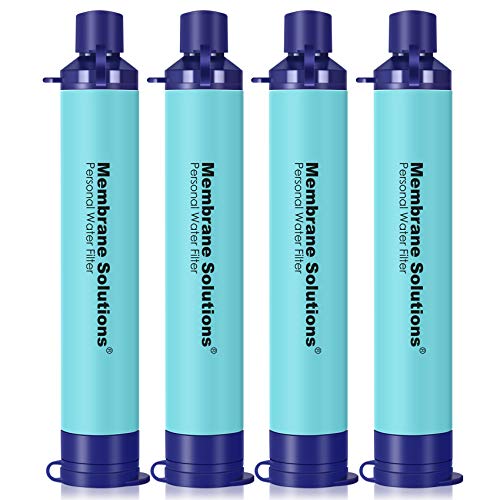
Membrane Solutions Water Filter Straw, 4 Pack

Carhartt Soft-Shell Camping Cooler, Brown
List of Services
-
Camping in North Dakota Find the best camping in North Dakota for women and families. Top sites, gear tips, and when to go. Start planning your trip today.Camping in North Dakota
-
Cycling in North Dakota Discover North Dakota's best cycling trails for women and families. Find top routes, gear tips, and when to go. Start planning your ride today.Cycling in North Dakota
-
Hiking in North Dakota Discover North Dakota's best hiking trails for women and families. Find top spots, gear tips, and when to go. Start planning your trip today.Hiking in North Dakota
-
Kayaking in North Dakota Find North Dakota's best kayaking spots for women, beginners, and families. Top sites, gear tips, and when to go. Start planning your paddle trip today.Kayaking in North Dakota