Camping in South Carolina: Where the Mountains Meet the Coast and Everything in Between
Devils Fork State Park sits about 40 miles northwest of Greenville, roughly an hour's drive from the city. It's one of those places that rewards you for making the effort to get there. The park offers access to Lake Jocassee, and the water on a calm morning is the kind of clear, glassy surface that makes you want to just sit with a cup of coffee and not say anything for a while.
Sumter National Forest covers over 370,000 acres across South Carolina. That's not a typo. It spans mountain streams, rugged upstate terrain, and the gentler rolling piedmont, so the feel of it shifts depending on where you go in. Cherry Hill Campground sits within the Francis Marion and Sumter National Forests, near the Chattooga Wild and Scenic River. It's open April 1 through October 31, which gives you a solid spring-through-fall window to work with.
Twin Lakes Campground on Hartwell Lake has 102 public campsites, five comfort stations, and a picnic shelter. It's a well-equipped spot, and the lake access makes it a natural choice if you want water nearby without a lot of backcountry commitment. On the coast, Buck Hall Recreation Area in Francis Marion National Forest sits at sea level along the Intracoastal Waterway. Camping that close to tidal water, with the smell of salt in the air, feels completely different from anything in the upstate.
Congaree National Park is also on the list of top South Carolina parks for camping and outdoor activities. Table Rock State Park, Paris Mountain State Park, Keowee-Toxaway State Park, and Jones Gap State Park all consistently draw campers for good reason. South Carolina has at least nine state parks recognized as strong camping destinations, so you have real options no matter what part of the state you're starting from.
Where South Carolina Campers Actually Go
South Carolina summers are humid. Genuinely humid. If you're camping in July or August, especially in the lower piedmont or coastal areas, expect heat that settles in and doesn't let go at night. That doesn't mean you can't do it. It just means you go in with your eyes open and plan your active time for early morning.
Spring and fall are the sweet spots. April through early June brings wildflowers, cooler air, and trails that aren't yet crowded. September and October in the upstate can be genuinely beautiful, with the temperatures dropping into comfortable ranges and the light going golden in the afternoons. Cherry Hill Campground's April 1 to October 31 season maps almost perfectly onto when the state is most enjoyable for camping.
Winter camping in the upstate is possible and actually appeals to folks who want the trails mostly to themselves. Nights get cold, and you'll need proper gear. Coastal spots can stay mild through much of the winter, though amenities at some campgrounds may be reduced. Check individual park and campground pages before you book any off-season trip.
Water Access and Lakeside Sites Worth Seeking Out
Hartwell Lake and Twin Lakes Campground give you 102 campsites with five comfort stations within reach of the water. If you're new to camping and want that lake-at-your-doorstep experience without a long hike to get there, this is a solid starting point. The lake is calm on most mornings, and the facilities make it approachable for a first trip.
Devils Fork State Park's proximity to Lake Jocassee puts it in a different category. The lake is known for its pristine, crystal-clear water. It's one of the cleanest natural lakes in the Southeast, and that reputation holds up. Kayaking, swimming, and fishing all happen here, and the surrounding park keeps the experience from feeling crowded.
Buck Hall Recreation Area takes the water experience in a completely different direction. Camping at sea level along the Intracoastal Waterway in Francis Marion National Forest means tidal rhythms, salt air, and a coastal quiet that's distinct from anything in the mountains. It's worth the drive to the coast if you want a camping trip that feels genuinely different from your last one.
Cherry Hill Campground's position near the Chattooga Wild and Scenic River adds a moving-water element to the mix. The Chattooga is federally designated as wild and scenic, a status it's held since 1974, which means it's protected from development and remains one of the more undisturbed river corridors in the region. That matters. It means the water stays clear and the surrounding landscape holds.
Fees, Permits, and Logistics Before You Book
Every South Carolina state park charges an admission fee. Camping fees are separate and on top of that. Specific amounts vary by park and site type, so check the individual park page or South Carolina State Parks' website before you finalize anything. Don't assume walk-in availability at popular spots, especially in spring and fall.
For national forest campgrounds like Cherry Hill and Buck Hall Recreation Area, reservations go through Recreation.gov. Twin Lakes Campground at Hartwell Lake is also bookable through Recreation.gov. Booking a few weeks out is a reasonable baseline, though popular weekends in peak season can fill faster than that.
Cherry Hill is open April 1 through October 31. Buck Hall and Twin Lakes have their own seasonal schedules, so confirm those when you book. If you're planning a trip to Daufuskie Island, note that it's accessible only by ferry, which adds a logistical layer worth planning around before you commit to dates.
AllTrails has hand-curated trail maps and reviews for South Carolina's top camping areas, which is useful for understanding what's near your campsite before you arrive. CampNab can also help you track down availability at South Carolina state park campgrounds if you're flexible on timing.
Gear Tips for Camping in South Carolina
South Carolina's climate is the first thing to plan around. Humidity is the defining factor in summer, and it affects everything from sleep quality to how quickly your gear dries. A tent with good ventilation and a mesh inner canopy makes a real difference on warm nights. Don't skip the footprint under your tent, especially at coastal sites where ground moisture is a factor.
Mosquitoes and other insects are active from spring through fall, and they're not subtle about it. A DEET-based repellent or permethrin-treated clothing is worth it. A head net sounds excessive until the first time you actually need one at dusk near a waterway. Bring one. It takes up almost no space.
Layering still matters in the upstate, particularly if you're camping in spring or fall. Mornings in the Blue Ridge foothills can be cool even in May, and temperatures drop quickly after sunset in October. A lightweight fleece and a packable rain layer cover most of what South Carolina will throw at you outside of midsummer.
For lakeside and coastal sites, water shoes make the shoreline more comfortable and protect against slippery surfaces. A dry bag for your phone and any valuables is a practical choice at river and waterway sites. If you're heading to a spot near the Chattooga or the Intracoastal Waterway, treat water access as part of the trip, and pack accordingly.
Essential Gear for South Carolina
-
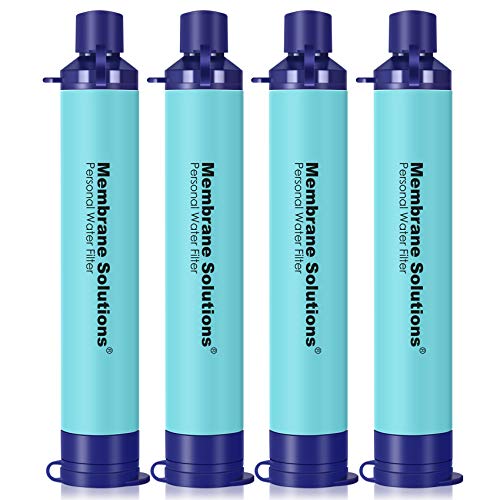
![Membrane Solutions personal water filter straws for hiking and camping]()
Membrane Solutions Personal Water Filter Straw, 4-Pack
Four portable filter straws for drinking water on the trail or in a pinch. A practical backup for group hikes, family outings, or emergency kits.See Current Price -
![Carhartt soft-shell cooler lunch bag for camping and outdoor use]()
Carhartt Soft-Shell Camping Cooler Lunch Bag, Brown
A rugged soft cooler that works at the campsite or job site. Good pick for day trips in South Carolina heat. Soft shell design keeps things compact.Check Today's Price

List of Services
-
Camping in South Carolina Find South Carolina's best campgrounds for women, beginners, and families. Top sites, gear tips, and when to go. Start planning your trip today.Camping in South Carolina
-
Cycling in South Carolina Discover South Carolina's best cycling trails for women and families. Find top rail trails, guided tours, and gear tips. Start planning your ride today.Cycling in South Carolina
-
Hiking in South Carolina Find South Carolina's best hiking trails for beginners and families. Get real tips on where to go, when to visit, and what to bring. Start planning today.Hiking in South Carolina
-
Kayaking in South Carolina Find South Carolina's best kayaking trails, parks, and paddling spots for women and families. Get real tips and start planning your trip today.Kayaking in South Carolina