
Camping in South Dakota: Where to Go, What to Know, and Why You'll Want to Stay Longer
The Black Hills region is where most campers in South Dakota end up, and for good reason. Black Hills National Forest alone has 21 campgrounds available through Recreation.gov, along with one permit area, which means you have real options and real variety without driving all over the state. Custer State Park sits in the same region and is consistently named one of the best camping destinations in South Dakota for its views across the Black Hills.
For campers who want the convenience of a reservation system and the reassurance of a well-maintained site, both locations deliver. Custer State Park reservations go through the South Dakota state parks camping reservations website, while Black Hills National Forest sites and permits book through Recreation.gov. Most campgrounds at Custer require a reservation, so plan ahead, especially for summer weekends.
Named campgrounds in Black Hills National Forest include Dutchman, Whitetail, Roubaix Lake, Pactola Reservoir, Bear Gulch, Boxelder Forks, Oreville, and Sheridan North Cove Group Campground. That range of names reflects a real range of settings, from lakeside to creek-side to deep forest. AllTrails also lists the Black Hills as home to some of the most popular camping trails in the state, which means you can pair your site with a good morning hike.
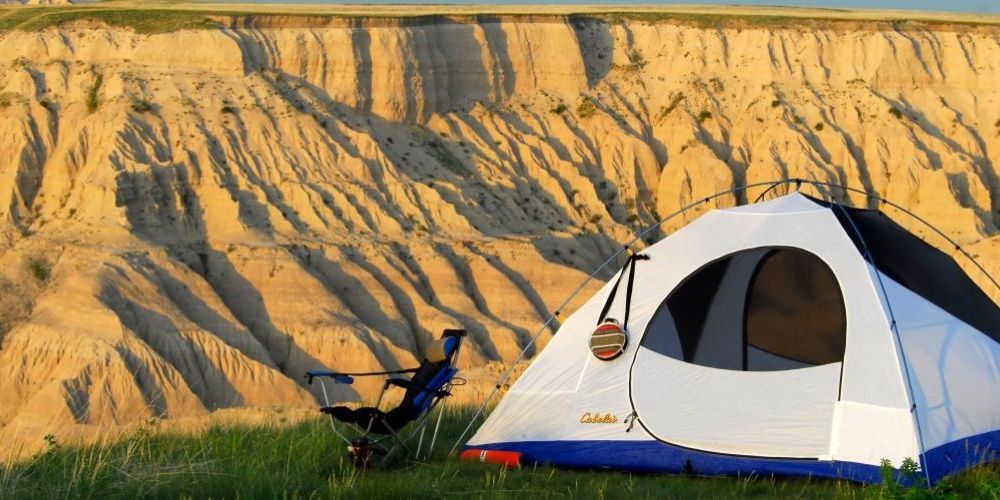
Where South Dakota Campers Actually Go
Horsethief Lake Campground sits two miles from Mount Rushmore National Memorial, which makes it one of the more strategically located campsites in the entire state. You can visit the memorial in the morning, be back at your site by midday, and spend the afternoon under the trees. That kind of trip rhythm is hard to beat.
The sites themselves are set in a forest of towering ponderosa pines, which means shade, that particular sweet pine scent in the air, and a sense of real quiet even when the campground is occupied. The campground is adjacent to Horsethief Lake, which adds the kind of calm water backdrop that makes a morning coffee feel like a genuine luxury. It books through Recreation.gov as part of Black Hills National Forest.
If you're bringing a daughter who's never been camping before, this is a strong choice. The proximity to Mount Rushmore gives the trip a clear destination, a story to tell. The forest setting does the rest.
Water Access and Lakeside Sites in the Black Hills
Two of the standout water-access campgrounds in Black Hills National Forest are Roubaix Lake and Pactola Reservoir, both bookable through Recreation.gov. Pactola Reservoir is one of the larger water features in the Black Hills area, and camping near it puts that open, glassy water right at the edge of your morning. Roubaix Lake offers a smaller, more intimate lake experience with the forested hills pressing in close.
Boxelder Forks Campground is another option worth considering if you want moving water nearby instead of a lake. Creek-side sites have their own rhythm, the sound that makes it easier to fall asleep and harder to leave. Bear Gulch rounds out the list of named campgrounds for those who want to explore before committing to a single site.
Booking early matters here. Lakeside and waterfront sites in the Black Hills go quickly, particularly from late spring through early fall. Check Recreation.gov well in advance and set alerts if your preferred dates are already filled.
Cultural and Historic Connections Worth Making
The Black Hills have deep historical significance that goes well beyond Mount Rushmore. This land is sacred to the Lakota Sioux, who have inhabited and revered the Black Hills for centuries. The 1868 Treaty of Fort Laramie designated the Black Hills as part of the Great Sioux Reservation, and the history of that treaty and what followed is part of the full story of this place. Spending time here with that awareness makes the trip more meaningful.
Horsethief Lake Campground's location two miles from Mount Rushmore makes it an easy base if you want to visit the memorial. The carving of the four presidents took 14 years, from 1927 to 1941, and employed hundreds of workers from the local area. It's a significant piece of American history, whatever your feelings about it, and seeing it at dawn before the crowds arrive is a different experience entirely.
Custer State Park also sits in a region with layered history, including connections to General George Custer's 1874 expedition into the Black Hills, which ultimately accelerated the conflict over this land. The park carries that name, and knowing the history behind it adds dimension to the landscape you're moving through.
Gear Tips for Camping in South Dakota
South Dakota's Black Hills sit at elevation, and that changes the gear math considerably. Summer days can be warm and sunny, but temperatures drop quickly after sunset, especially at elevation in the forest. A sleeping bag rated for 30 to 40 degrees Fahrenheit is a practical choice even for summer trips, and a packable insulating layer is worth the small amount of space it takes up.
The ponderosa pine forest at sites like Horsethief Lake means you'll want good stakes and a mallet. Pine needle-covered ground looks soft but tent stakes don't always hold the way you expect. A small ground cloth or footprint under your tent adds a layer of protection against the rocky soil that shows up across the Black Hills region.
For lakeside and reservoir sites, a packable rain layer is worth having. Afternoon storms move through the Black Hills region during summer months, and they can arrive fast. Sun protection matters too, because the elevation and open areas around the reservoir mean real UV exposure. Bring more sunscreen than you think you need, and a wide-brim hat earns its place in your bag.
Essential Gear for South Dakota

Carhartt Soft-Shell Camping Cooler Lunchbox, Brown
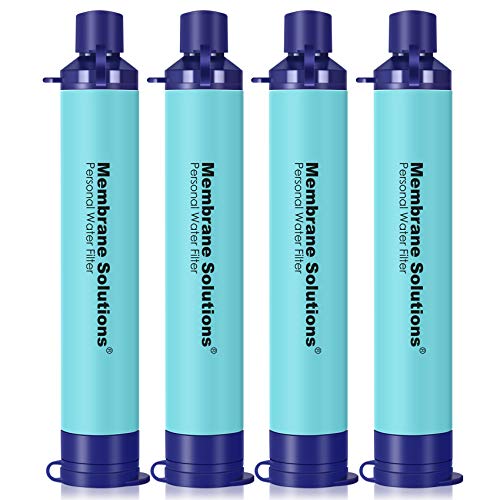
Membrane Solutions Water Filter Straw, 4-Pack
List of Services
-
Camping in South Dakota Find the best camping in South Dakota for women and families. Top sites, gear tips, and when to go. Start planning your trip today.Camping in South Dakota
-
Cycling in South Dakota Find South Dakota's best cycling trails for women and families. Top rides, gear tips, and when to go. Start planning your trip today.Cycling in South Dakota
-
Hiking in South Dakota Discover South Dakota's best hiking trails for beginners and families. Top spots, gear tips, and when to go. Start planning your trip today.Hiking in South Dakota
-
Kayaking in South Dakota Find South Dakota's best kayaking spots, gear tips, and when to go. Perfect for women, beginners, and families. Start planning your paddle trip today.Kayaking in South Dakota