Camping in Texas: Where to Go, What to Know, and Why You'll Want to Come Back
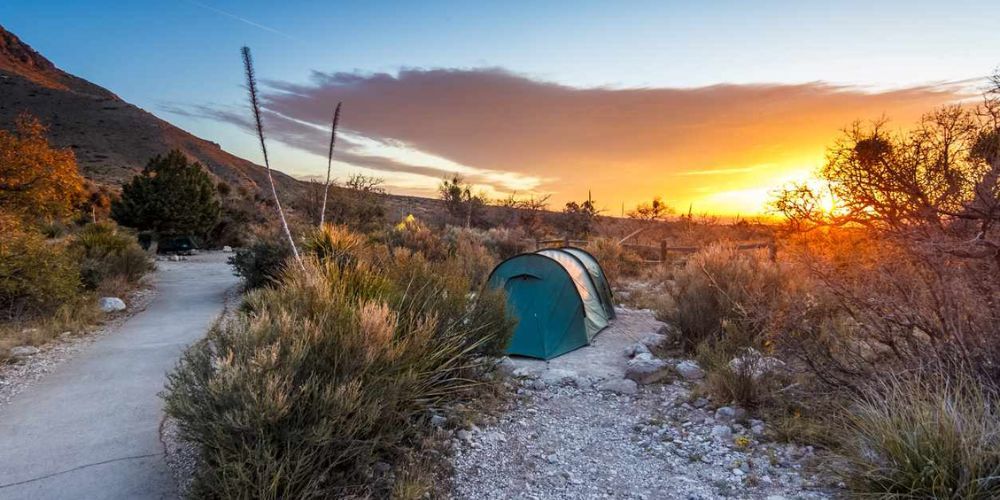
Texas state parks are the starting point for most first-time campers, and for good reason. Tent camping sites at state parks typically include shade trees, picnic tables, and straightforward access to restrooms, which matters more than people give it credit for on a first trip. You're not roughing it into the wilderness. You're easing in, and that's a smart way to start. Lake Somerville State Park's Nails Creek Unit is one spot that shows up consistently among Texas campers. It's accessible, the setting is calm, and AllTrails has trail maps and reviews ready to go so you can scout the trails before you arrive. That kind of preparation takes the guesswork out of the first morning. Lake O' The Pines in East Texas offers 8 campgrounds and 5 permit options, all bookable through Recreation.gov. The piney woods setting feels lush and different from what most people picture when they think of Texas camping. It's quieter than you'd expect. The National Forests and Grasslands in Texas bring 16 campgrounds and 9 permit options to the table, also through Recreation.gov. That's a lot of ground to explore, spread across several distinct regions of the state. AllTrails lists the 10 best camping trails in Texas and includes hand-curated maps, photos, and reviews from real hikers, so you can read what other women have said before you commit to a site.
Where Texas Campers Actually Go
Texas summers are no joke. Heat and humidity can make a camping trip feel less like a retreat and more like a test of endurance. The cooler months are when camping in Texas really opens up and feels like the reward it's supposed to be. Fall is when the air turns crisp and the crowds thin out at the parks. You get the shade trees and the trails without the brutal midday sun, and evenings by a fire feel genuinely cozy rather than just symbolic. Texas Parks and Wildlife specifically highlights cool, crisp weather as a draw to major state parks, so you're not imagining it. Spring is another strong window, especially if wildflowers matter to you. The Hill Country in particular draws visitors in spring for the color and the mild temperatures. Winter camping is also an option in Texas in a way it simply isn't in most northern states, with many parks staying open and welcoming year-round.
Bison, Bats, and the Wildlife Worth Watching
Texas has wildlife that will genuinely catch you off guard. At least one highly ranked state park camping site in Texas is known for bison and bat viewing, and those are not small experiences. Watching a bison cross an open field at dusk is the kind of thing that makes you put your phone down. It's worth looking up which parks are known for each before you book. Bats are a Texas experience all their own. The state is home to some of the largest bat populations in North America, and seeing a bat emergence at twilight, hundreds of thousands of wings lifting into the sky at once, is quieter and more beautiful than it sounds. If you're camping with a daughter who thinks she's too old to be impressed, a bat emergence will change her mind. Keep your eyes open at any Texas state park campsite. The diversity of the landscape across the state means the wildlife shifts depending on where you are, from white-tailed deer to wild turkeys to the occasional armadillo wandering through your campsite at night.
Water Access and Lakeside Camping in Texas
Lakeside camping in Texas means mornings where the water is calm enough to look like glass before the wind picks up. It's the kind of quiet that's hard to find anywhere else. Lake Somerville State Park's Nails Creek Unit puts you close to the water with trails and camping options that work for beginners. It's a practical choice that doesn't sacrifice scenery. Lake O' The Pines in East Texas sits in the Piney Woods region, where the water is surrounded by tall trees and the whole area has a lush, enclosed feel. With 8 campgrounds available and the ability to book online through Recreation.gov, the logistics are straightforward. Water access at Texas campgrounds adds a dimension to the trip that purely trail-based camping doesn't. You can fish, sit at the edge with your coffee, or just watch the light change. Some sites let you kayak or canoe, though you'll want to check individual park pages for what's available and whether you need to bring your own equipment.
Texas Outdoor Culture and the Beginner-Friendly Spirit Behind It
Texas has a genuine culture of getting people outside, especially first-timers. Texas Parks and Wildlife Department runs Texas Outdoor Family workshops, which are hands-on programs designed to teach camping basics to families who have never done it before. If you're nervous about that first trip, those workshops are worth looking into before you go. Texas Highways magazine published a beginner's guide to camping in Texas written by someone who had never camped before. That kind of resource exists because the culture here is welcoming, not gatekeeping. You don't need to have done this a hundred times to belong in a Texas state park campground. Texas Highways also maintains a database of campsites across the state, complete with preparation tips and activity suggestions. It's a practical resource to bookmark when you're in the planning stage. The state has put real effort into making camping accessible, and it shows in how the parks are set up and how the information is organized for newcomers.
Essential Gear for Texas

Carhartt Soft-Shell Camping Cooler Lunchbox

LifeStraw Personal Water Filter, 3 Pack
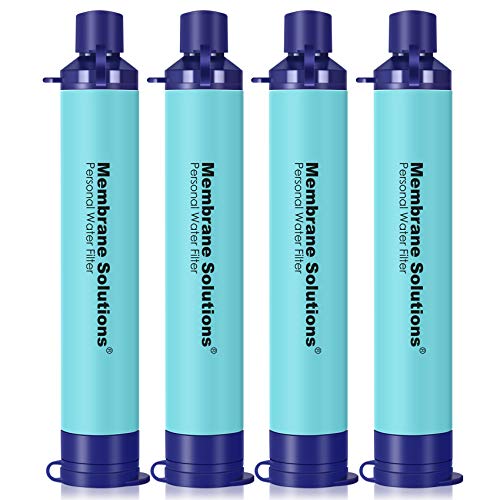
Membrane Solutions Water Filter Straw, 4 Pack
Gear Tips for Camping in Texas
Texas heat is the variable that catches people most off guard, even in the cooler months when nights can turn cold faster than you expect. Layer your clothing options so you're ready for both. A sleeping bag that works for mild temperatures paired with an extra blanket gives you flexibility without overpacking. The essential list for Texas camping starts with a tent, sleeping bag, sleeping pad, and pillow. Add headlamps or flashlights with extra batteries, because you'll be surprised how fast it gets dark and how far you walk from your site to the bathrooms. Camp chairs matter more than they seem. You'll spend a lot of time in them. A lantern makes evenings around the campsite easier and more comfortable than a single flashlight. Firewood or charcoal rounds out the list if you're planning to cook over a fire. Check with your specific park about whether firewood is available on-site or whether you need to bring your own. Some parks restrict outside firewood to protect against invasive species. Bring more water than you think you need. Texas is dry in ways that sneak up on you, especially on trail days.
List of Services
-
Camping in Texas Discover top camping spots in Texas for women, beginners, and families. Find where to go, when to visit, and what to pack. Start planning your trip today.Camping in Texas
-
Cycling in Texas Discover Texas's best cycling spots for women and families. Hill Country roads, state park trails, and gear tips. Start planning your ride today.Cycling in Texas
-
Hiking in Texas Discover Texas's best hiking trails for women and families. Find top spots, gear tips, and when to go. Start planning your Texas adventure today.Hiking in Texas
-
Kayaking in Texas Find the best kayaking in Texas, from Caddo Lake to Lady Bird Lake. Real spots, gear tips, and when to go. Start planning your paddle trip today.Kayaking in Texas