
Camping in West Virginia: Where the Mountains Actually Feel Like Home
The state organizes its camping across six regions: New River/Greenbrier Valley, Metro Valley, Hatfield-McCoy Mountains, Mountain Lakes, Mid-Ohio Valley, and Mountaineer Country. Each region has its own character, and knowing which one fits your trip makes the planning feel a lot less overwhelming. You don't need to see all of West Virginia at once. Pick a region, go deep, and let the place surprise you.
New River Gorge National Park and Preserve is one of the most recognized names on the list, and it earns that recognition. It's bookable through Recreation.gov, and it draws campers who want trails, river views, and the kind of scenery that makes you put your phone away. ACE Adventure Resort, near Marlinton, adds whitewater rafting to the mix for those who want their campsite to come with an adventure built in.
Monongahela National Forest shows up on both Recreation.gov and Hipcamp as a top-rated camping area, which tells you something. It covers a significant stretch of the state and offers a range of site types. George Washington and Jefferson National Forest also appears in West Virginia camping searches on Recreation.gov for those camping near the eastern edges of the state.
For campers who prefer a private, farm-style setting, Bear Run Farms and Taylors Landing Camping Club are among the highest-rated options on Hipcamp. Brooklyn Heights Riverfront Camp rounds out the Hipcamp top picks with a riverfront experience that feels a little quieter than the national park crowds.
Where West Virginia Campers Actually Go
West Virginia state parks have free admission across the board. That's not a limited-time offer or a seasonal perk. It's just how the state runs its parks, and it makes a real difference when you're planning a trip on a budget or want to camp multiple nights without the fees stacking up.
Camp Creek Campground and Marsh Fork Campground are both West Virginia State Park camping areas that have drawn enough attention to show up in dedicated YouTube reviews. That kind of organic coverage usually means the experience holds up. State park campgrounds like these tend to be well-maintained and accessible, which matters when you're new to camping or bringing kids along.
Recreation.gov lists over 100 campgrounds and day-use areas bookable online for West Virginia, with more than 200 total results statewide. Big Bend Campground, Blue Bend Campground, Battle Run Campground, Beech Fork Shelters, Riffle Run Campground, Bulltown Camp, and Gerald Freeman Campground all appear in those results. Having so many options bookable in one place makes the logistics easier, especially for a first trip.
Trails That Lead to a Campsite
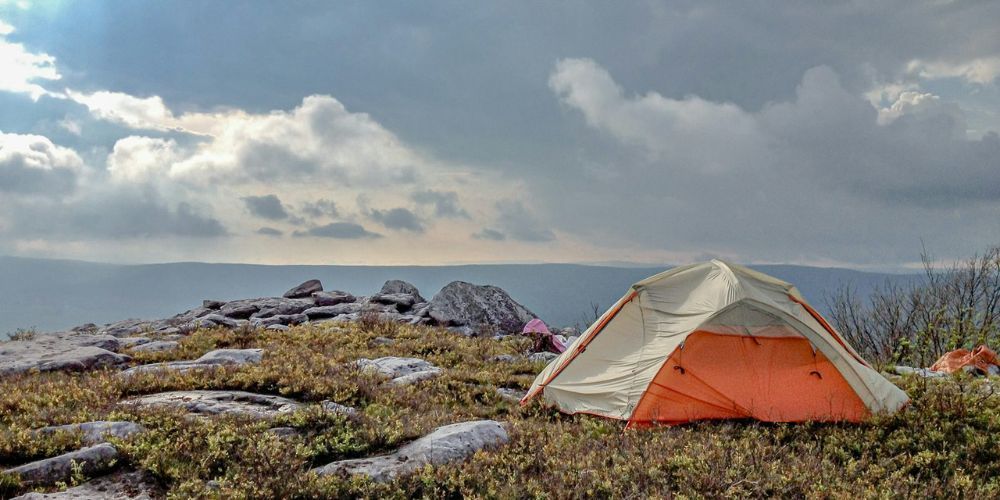
Dolly Sods Wilderness is one of those places that hiking and camping communities talk about in a specific tone, the way you talk about somewhere that got to you. It's a popular destination with hand-curated trail maps and detailed reviews on AllTrails, and it draws folks who want true wilderness feel without a technical backcountry skill set required.
The Spruce Knob via Huckleberry Trail near Riverton is rated 4.6 stars from 547 reviews on AllTrails, which makes it the most reviewed camping trail in that area. AllTrails also lists it as the most difficult trail in the region, so it's worth an honest look at your fitness and trail experience before you commit. The payoff at Spruce Knob, the highest point in West Virginia, is the kind of view that earns its difficulty.
For those newer to trail camping, starting with a well-marked trail in Monongahela National Forest before working up to Dolly Sods makes good practical sense. The forest has a range of trail options, and the campgrounds nearby mean you're not committing to a backcountry overnight on your first try.
The History Behind the Hatfield-McCoy Mountains
The Hatfield-McCoy Mountains region carries one of the most recognized names in American folk history. The feud between the Hatfield and McCoy families, which stretched from the 1860s through the 1890s along the West Virginia and Kentucky border, became a story told across the country. The rugged terrain of those mountains played a real role in isolating communities and shaping the culture of the region.
Today that same terrain is a recreational destination, and the region is part of West Virginia's official six-region tourism framework for camping and outdoor adventure. Camping here puts you in landscape that's been lived in for generations, and that sense of place adds a layer to the experience that a standard campsite doesn't always offer.
The state's official tourism slogan, Almost Heaven, comes from the John Denver song that named this state specifically. It's a line that gets quoted a lot, but it holds up when you're sitting at a campfire with the hills going dark around you. West Virginia earns the description in a quiet way that doesn't need much advertising.
Gear Tips for Camping in West Virginia
West Virginia's terrain is mountain-heavy and the weather shifts faster than lowland states. Even in summer, nights in the highlands cool down significantly, so a sleeping bag rated for temperatures lower than your expected overnight low is a practical starting point, not an upgrade. Layering for morning is just as important as packing for the afternoon heat.
Rain is a consistent companion in the Mountain State. A quality rain fly for your tent, a waterproof stuff sack for your sleeping bag, and rain layers you can move in will keep a rainy night from becoming a miserable one. Waterproof boots matter more here than in drier states, especially on trails like those in Dolly Sods where the terrain stays damp.
If you're car camping at a state park or Recreation.gov site for the first time, a simple gear checklist goes a long way. Headlamps, a basic first-aid kit, a water filter or purification tablets for trail sites, and a camp chair you actually like sitting in are the practical pieces that make the difference between a night you tolerate and a night you remember well.
Essential Gear for West Virginia

LifeStraw Personal Water Filter, 3 Pack
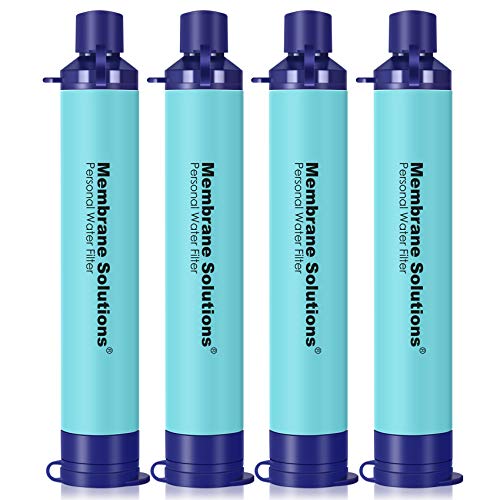
Membrane Solutions Water Filter Straw, 4 Pack

Carhartt Soft Shell Camping Cooler Lunchbox
List of Services
-
Camping in West Virginia Discover West Virginia's best camping spots for women and families. Find top sites, gear tips, and when to go. Start planning your trip today.Camping in West Virginia
-
Cycling in West Virginia Discover West Virginia's best cycling trails for women and families. Find top routes, gear tips, and when to go. Start planning your ride today.Cycling in West Virginia
-
Hiking in West Virginia Find West Virginia's best hiking trails for women, beginners, and families. Top spots, gear tips, and when to go. Start planning your trip today.Hiking in West Virginia
-
Kayaking in West Virginia Discover West Virginia's best kayaking spots for women and families. Find top sites, gear tips, and when to go. Start planning your paddle trip today.Kayaking in West Virginia