Camping in Wyoming: Where to Go, What to Expect, and How to Make It Yours
Wyoming has more than 100 campgrounds listed on Recreation.gov alone, and that number doesn't include state park sites or private land options. The range is wide. You can book a tent-only site in a national forest, reserve a spot in a national park, or find a dispersed camping area where the only neighbor you'll have is the wind.
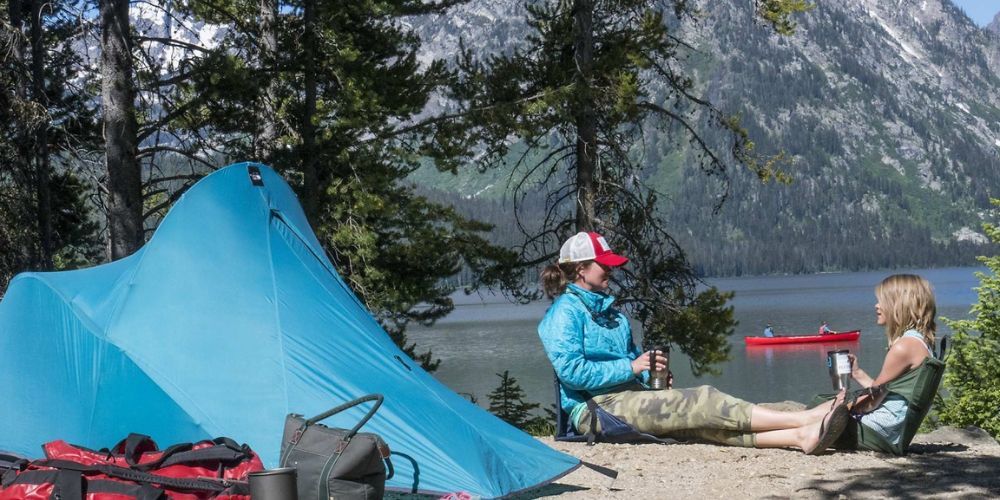
Grand Teton National Park is one of the most sought-after camping destinations in the state, and sites there book fast. Bridger-Teton National Forest surrounds the Tetons and offers a quieter, less crowded alternative with its own character. Shoshone National Forest, the oldest national forest in the country, sits along the eastern edge of Yellowstone and draws folks who want serious backcountry access without the national park crowds.
Bighorn National Forest is a strong pick if you're coming from the eastern part of the state or want something more accessible from the highway. Trail maps and user reviews are available on AllTrails, which makes planning easier before you commit to a specific area. The Snake River corridor rounds out the major zones, with campsites that put you right alongside one of Wyoming's most iconic waterways.
For something off the typical path, Bighorn Canyon National Recreation Area is a legitimate option for dispersed camping. It's listed as one of Wyoming's popular boondocking spots, and the canyon scenery is the kind that takes a minute to fully register when you first see it.
Where Wyoming Campers Actually Go
Vedauwoo Tent Campground in Medicine Bow-Routt National Forest is one of the more specific and well-documented options you'll find in Wyoming. It holds 20 tent-only sites, each with a table and fire ring, and vault toilets are on site. Water may be available, but don't count on it as your only source. Book through Recreation.gov.
Vedauwoo sits among massive granite rock formations that have been used by rock climbers for decades. The area has a raw, almost sculptural quality to it. Sites are simple, which is exactly the point.
Bald Mountain Campground and Alpine North Loop Campground are two additional Recreation.gov options worth searching when you're comparing sites in the state. Both are listed for online booking, which means you can check availability and lock in a date without calling anyone. For Wyoming state parks, non-residents pay $17 per night per vehicle and residents pay $10. Primitive camping at some state parks, like Curt Gowdy, can run higher than those standard rates depending on the specific site and amenities.
When to Go and What High Elevation Actually Means
Wyoming's camping season is real but it has edges. The sweet spot for most front-country campgrounds is late June through early September. Before that, higher elevation sites may still have snow or muddy access roads. After September, nights get cold fast, even at lower elevations.
High elevation camping in Wyoming is a different experience than camping at sea level, and it asks more of you. Temperatures can drop dramatically overnight even in July. Afternoon thunderstorms roll in fast, especially in July and August, and they're not gentle. Pack layers you actually mean to use, not just layers that ride in the bottom of your bag.
If you're planning a trip with kids or friends who are newer to camping, aim for July or early August and choose a campground below 8,000 feet for your first trip. That gives you the best weather odds and the most comfortable nights. You can always go higher once you know what the state feels like.
Gear That Earns Its Weight in Wyoming
Wyoming's climate is the main thing to plan your gear around. Even in summer, nighttime temperatures at elevation drop into the 30s, sometimes lower. A sleeping bag rated to 20 degrees Fahrenheit will cover you in most scenarios across the state's main camping areas. Don't bring a summer bag and hope for the best.
A quality rain shell is non-negotiable. Those afternoon thunderstorms arrive with little warning, and being soaked an hour into an evening hike is a fast way to end a trip on a sour note. A mid-layer, something like a fleece or a light insulated jacket, pulls its weight every single night in Wyoming.
For footwear, waterproof hiking boots or trail runners with a waterproof membrane are worth the investment if you're camping near the Snake River corridor or anywhere with meadow terrain. Gaiters are useful at higher elevations early in the season when snowmelt is still crossing the trail. Bring trekking poles if you're doing any significant mileage. Wyoming's terrain is uneven and the altitude alone adds effort to miles that would feel easy at home.
Essential Gear for Wyoming
-
![Membrane Solutions water filter straw for hiking and outdoor survival]()
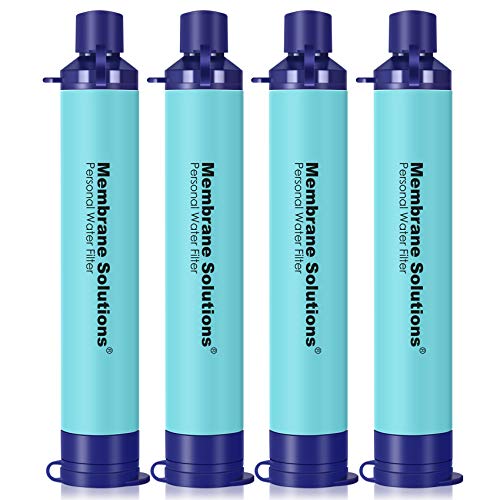
Membrane Solutions Water Filter Straw, 4 Pack
A portable filtration straw for drinking from natural water sources on the trail. Good value for groups or families. Comes in a 4 pack for shared trips.See Current Price -
![Carhartt soft shell cooler lunchbox for camping and outdoor use]()
Carhartt Soft Shell Camping Cooler Lunchbox
A rugged soft-sided cooler for keeping food and drinks cool at camp or on the trail. Works well for day trips and car camping. Available in brown.View on Amazon -
![LifeStraw personal water filter straw for hiking and camping]()
LifeStraw Personal Water Filter, 3 Pack
Drink directly from streams and lakes in Wyoming's backcountry without hauling heavy water. A solid starter filter for day hikes or emergencies. Comes in a 3 pack.Check Today's Price


List of Services
-
Camping in Wyoming Find Wyoming's best camping spots for women, beginners, and families. Top sites, gear tips, and when to go. Start planning your trip today.Camping in Wyoming
-
Cycling in Wyoming Find Wyoming's best cycling trails for women and families. Top spots, gear tips, and when to go. Start planning your Wyoming bike trip today.Cycling in Wyoming
-
Hiking in Wyoming Discover Wyoming's best hiking trails for beginners and families. Find top spots, gear tips, and when to go. Start planning your trip today.Hiking in Wyoming
-
Kayaking in Wyoming Discover Wyoming's best kayaking spots for women and families. Find top lakes, gear tips, and permit info. Start planning your paddle trip today.Kayaking in Wyoming