
Cycling in Colorado: Where to Ride, What to Expect, and How to Make It a Trip Worth Taking
Fruita and Grand Junction sit in the western part of the state, and they have a genuine reputation in mountain biking culture, not just the kind that shows up in promotional materials. You'll find easy, smooth singletrack that works well if you're just getting comfortable on a mountain bike. You'll also find rocky, ledgy desert terrain for the days you want a challenge. Spring, summer, and fall all work well out here, making it one of the most flexible cycling destinations in the state.
Colorado National Monument is near that same region, and Rim Rock Drive is the route cyclists talk about most. The views are wide and dramatic, and the climbs are real. The cycling community has specifically recognized this road for both its scenic value and its difficulty, which tells you something about who shows up to ride it. It's the kind of route that earns conversation at dinner.
Roxborough State Park offers a different feel, more accessible from the Denver area and surrounded by red rock formations that make the scenery feel completely out of proportion to how far you've driven. Cheyenne Mountain State Park is another option worth knowing, where cycling sits alongside hiking and horseback riding as a way to move through the landscape. Both parks give you a genuine outdoor experience without requiring you to drive hours into the backcountry.
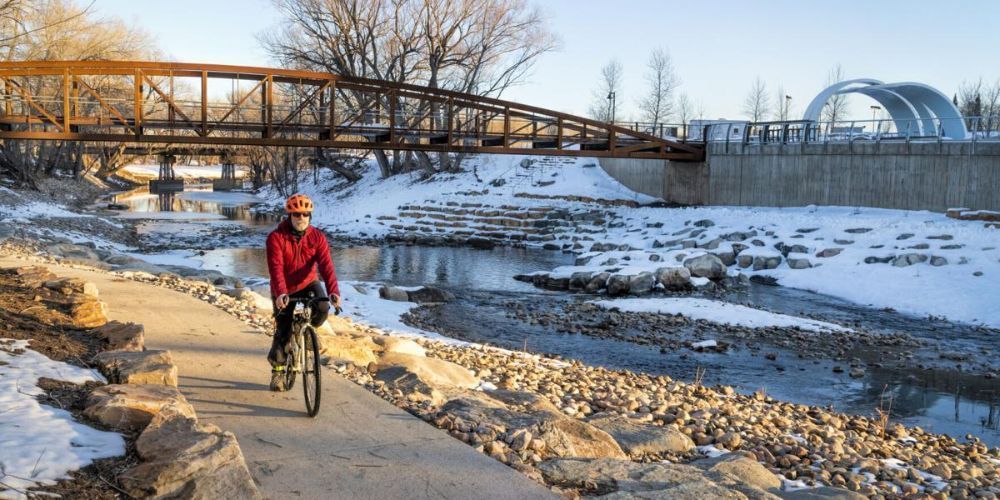
Where Colorado Cyclists Actually Ride
Trail Ridge Road in Rocky Mountain National Park is 28 miles of road cycling between Estes Park and Grand Lake. Colorado.com includes it on their list of the state's most challenging cycling routes, and anyone who's ridden it understands why. The elevation is significant, the exposure is real, and the scenery is the kind you'll want to stop for. Entry to Rocky Mountain National Park is required, so plan ahead and check current entry requirements before you go.
The Colorado Trail Bike Route runs 522.9 miles point-to-point, starting near Littleton and heading deep into the Rocky Mountains. It's a bikepacking route, meaning multi-day camping is part of the plan. This is not a beginner route, but knowing it exists matters, because it's the kind of goal that can shape a whole season of riding. If you're working toward something bigger, this is Colorado's answer.
One important note: Mount Blue Sky Highway, which many cyclists have historically sought out, is closed to all travel, including biking, through 2025. Don't plan around it for now.
When to Go Cycling in Colorado
Colorado mountain towns draw cyclists in spring, summer, and fall. Each season has a different feel. Spring brings cooler temperatures and fewer crowds, especially at lower elevations in places like Fruita. Summer opens up the high-country routes, including Trail Ridge Road, but afternoon thunderstorms are common at altitude and worth building into your schedule. Start early when you're riding high.
Fall is a genuine favorite for many Colorado cyclists. The air is crisp, the light is low and golden in the afternoon, and the mountain towns are quieter after the peak summer rush. If you're planning a trip with a daughter or a group of friends and want that unhurried pace, September and early October often deliver it. Check conditions closer to your trip date, especially for higher elevation roads that may close earlier in the season than expected.
The History Riding Under Your Wheels
Rim Rock Drive at Colorado National Monument has a history that makes the ride feel different once you know it. The road was built in the 1930s by the Civilian Conservation Corps, the same Depression-era program that built trails and infrastructure across national parks and monuments throughout the country. Workers carved it by hand along canyon walls at elevations that required serious effort long before anyone thought to ride a bike up it. When you're grinding up one of those climbs, you're riding something that took years to build.
The Colorado Trail itself has its own story. It was completed in 1987 after years of volunteer effort coordinated by the Colorado Trail Foundation. Thousands of volunteers contributed labor to build and maintain what became one of the most significant long-distance routes in the American West. The trail exists because people cared enough to dig it.
Guided Rides for When You Want Someone Who Knows the Way
If you're new to cycling in Colorado or want to explore areas you wouldn't navigate alone, guided tours are worth considering. Lizard Head Cycling Guides offers both road and mountain bike tours to some of the more remote and scenic areas in the state. They also run tours in other U.S. destinations and internationally, so if you connect with their style in Colorado, there's more to explore.
Colorado Adventure Guides runs guided mountain biking tours and instructional courses out of their basecamp in Silverthorne. Silverthorne sits in Summit County, which puts you close to some excellent riding. If you or your daughter are building skills and want structured instruction rather than just following a guide, their courses offer that.
Colorado Wilderness Rides and Guides takes a customized approach, offering road and mountain biking tours scaled to your skill and adventure level. Options range from half-day rides to longer itineraries, which makes it practical for a weekend trip or a longer stay. Having someone else handle the route planning is its own kind of freedom.
Essential Gear for Colorado
-
![Moreok waterproof windproof winter gloves in black for cycling and skiing]()
Moreok Waterproof Winter Cycling Gloves
Rated to -30°F, these gloves work for cold Colorado rides and have touchscreen-compatible fingertips so you can use your phone without taking them off.Check Today's Price

Gear Tips for Cycling in Colorado
Colorado's elevation changes everything about what you carry and how you feel on the bike. If you're coming from a lower-elevation city, give yourself a day to adjust before your first big ride. Bring more water than you think you need. The dry mountain air pulls moisture out of you faster than humidity-heavy climates, and you may not feel thirsty until you're already behind.
Layers matter in Colorado, even in summer. Morning temperatures at elevation can be cool enough for a light jacket, and afternoon storms can drop temperatures quickly. A packable wind layer takes up almost no space in a jersey pocket and earns its place on every mountain ride. Sun protection is also non-negotiable at altitude. The UV index climbs with every thousand feet you gain, so sunscreen, sunglasses, and a helmet with solid coverage are worth thinking about before you leave home.
For road cyclists, a helmet, cycling shorts with a chamois, and clip-in or flat shoes appropriate for your setup are the starting point. For mountain biking in places like Fruita, wider tires and a bike with suspension suited to rocky terrain will make the ride more enjoyable and more controlled. If you're renting locally, the shop staff at most Colorado mountain town outfitters can point you toward the right setup for the terrain you're riding.
List of Services
-
Camping in Colorado Find the best camping in Colorado for women, beginners, and families. Top sites, reservation tips, and gear advice. Start planning your trip today.Camping in Colorado
-
Cycling in Colorado Find Colorado's best cycling routes for women and families. Top locations, gear tips, and when to go. Start planning your ride today.Cycling in Colorado
-
Hiking in Colorado Find the best hiking trails in Colorado for beginners and families. Real tips on where to go, what to bring, and when. Start planning your trip today.Hiking in Colorado