
California Hiking Trails Worth Lacing Up For
The California Riding and Hiking Trail is one of the state's longer established routes, covering 36.4 miles with 3,103 feet of elevation gain. It's rated hard, and the full trail takes roughly 14.5 to 16 hours to complete. That's not a casual afternoon. But sections of it are worth knowing about if you're building up to a serious day hike or planning something with more challenge.
The eastern boundary of Beauty Mountain Wilderness follows the alignment of this same trail, putting you at the edge of a designated wilderness area as you walk. That kind of layering, trail meeting wilderness boundary, gives you a sense of how interconnected California's public lands really are. It rewards the kind of hiker who pays attention.
Castle Rock, accessible from California Highway 62 near the railroad crossing west of Vital Junction, offers a different kind of experience. The terrain is more approachable, and the access point off Highway 62 makes it easy to find without a lot of pre-trip navigation stress. If you're heading out to the greater Palm Springs region, this is worth putting on your list.
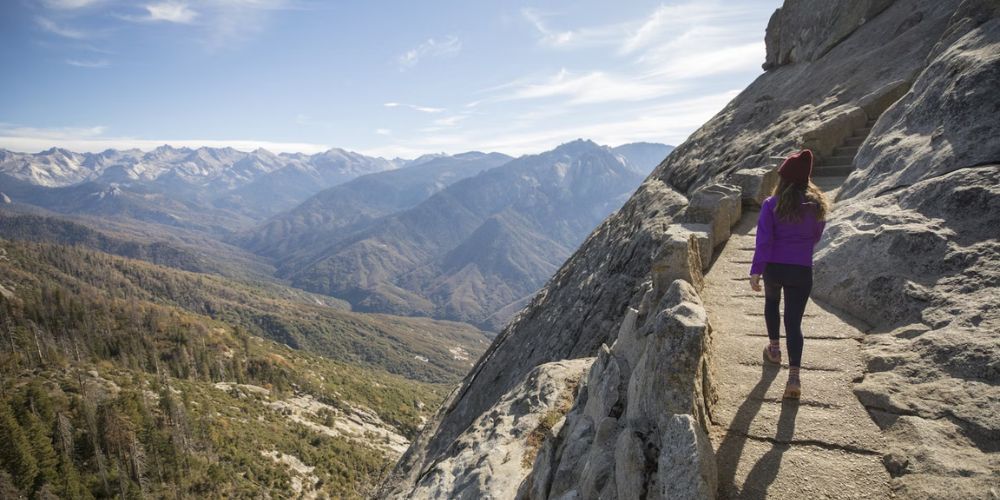
Trails Across California Worth Knowing About
Cupcake Mountain Hiking Trail sits inside a wilderness area and earns its reputation as a strenuous route. The trail runs close to 5 miles round trip. That's not an enormous distance, but wilderness terrain means you're earning every mile.
The name tends to get a smile at the trailhead. The hike itself is serious work. If you're going with a daughter who's ready to push past easier trails, this is a good choice. It asks something of you, and that's part of why it's satisfying.
The Coachella Valley Mountain Conservancy covers hiking trail information for the Greater Palm Springs area, and the Cupcake Mountain trail falls within that broader network. The Conservancy also references the CAL FIRE Hiking Safety Guide as a resource for trail users, which is worth downloading before you head out into any desert terrain.
Northern California's Castle Crags and the Pacific Crest Trail
Castle Crags State Park sits in the Shasta-Trinity National Forest area of Northern California, and the Pacific Crest Trail passes directly through it. The park connects to both the California State Parks trail system and the broader Shasta-Trinity National Forest trail network. That kind of access point is rare and genuinely useful.
The crags themselves are ancient metamorphic rock formations that rise sharply above the forest floor. They've been drawing hikers and climbers for generations, and the views from the higher sections of trail are the kind that stay with you. This is Northern California at its most dramatic.
If you're planning a longer trip through the north of the state, Castle Crags is a natural anchor for a weekend. It's a serious destination, not a quick stop.
Guided Hiking: A Smart Option for First-Timers and Solo Travelers
Guided hiking is worth considering more seriously than most people do. It's not just for beginners. It's for anyone who wants to focus on the experience instead of the logistics, move through unfamiliar terrain with someone who knows it, or simply feel safer on a solo trip.
The Outdoor Adventure Club has offered guided day hikes throughout the Bay Area since 1996, with professionally trained and certified guides. That kind of longevity in a region tells you something. They know these trails in every season, in good weather and bad. Bay Area terrain is more varied than it looks on a map.
In Yosemite, guided hiking tours connect you with local guides who know both the iconic landmarks and the quieter corners most people walk right past. Wildland Trekking offers guided hiking and backpacking tours across multiple California destinations, with all trips described as all-inclusive and expert-led. For a first big California trip, having that structure can make the difference between a stressful day and a restorative one.
Cultural and Historic Connections on California Trails
The Outdoor Adventure Club's roots go back to 1996, and that history reflects something true about California's outdoor culture. Organized hiking in the Bay Area has long been a way people connect, not just with nature but with each other. Group hikes became a real social institution here, long before apps made it easy to find your people outdoors.
Yosemite carries its own weight of history. The park and the trails through it have shaped how Americans think about public land and what it means to protect wild places. Hiking with a local guide there means walking with someone who understands that context, not just the trail markers.
California State Parks offers a free downloadable guide to help hikers find parks to explore across the state. It's a practical tool, but it also represents something worth acknowledging: the state has invested in making its land accessible to everyday people, not just serious athletes. That's worth something.
Essential Gear for California
-
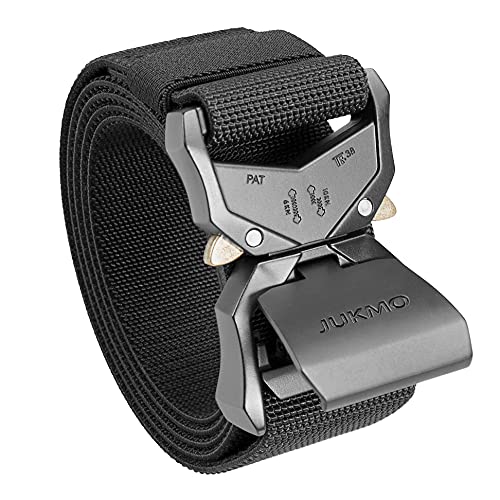
![Jukmo tactical nylon belt with quick-release buckle for hiking and outdoor activities]()
Jukmo Tactical Nylon Hiking Belt, 1.5 Inch
A sturdy everyday belt built for active days. Features a quick-release buckle and 1.5-inch nylon webbing. Available in black.See Current Price -
![Alvada merino wool hiking socks crew length for hiking and outdoor use]()
Alvada Merino Wool Hiking Socks, 3 Pairs
Stay comfortable on cool California trails. Merino wool keeps feet warm without overheating. Comes in a 3-pair set, sized M/L.Check Today's Price -
![Yaktrax walk traction cleats stretched over shoe sole for snow and ice walking]()
Yaktrax Walk Traction Cleats for Ice and Snow
Slip these over your shoes for extra grip on icy or snowy paths. Good for winter hikes at higher California elevations. Sold as one pair.View on Amazon -
![Anlisim merino wool hiking socks for women in tie-dye pattern for outdoor and casual wear]()
Anlisim Merino Wool Hiking Socks for Women, 5 Pairs
A warm, cushioned sock for cool-weather hikes or everyday wear. Merino wool construction, tie-dye style. Comes in a 5-pair set.Check Today's Price


Gear Tips for Hiking California's Varied Terrain
California's terrain is not uniform, and your gear choices should reflect that. Desert trails in the Coachella Valley area get intensely hot and dry, especially from late spring through early fall. Sun protection is not optional. A wide-brimmed hat, UV-blocking sun shirt, and sunscreen rated for full sun exposure are baseline. Carry more water than you think you need.
For Northern California trails like those at Castle Crags, layers matter more than anything else. Mountain weather shifts quickly. A packable rain jacket, moisture-wicking base layer, and a mid-layer you can peel off are the combination that works. Sturdy trail shoes with ankle support are worth the investment on rocky and uneven terrain.
On longer or more strenuous hikes like Cupcake Mountain or sections of the California Riding and Hiking Trail, trekking poles make a real difference on the descent. Your knees will thank you. A well-fitted daypack with a hip belt keeps weight off your shoulders on routes that take more than a couple of hours. The CAL FIRE Hiking Safety Guide, referenced by the Coachella Valley Mountain Conservancy, is a free resource worth reviewing before any backcountry or desert day hike in the state.
List of Services
-
Camping in California Find California's best camping spots, gear tips, and when to go. Perfect for beginners and families. Start planning your California trip today.Camping in California
-
Cycling in California Find California's best cycling routes for women, beginners, and families. Trails, gear tips, and when to go. Start planning your ride today.Cycling in California
-
Hiking in California Find California's best hiking trails for beginners, families, and solo adventurers. Get real tips on where to go and what to bring. Start planning today.Hiking in California
-
Kayaking in California Find California's best kayaking spots for women, beginners, and families. Get real tips on where to go, what to bring, and how to plan. Start exploring today.Kayaking in California