
Hiking in Delaware: Where to Start, What to See, and Why You'll Want to Come Back
Delaware keeps it accessible, and that's not a consolation prize. The Wilmington area alone has 31 easy trails listed on AllTrails, many of them kid-friendly and some that thread past historic landmarks. If you're planning a day out with your daughter or a friend who hasn't hiked much, this region is a natural starting point. The trails are well-marked and the terrain stays manageable.
Across the state, those 28 beginner-rated trails cover a range of scenery, from wooded paths to open refuge land. Delaware State Parks hold dozens of miles of hiking trails between them, giving you real variety without long drives between stops. You're never far from the next trailhead.
For wildlife and open landscape, Prime Hook National Wildlife Refuge is one to put on your list. It's a federally designated refuge accessible through Recreation.gov, where you can also reserve permits and camping if you want to extend your trip. The setting is quiet and unhurried, the kind of place where you slow down without even trying.
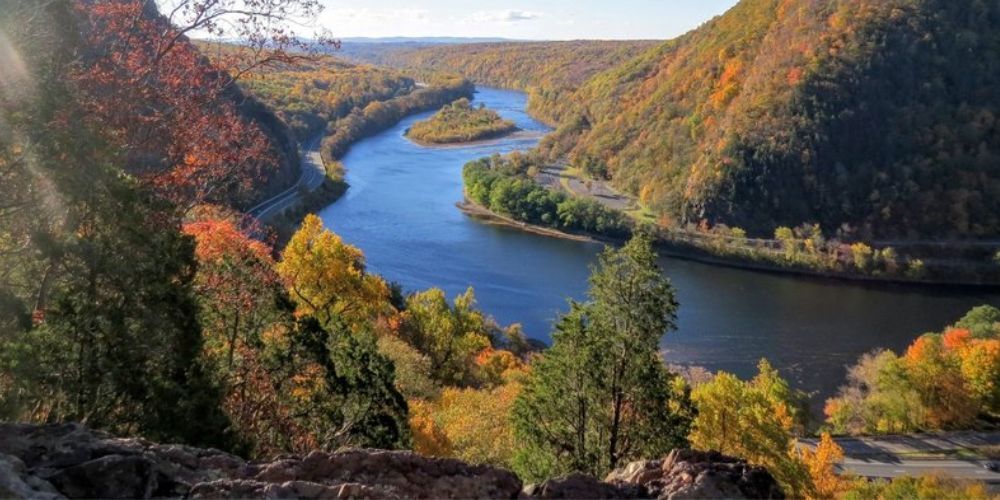
Easy Trails Worth Your Time in Delaware
Fall is the season that earns Delaware its most loyal trail fans. The trees along many of the state's paths turn gold and auburn in autumn, and the effect is the kind of thing you want to photograph and then put the phone away and just watch. The air cools down, the crowds thin out, and the trails feel like they belong to you.
Delaware Water Gap National Recreation Area keeps its doors open year-round, so if fall fills up fast on your calendar, winter and early spring are real options too. The recreation area offers hiking alongside paddling, fishing, and camping, making it a good anchor for a longer trip any time of year.
Spring brings its own rewards, with softer light and the trails waking back up. Summer works, though you'll want an early start before the humidity settles in. Any season has something to offer here, but if you have flexibility, go in October.
History You Can Walk Right Past
Some of the most interesting moments on a Delaware trail are the ones that stop you mid-step. Hiking routes in the Delmarva Peninsula region pass by World War II military bunkers, the kind that once held heavy artillery during the war. They sit along the trails now, weathered and still, and they have a way of making history feel very immediate.
The Delmarva trail network, highlighted by Shorebread as part of an Explore the Shore guide, weaves through this coastal terrain where those bunkers stand. It's a detail that sticks with you, and it's the kind of thing that turns a nice walk into a real memory. Kids especially tend to remember it.
The Wilmington area adds another layer, with trails that pass historic sights woven into the landscape. Delaware was one of the original thirteen colonies and carries that history in its geography in ways you can actually see on foot. Walking it gives you a different sense of the state than any museum could.
What to Expect from Delaware's Terrain
Delaware is flat to gently rolling, and that's genuinely good news for beginners. There are no punishing climbs or technical scrambles to worry about. The trails here reward a leisurely pace and let you pay attention to what's around you instead of where to put your feet.
The Lower Delaware National Wild and Scenic River corridor, located near Interstate 80 at Portland, offers hiking along riverfront terrain with paddling and picnicking nearby. The landscape is open and serene, and the river alongside the trail adds a calm, almost meditative quality to the walk. It's a good one for a half-day out.
Prime Hook National Wildlife Refuge brings a different feel, with refuge land that opens up into wider sky and habitat. The terrain stays approachable, but the surroundings shift noticeably from the wooded trails farther north. Delaware's small size actually works in your favor here. You can experience genuinely different landscapes in a single weekend.
Gear Tips for Hiking in Delaware
Delaware's trails are beginner-friendly, but a few practical choices make the day go better. Start with footwear. A supportive trail shoe with decent grip handles the varied terrain well, even on the flatter coastal paths where soft or muddy ground can catch you off guard. Save the sandals for the beach.
Humidity is real in Delaware, especially from late spring through August. Lightweight, moisture-wicking layers keep you comfortable on longer walks, and a packable rain layer is worth throwing in your bag any time of year. The weather near the coast can shift faster than the forecast suggests.
Sun protection matters more on the open refuge trails where tree cover thins out. A hat, sunscreen, and a reusable water bottle are the essentials you'll reach for most. If you're bringing a child, pack more water than you think you need and a small snack to keep the mood good on the return stretch.
Essential Gear for Delaware
-
![Alvada merino wool crew socks for hiking and winter wear]()
Alvada Merino Wool Hiking Socks, 3 Pairs
Warm, natural wool socks that work well on Delaware's cooler trail days. Comes in a 3-pair set, sized for men and women.Check Today's Price -
![Yaktrax Walk traction cleats stretched over a shoe for icy walking]()
Yaktrax Walk Traction Cleats for Snow and Ice
Slip these over your shoes for added grip on icy winter walks. A simple, low-cost option for occasional icy conditions.See Current Price -
![Yaktrax Diamond Grip traction cleats on shoe for winter walking on ice]()
Yaktrax Diamond Grip All-Surface Traction Cleats
Designed for ice and snow on varied surfaces. A step up from basic cleats, intended for more demanding winter conditions.See Current Price -
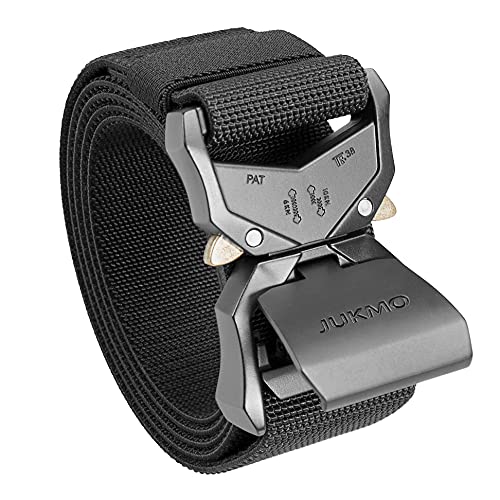
![Jukmo tactical nylon belt with quick-release buckle for hiking]()
Jukmo Tactical Nylon Hiking Belt
A sturdy 1.5-inch nylon belt with a quick-release buckle. Practical for hiking or everyday outdoor use.View on Amazon -
![Anlisim merino wool hiking socks for women in tie-dye pattern]()
Anlisim Merino Wool Hiking Socks, 5 Pairs
Five pairs of cushioned wool socks made for women. A solid value pick for cool-weather hikes or everyday warmth.Check Today's Price



List of Services
-
Camping in Delaware Find Delaware's best camping spots, when to go, and what to pack. Practical tips for women and families. Start planning your trip today.Camping in Delaware
-
Cycling in Delaware Discover Delaware's best cycling trails for women, beginners, and families. Find top routes, gear tips, and when to go. Start planning your ride today.Cycling in Delaware
-
Hiking in Delaware Find Delaware's best hiking trails for beginners and families. Discover top spots, gear tips, and when to go. Start planning your trip today.Hiking in Delaware
-
Kayaking in Delaware Find Delaware's top kayaking spots, gear tips, and when to go. Perfect for beginners and families. Start planning your paddle trip today.Kayaking in Delaware