
Oklahoma's Best Hiking Trails: Where to Start, What to Expect, and Why You'll Want to Come Back
Beavers Bend State Park in southeastern Oklahoma is one of the most reliable places to take someone who's never hiked before. The Beaver Lodge Nature Trail is a 4.8-kilometer out-and-back with only 75 meters of elevation gain, which means you're moving through scenery without grinding up a mountain. It's rated beginner-friendly, and the park itself is peaceful in a way that settles you.
Broken Bow, just minutes from Beavers Bend, has at least four easy hiking options, including kid-friendly routes and trails with historic sights along the way. If you're planning a trip with your daughter or a friend who's newer to the outdoors, this area gives you options. You can choose based on energy level, interest, or how much time you have.
Gloss Mountain State Park offers a completely different feel. The terrain here is open and dramatic, with the glittery selenite-covered peaks that give the park its name. It's a striking landscape that doesn't look like anywhere else in the state, and the hike gets you up close to geology that took millions of years to form. Short and memorable, it earns its place on any Oklahoma hiking list.
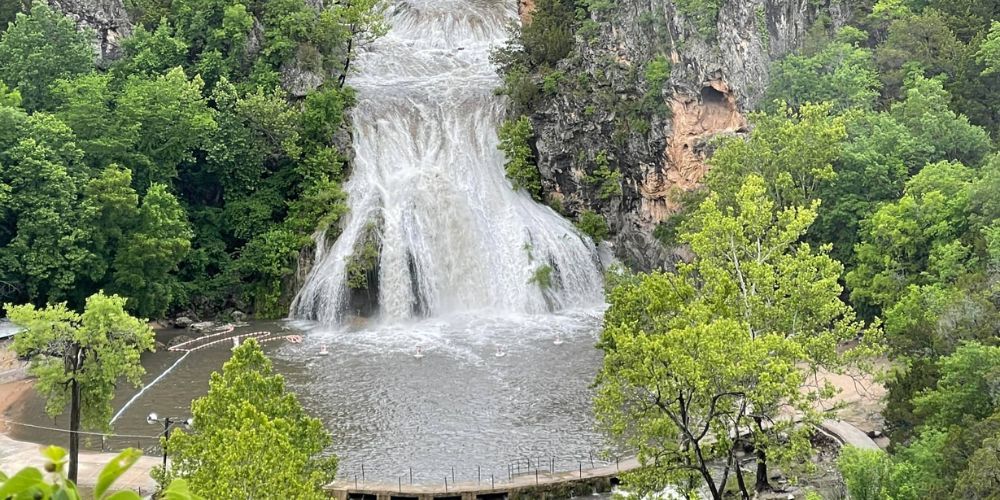
Trails Worth Starting With in Oklahoma
Oklahoma's terrain is more varied than its reputation suggests. The southeast, around Beavers Bend and the Ouachita National Forest, is forested and shaded, with the kind of quiet that makes you forget you're still in the south-central United States. Trails here move through pines and hardwoods, crossing streams and winding through terrain that feels genuinely lush.
The southwest is a different story. Wichita Mountains Wildlife Refuge has rocky, open ground and a rugged feel that rewards the effort. Charon's Garden inside the refuge is described as an enchanting landscape, which is accurate. Boulders, prairie, and sky come together in a way that feels ancient. This is southwestern Oklahoma at its most elemental.
For those ready to push further, Oklahoma includes a 42-mile section of the Ouachita Trail, one of the longer dedicated hiking routes in the region. The 23-mile Boardstand Road and Old Military Road trail is another option for folks wanting a full-day or multi-day experience. The state parks collectively offer trails across thousands of miles of diverse terrain, so you can start easy and build from there.
Wildlife and Nature Along the Way
Sequoyah National Wildlife Refuge is where you go when the hiking is only part of the point. The refuge supports birding, wildlife photography, and interpretive programs alongside its trails. If you or your daughter are into birds, or if you just want a walk where you might actually see something wild, this is your spot.
Wichita Mountains Wildlife Refuge, home to Charon's Garden, is a federally managed refuge in southwestern Oklahoma. The land here is managed specifically to protect wildlife, so the natural environment feels intact in a way that's harder to find elsewhere. You're not just walking through scenery. You're in an ecosystem that's been protected for a reason.
Cedar Lake in Ouachita National Forest sits on the shores of a lake and connects hiking with water. The campground there gives you access to boating, fishing, and horseback riding alongside the trails. If you're spending a weekend and want more than just a hike, Cedar Lake builds a full itinerary around one beautiful location.
Cultural and Historic Connections on the Trail
The 23-mile Boardstand Road and Old Military Road trail carries history in its name. This route traces the path of early military movement and road development across Oklahoma, connecting modern hikers to the people who traveled this ground for very different reasons. Walking a trail that served as a military road puts the land in a different light.
Oklahoma's history as a crossroads territory means its trails often pass through or near places that mattered to the people who lived here long before the state existed. The historic sights noted along Broken Bow's trails are worth seeking out. Context deepens a hike. It turns a walk in the woods into something you'll actually tell someone about later.
When you're on these trails, you're following ground that has been traveled for centuries. That awareness doesn't weigh on you. It steadies you. There's something grounding about walking where others have walked with purpose.
Permits, Fees, and Planning Details
Charon's Garden inside Wichita Mountains Wildlife Refuge requires a permit. You can get it through Recreation.gov at recreation.gov/permits/4675313. Plan ahead for this one, because the area draws visitors and permits can fill. Going without one isn't an option.
For broader trip planning, the Oklahoma State Parks app from the Oklahoma Tourism and Recreation Department is worth downloading before you go. It includes trail maps, trail lengths, and trail types for parks across the state. That's real, useful information you can pull up when you're standing at a trailhead trying to decide which direction to go.
AllTrails lists 638 hiking trails, mountain biking routes, and backpacking trips across Oklahoma, with hand-curated maps and reviews from hikers who've actually been there. For first-timers, those reviews often include the practical details that don't show up anywhere else, like whether a trail is stroller-friendly or how muddy it gets after rain. Use both resources together and you'll go in prepared.
Essential Gear for Oklahoma
Gear Tips for Hiking in Oklahoma
Oklahoma's climate shifts significantly depending on where and when you're hiking. The southeast stays humid and shaded, which means moisture-wicking layers matter more than heavy insulation for most of the year. The southwest, around Wichita Mountains, bakes in summer and cools sharply in fall. Dress for the terrain you're heading into, not just the season.
Footwear is the most important call you'll make. Oklahoma's trails include rocky ridges, rooty forest floors, and open grassland. A trail shoe with grip handles most beginner routes well. If you're heading into Charon's Garden or tackling anything longer and more rugged, a low hiking boot with ankle support makes a real difference by the second hour.
Bring more water than you think you need. Oklahoma heat is serious, and even a short trail in summer can wear you down if you're not hydrated. Sun protection matters too, especially on the exposed terrain in the southwest. A lightweight sun shirt and a hat go a long way on a bluebird day at Gloss Mountain or Wichita Mountains.
List of Services
-
Camping in Oklahoma Find Oklahoma's best camping spots for women, beginners, and families. Top sites, gear tips, and when to go. Start planning your trip today.Camping in Oklahoma
-
Cycling in Oklahoma Discover Oklahoma's best cycling trails and scenic routes for women and families. Find top spots, gear tips, and when to go. Start planning your ride today.Cycling in Oklahoma
-
Hiking in Oklahoma Discover Oklahoma's best hiking trails for beginners and families. Find top spots, gear tips, and when to go. Start planning your Oklahoma hike today.Hiking in Oklahoma
-
Kayaking in Oklahoma Find Oklahoma's best kayaking rivers and lakes for beginners and families. Top spots, gear tips, and permit info inside. Start planning your paddle trip today.Kayaking in Oklahoma