
Kayaking in Arkansas: Rivers, Lakes, and a Few Good Reasons to Get on the Water
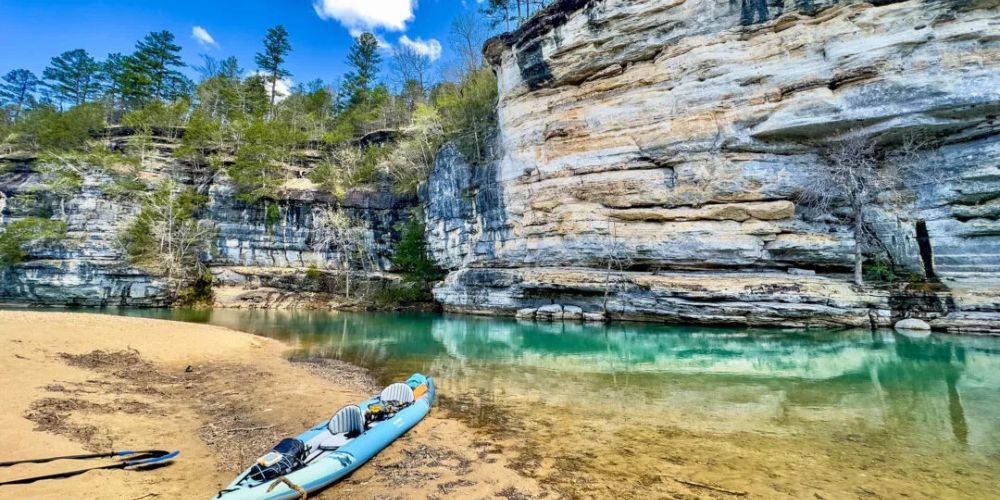
The Buffalo River is the kind of place people talk about for years after their first trip. The upper stretch runs past Big Bluff, one of the tallest bluffs in the eastern United States, and through Hemmed-In Hollow, where a waterfall drops into the river valley in a way that stops you mid-stroke. It's a moving-water paddle, so expect some current. It's not technical, but it commands your attention.
Cane Creek State Park in the southern part of the state offers a calmer, more easygoing experience on Cane Creek Lake. The lake setting is peaceful and shaded, and the park also has camping and fishing, so it works well as a base for a longer weekend. If you're introducing a child or a friend to kayaking for the first time, this is a solid place to do it.
DeGray Lake draws folks in with its sandy swimming beach and boat ramp, and kayaking fits naturally into a full day there alongside swimming and time on the shore. Lake Ouachita's Brady Mountain area gives you a family-friendly campground right on the water with views that make the early morning launch worth every bit of effort. Both lakes sit in the Ouachita region, and the water on calm days is clear enough to watch the shoreline reflected back at you.
The Ouachita River Dragover Paddle Route loops in a horseshoe shape, making it a self-contained paddle that brings you back to where you started. That's a practical detail worth knowing if you're paddling without a shuttle. Bull Shoals-White River State Park in the Ozarks region rounds out the list with river access and scenery that makes the drive north feel worth it.
Where to Paddle in Arkansas
This one is for the women who want more than a morning on the water. The Lower Mississippi Water Trail covers 101 miles of the Mississippi River through Arkansas, starting at Helena Harbor and running to Choctaw Island. Camping stops at Island 62 and Smith Point break the journey into manageable sections. It's a multi-day expedition, and it earns that description.
Helena, Arkansas has its own story to tell. The city sits on the Mississippi and carries deep roots in the history of the Delta, from the Civil War to the birth of the blues. Paddling out of Helena Harbor means starting your trip with a real sense of place. The river here is wide and slow-moving, and the flatwater stretches give you long, unhurried hours to take it in.
This route is best suited to women with some paddling experience and a comfort level with multi-day trip planning. If that's you, it's one of the more memorable water journeys you can take in the South.
Guided Kayak Tours Worth Knowing About
37 North Expeditions runs guided kayak tours in Northwest Arkansas with expert local guides, and they include snacks and drinks in the price. You can book a half-day tour that runs three to four hours or commit to a full-day option at eight to ten hours. For a first-time paddler or anyone who just wants to show up and enjoy the water without doing all the logistics themselves, that kind of support changes the whole experience.
Arkie Cypress River Excursions offers guided tours specifically noted for welcoming all skill levels, and no prior experience is required to join. That's not a small thing. Knowing you won't be the only beginner on the water, and that someone knowledgeable is leading the way, takes the edge off for folks who are curious but not yet confident.
Northwest Arkansas has developed a real culture around outdoor recreation, and these tour operators are part of that. The University of Arkansas at Fayetteville has even published a beginner's guide to kayaking in the region, which points to how seriously the area takes getting people on the water. If you're new to paddling and want to start in a place with infrastructure and community behind it, the northwest corner of the state is a good first stop.
Flatwater vs. Moving Water: What to Expect on Arkansas Waterways
Arkansas gives you both, and knowing which you're signing up for makes a real difference in how you prepare. Flatwater paddling, which you'll find on lakes like Cane Creek, DeGray, and Lake Ouachita, is forgiving and calm. The water is often glassy in the morning before the wind picks up, and you can set your own pace without worrying about current or reading the river ahead of you. This is where most beginners start, and for good reason.
Moving water on a river like the Buffalo or the Ouachita introduces current, occasional rocks, and the need to look ahead and plan your line. It's not necessarily harder, but it's different. The river does some of the work for you, and your job shifts from pure effort to attention and steering. Many women find river paddling more engaging once they've spent a little time on flatwater first.
Bluff Landing on the Arkansas River offers a middle ground. It sits on an oxbow off the main Verdigris River channel, which means you get access to calm backwater without being dropped directly into a busy river. It's also noted as excellent for fishing from a kayak, if that's part of your plan. The water there tends to be still and easy to read.
Gear Tips for Paddling in Arkansas
Arkansas's climate runs warm to hot through most of the paddling season, and the sun on open water is intense. A paddle-specific sun shirt or a lightweight long-sleeve layer does more for you than sunscreen alone on a long day out. Quick-dry fabric matters here. Cotton holds moisture and stays damp for hours in the heat.
The basics are non-negotiable: a kayak, a paddle, a properly fitted life vest, and a whistle or horn. That list comes straight from Northwest Arkansas's own beginner's guide, and it aligns with Arkansas regulations. Before you head out, check local and state rules for the specific waterway you're paddling. Requirements can vary by location, and it's worth a quick look before you launch.
A dry bag protects your phone, keys, and anything else that can't get wet. On a lake paddle this feels optional until the moment it isn't. Water shoes or sandals with a heel strap keep your footing on slippery launches and give you something sturdy if you need to step out and wade. Pack more water than you think you need. The Arkansas heat will sort that out for you.
Essential Gear for Arkansas
-
![Athmile barefoot water shoes for women for kayaking and water activities]()
Athmile Barefoot Water Shoes for Women
Affordable water shoes with a wide toe box, great for getting in and out of a kayak on Arkansas riverbanks. Quick-dry design keeps you comfortable all day.Check Today's Price -
![Breakwater Supply Fogland waterproof submersible backpack for kayaking and boating]()
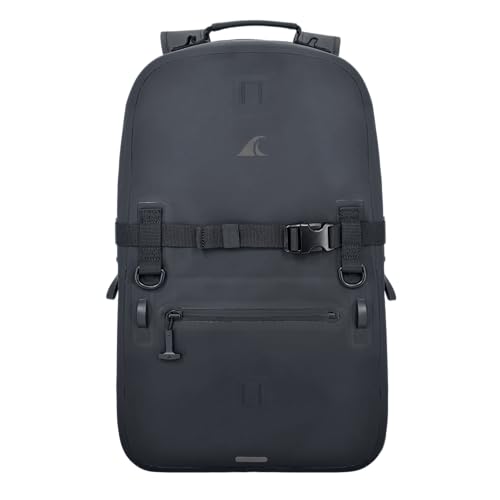
Breakwater Supply Fogland IP68 Waterproof Backpack
A fully submersible 25L backpack with airtight zippers and a laptop sleeve. Keeps your gear dry on the water, rated IP68 for submersion. Made from TPU.See Current Price

List of Services
-
Camping in Arkansas Find the best camping in Arkansas for women, beginners, and families. Top sites, gear tips, and planning advice. Start your Arkansas trip today.Camping in Arkansas
-
Cycling in Arkansas Discover Arkansas's best cycling trails for women, beginners, and families. Find top rides, gear tips, and when to go. Start planning your trip today.Cycling in Arkansas
-
Hiking in Arkansas Find the best hiking trails in Arkansas for beginners and families. Top spots, gear tips, and when to go. Start planning your Arkansas hike today.Hiking in Arkansas
-
Kayaking in Arkansas Find Arkansas's best kayaking spots, gear tips, and guided tours. Perfect for beginners and families. Start planning your paddle trip today.Kayaking in Arkansas