
Kayaking in Nevada: Desert Water, Canyon Walls, and Paddles Worth Taking
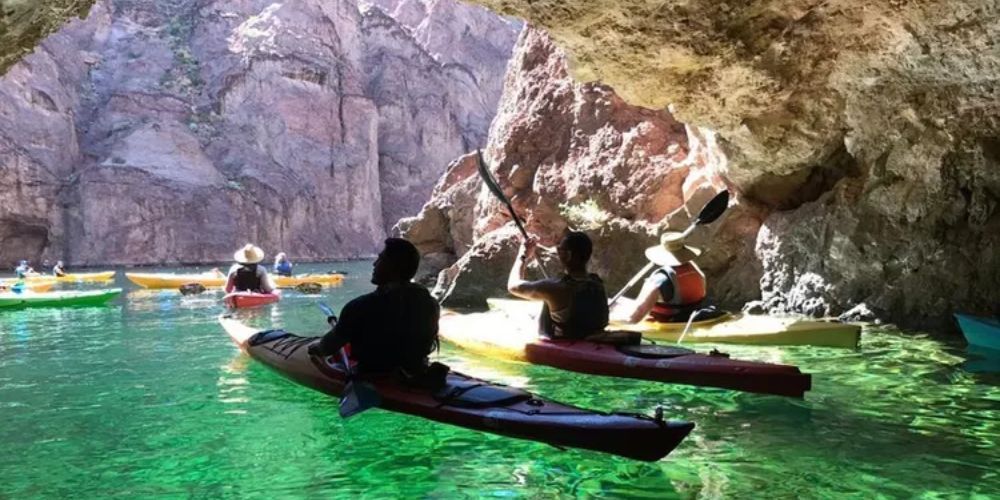
Lake Mead is where a lot of people start, and for good reason. It's one of the most serene kayaking destinations near Las Vegas, with wide-open water that can look like glass on a calm morning. Boulder Beach Campground inside Lake Mead National Recreation Area has a dedicated Canoe and Kayak Beach, which means you're not fighting for launch space with jet skis or motorboats. Staying at the campground puts you right on the water, and waking up to that kind of quiet in the middle of the desert is its own reward. The Spring Mountains National Recreation Area is another option worth knowing about, especially if you're looking to escape the valley heat. This high-altitude spot has beach access and a boat ramp with kayak and canoe access, making it a solid choice for a summer day when the desert floor feels unbearable. The elevation alone changes everything: cooler air, cooler water, and a pace that feels genuinely unhurried. For those who want a more dramatic setting, Emerald Cave and Black Canyon offer guided paddle tours launching from Willow Beach. Tours run with a maximum of 12 guests per guide, so the experience stays personal. Operators like Blazin' Paddles offer guided tours as well as rentals with shuttle service, which is a practical detail worth bookmarking if you don't want to coordinate your own logistics.
Where to Put In: Nevada's Best Kayaking Spots
The Colorado River paddle from Hoover Dam to Willow Beach is 12 miles of some of the most striking canyon scenery you'll find on a kayak. It runs through the Black Canyon of the Colorado River and is described consistently as a two-day adventure, which means an overnight is part of the experience. The route ends at Willow Beach, which also serves as the starting point for guided day tours heading toward Emerald Cave. Starting at Hoover Dam adds real weight to the trip. The dam is one of the most significant feats of American engineering, completed in 1936 during the Great Depression and built by thousands of workers under grueling desert conditions. Paddling away from it, into the canyon, gives you a sense of scale that photos can't quite capture. The canyon walls close in, the water runs quiet, and the modern world recedes quickly. If a two-day paddle sounds like a big commitment, the Moon Scape Kayak and Hike Route near Boulder City offers a more manageable introduction to this kind of terrain. It's a 2.6-mile out-and-back route classified as moderately challenging, and most folks complete it in around 55 minutes. It combines kayaking with hiking, so it works well if you're introducing a younger kid or a friend who isn't sure how much paddling she wants to do.
When to Go Kayaking in Nevada
Nevada's desert climate means summer heat is a real factor, and the smart move is to plan around it rather than fight it. High-altitude spots like Spring Mountains National Recreation Area are specifically highlighted as heat-escape destinations, making them a reliable summer option when lower elevations are sweltering. On the water, mornings tend to be calmer and cooler, which matters both for comfort and for that glassy surface that makes paddling feel easy. The Colorado River routes through Black Canyon hold up well across seasons, though conditions and tour availability can shift, so checking with operators like Blazin' Paddles or Desert Adventures before you book is always worth the extra step. They run full-day and half-day tours and can give you current conditions from someone who's been out there recently. Whatever the season, Nevada's tourism guidance is clear: wear your PFD every time you're on the water, avoid fast-moving rivers if you're not experienced with moving water, and don't go out in dangerous conditions. The desert can be unforgiving, and the water here is no exception. That's not a reason to stay home. It's just a reason to be prepared.
Flatwater vs. Moving Water: What to Expect in Nevada
Most of Nevada's beginner-friendly kayaking happens on flatwater, and that's a good thing. Lake Mead offers wide, calm stretches where you can focus on paddling technique and scenery without worrying about current. The dedicated Canoe and Kayak Beach at Boulder Beach Campground makes it easy to get in and out without stress, which matters when you're new to the water or bringing someone who is. The Colorado River routes through Black Canyon involve moving water, but they're manageable for most casual paddlers on a guided tour. Guided options through operators like Blazin' Paddles include shuttle service, so you don't need to worry about logistics or experience you don't yet have. The Moon Scape Kayak and Hike Route near Boulder City sits in the moderately challenging range, meaning it's a real workout without being technical or dangerous for someone in reasonable shape. The combination of paddling and hiking in that route also gives you a natural break from the water, which a lot of first-timers find reassuring. Moving water on the Colorado is calm enough through the canyon sections that guided tours are considered accessible. If you're paddling on your own without a guide, stick to flatwater until you know how your body handles the rhythm of a kayak.
The History Paddling Through Black Canyon
Hoover Dam sits at the northern end of the 12-mile Colorado River paddle, and it sets a tone before you ever dip a blade in the water. Completed in 1936, it was the largest dam in the world at the time of its construction, and it reshaped the entire Southwest by taming the Colorado River and creating Lake Mead. The Black Canyon you paddle through today was shaped by that same geological and human history. As you move south from the dam toward Willow Beach, the canyon walls tell a story that goes back far longer than the 1930s. This stretch of the Colorado was a travel corridor for Indigenous peoples long before it became a recreational route. Guided tours in the area keep groups small, with a maximum of 12 guests per guide, which means you're not moving through history in a crowd. That intimacy matters. You notice more. You feel the scale of the canyon differently when it's quiet.
Essential Gear for Nevada

Athmile Women's Barefoot Water Shoes for Kayaking
Gear Tips for Kayaking in Nevada's Desert Climate
Nevada paddling gear starts with sun protection and works outward from there. The desert sun reflects off the water and hits you from both directions, so a broad-brimmed hat, UV-blocking sun shirt, and polarized sunglasses are non-negotiable on any paddle here. Sunscreen on exposed skin, reapplied often, is just part of the routine. Water is the second priority. Bring more than you think you need. Desert heat accelerates dehydration faster than most people expect, and on a two-day route like the Black Canyon paddle, your resupply options are limited. A dry bag or waterproof case for your phone, keys, and anything you can't afford to get wet is worth buying before your first trip. The Colorado River and Lake Mead can be calm, but unexpected splashes happen. A properly fitted PFD is required on all Nevada waterways and emphasized specifically by the state's own paddling guidance. Don't treat it as optional. Buy one that fits your body correctly, wear it every time you're on the water, and if you're shopping with a daughter, get her sized for her own. A borrowed or ill-fitting life jacket is not the same thing. For guided tours through operators like Blazin' Paddles or Desert Adventures, equipment is typically provided or available for rental, which keeps your upfront gear investment low when you're just starting out.
List of Services
-
Camping in Nevada Find Nevada's best campgrounds for women, beginners, and families. Real details on top sites, permits, and gear. Start planning your trip today.Camping in Nevada
-
Cycling in Nevada Discover Nevada's best cycling routes for women and families. Find top trails, gear tips, and when to go. Start planning your ride today.Cycling in Nevada
-
Hiking in Nevada Discover Nevada's best hiking trails for beginners and families. Find top spots, gear tips, and when to go. Start planning your Nevada hike today.Hiking in Nevada
-
Kayaking in Nevada Discover Nevada's top kayaking spots, gear tips, and when to go. Plan a real trip to Lake Mead, Black Canyon, and more. Start paddling Nevada today.Kayaking in Nevada