
Where to Camp in Alabama: Real Sites, Honest Advice, and a Few You'll Want to Book First
Oak Mountain State Park is one of the most talked-about campgrounds in the state, and for good reason. It has a reputation for being safe, well-maintained, and genuinely affordable. Tent camping runs $23 per night on weekends and $20 per night on weeknights, which is a reasonable rate for a park with this level of upkeep. If you're new to camping and want somewhere that feels approachable before you venture into more remote terrain, start here.
The Sipsey Wilderness draws a different kind of camper, one who wants to earn the site a little. The Borden Creek Trail is a 5.1-mile out-and-back route that AllTrails describes as relaxed yet engaging. It's a solid choice for a first backcountry experience because it's manageable without feeling too tame. The trail runs through the Sipsey Wilderness, which offers 10 curated camping routes in total.
Cheaha Wilderness is another destination worth knowing. It also has 10 documented camping trails available through AllTrails, with hand-curated maps and detailed reviews from folks who've been there. The terrain is different from Sipsey, so if you end up loving one, the other gives you a reason to come back. Both reward the effort you put in to get there.
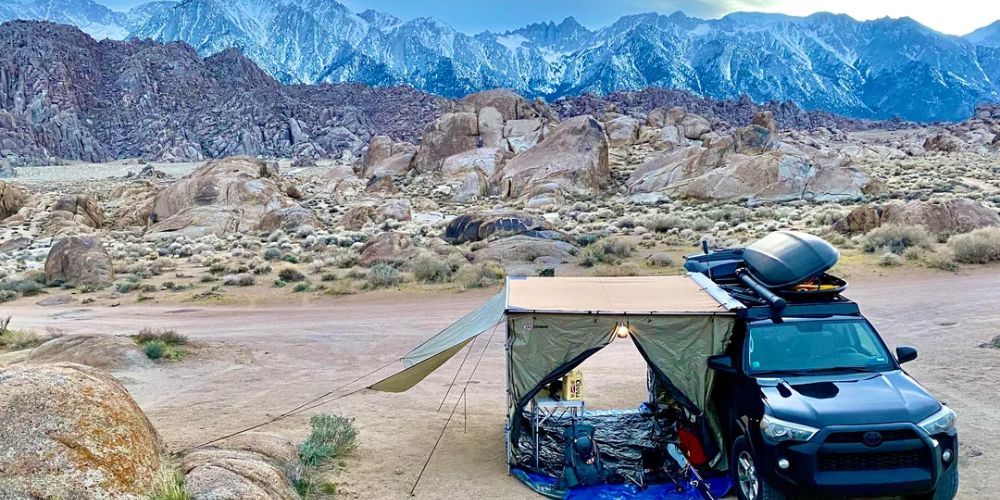
Where Alabama Campers Actually Go
Gunter Hill Campground sits on the Alabama River Lakes and is one of the more comfortable options in the state for campers who want water nearby without giving up amenities. The campground has 142 sites with electric hookups, and sites 1 through 75 have been newly renovated with concrete pads and sewer hookups. That's a meaningful upgrade if you're camping with a trailer or just want a more stable setup.
One of the best things about Gunter Hill is that it's open year-round. Alabama's mild winters mean you can actually use that flexibility. A cool-weather weekend on the river, when the campground is quieter and the air is clear, is a different experience from a summer trip, and often a better one. Book through Recreation.gov and check site-specific details before you go.
The Alabama River itself has a long history in this state. It carried commerce and shaped communities for centuries before recreational camping became part of the landscape. Camping here puts you on the same water that's been central to Alabama's story for a long time. That context makes the view from a camp chair feel a little more grounded.
Cultural and Historic Connections
The Alabama Black Belt region takes its name from the dark, fertile soil that stretches across the central part of the state. That soil shaped Alabama's agricultural history and drew settlement, industry, and conflict that defined the region for generations. Today, the Black Belt is also an outdoor destination, with six state parks and more than 20 campgrounds and parks welcoming visitors for camping and other adventures.
Camping in the Black Belt isn't just about the sites. It's about moving through a landscape that carries real history. The region's outdoor offerings are part of a broader effort to bring travelers into communities that have a lot to share. When you camp here, you're spending time in a place that's working to tell its own story on its own terms.
Alabama Black Belt Adventures is the organization that coordinates outdoor programming across the region. Their website is a useful planning resource if you want to explore campgrounds beyond the well-known state parks. Going a little off the familiar path in this region tends to pay off.
Gear Tips for Alabama Camping
Alabama's summers are humid and warm, and that combination has a way of making cheap gear feel unbearable fast. A tent with good ventilation is worth prioritizing over one that's simply waterproof. You want airflow at night, especially in July and August when temperatures stay high after dark. A freestanding tent with mesh panels is your friend here.
Layering still matters in spring and fall, when Alabama mornings can be genuinely cool before the afternoon heats up. Pack a light fleece you can pull on at dawn and shed by 10 a.m. If you're camping near water, like at Gunter Hill, a packable rain layer is smart regardless of the forecast. River weather moves fast.
For trail camping in places like Sipsey or Cheaha, footwear matters more than most beginners expect. A trail shoe with grip and some ankle support will serve you better than sneakers on wet or rooted terrain. Trekking poles are worth trying if you're new to longer routes. The Borden Creek Trail at 5.1 miles is very doable, and poles make the second half easier on your knees.
Essential Gear for Alabama
-
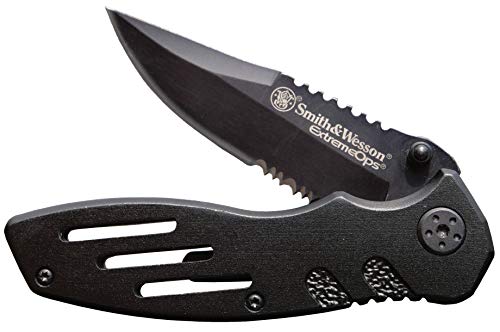
![Smith and Wesson Extreme Ops folding knife with serrated blade for outdoor and camping use]()
Smith & Wesson Extreme Ops Folding Knife, 7.1in
A compact folding knife with a 3.1in serrated clip point blade and aluminum handle. Good for camp tasks and everyday carry.See Current Price -
![Waestcia rechargeable heated gloves with touchscreen tips for winter outdoor and camping use]()
Waestcia Rechargeable Heated Gloves, Touchscreen
Electric heated gloves with touchscreen fingertips and a waterproof build. Rechargeable, so no need for disposable hand warmers.View on Amazon -
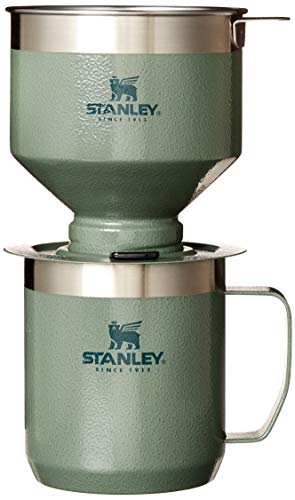
![Stanley Perfect Brew pour over coffee set with green insulated camp mug and reusable filter]()
Stanley Perfect Brew Pour Over Set, 12 oz Camp Mug
Make pour-over coffee at camp with this stainless steel set. Includes a reusable filter, insulated mug with lid, and is BPA-free.See Current Price -
![Sandsuced merino wool knee high ski socks in red blue and purple for cold weather]()
Sandsuced Merino Wool Ski Socks, 3 Pairs
Three pairs of knee-high merino wool socks in red, blue, and purple. Thick and warm for cold-weather camping or layering under tall boots. Size medium.View on Amazon -
![Anlisim merino wool hiking socks in tie-dye pattern for women for cold weather outdoor use]()
Anlisim Merino Wool Hiking Socks for Women, 5 Pairs
Five pairs of cushioned merino wool socks in a fun tie-dye print. Warm and thick, good for hiking or cold weather camping.View on Amazon



List of Services
-
Camping in Alabama Find Alabama's best campgrounds for women, beginners, and families. Real sites, gear tips, and planning advice. Start planning your Alabama camping trip today.Camping in Alabama
-
Cycling in Alabama Discover Alabama's top cycling trails for women and families. From Gulf State Park to Huntsville's greenways, find your route and start planning today.Cycling in Alabama
-
Hiking in Alabama Discover Alabama's best hiking trails for beginners and families. Top spots, gear tips, and when to go. Start planning your Alabama hike today.Hiking in Alabama
-
Kayaking in Alabama Find Alabama's best kayaking spots, gear tips, and when to go. Plan a real trip to calm lakes and scenic rivers. Start exploring today.Kayaking in Alabama