
Paddling Alabama: Calm Lakes, Wild Rivers, and the Best Spots to Launch Your Kayak
Start with Sipsey Fork if you want the most character. It's Alabama's only Wild and Scenic River, which is a federal designation that protects a waterway's free-flowing condition and natural quality. That status matters because it means the water here stays remote and pristine, the kind of place where you're more likely to hear a woodpecker than another paddler. It's a destination worth planning around.
Flint Creek Canoe Trail is a floating trail that meanders between AL-36 and US-31 along Flint Creek. The put-in is at Woodall's Bridge Park and the take-out is at Flint Creek Boat Ramp 31, so the logistics are straightforward. That kind of clear, point-to-point setup takes the guesswork out of your day. It's a solid choice if you want a real paddle without a lot of pre-trip planning stress.
Bear Creek Paddle Route is one of the more established routes on AllTrails for Alabama paddlers, supporting kayaking, canoeing, and paddleboarding. Before you go, double-check whether a permit is required for your visit, as requirements can vary. It's a quick step that saves headaches at the launch. The route has a steady following, which tells you something about the water.
For lake paddling, Florala Park and Lake Jackson offers a state park setting with calm water that suits beginners and kids well. Hardley Creek Park at West Point Lake has a dedicated kayak and canoe launch, plus paved walking trails if you want to stretch your legs after you're off the water. Lewis Smith Lake's Corinth Recreation Area sits on the upper part of the lake in Winston County, inside the National Forests in Alabama, and it's the kind of setting where the water can go glassy on a still morning.
Where to Paddle in Alabama
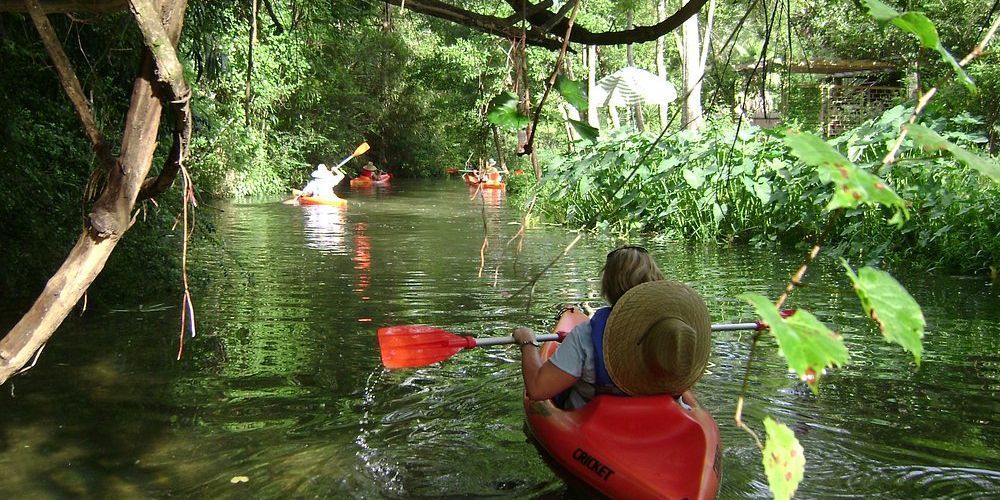
Alabama gives you both, and knowing which you're getting into helps you plan. Lake paddling at spots like Lake Jackson, West Point Lake, and Lewis Smith Lake tends to be calm and forgiving. The water is usually steady enough that a first-timer can find her footing without feeling overwhelmed. These spots are where a lot of people discover they actually love this.
River paddling on routes like Sipsey Fork and Flint Creek Canoe Trail means moving water, which has its own rhythm. Current does some of the work for you on a downstream run, but it also means you're always reading what's ahead. For beginners, the Flint Creek trail with its clear put-in and take-out points is a gentler introduction to river paddling than a more remote stretch.
Bear Creek accommodates paddleboards as well as kayaks and canoes, which signals that it's not a technical whitewater run. Think scenic float rather than adrenaline. That's the majority of Alabama kayaking, honestly. It's water meant to be enjoyed at an unhurried pace.
Permits and Practical Details Before You Go
Most of Alabama's paddling spots don't require advance permits, but Bear Creek Paddle Route is one where you should verify before you show up. Permit requirements can change, and it's worth a quick check on the managing agency's website before you pack the car. Five minutes of research saves a frustrating morning at the launch.
For spots within the National Forests in Alabama, like the Corinth Recreation Area on Lewis Smith Lake and the Clear Creek recreation area, check with the U.S. Forest Service for current access and fee information. Recreation areas on federal land can have day-use fees or seasonal closures. Calling ahead or checking recreation.gov before your trip is always a good move.
Hardley Creek Park at West Point Lake is managed through the U.S. Army Corps of Engineers and bookable through recreation.gov. The kayak and canoe launch there is a dedicated facility, which means you're not scrambling for a put-in. Know your take-out before you launch. That's the one rule that makes every river trip smoother.
Gear Tips for Kayaking in Alabama
Alabama summers are humid and hot, and the sun on open water is relentless. A lightweight, long-sleeve sun shirt does more for you than sunscreen alone. Look for UPF-rated fabric that dries quickly, because you will get wet, and staying comfortable in wet clothes matters more than people expect on a long paddle. A wide-brim hat that stays on in a breeze is worth its weight.
For flatwater lake paddling, a sit-on-top kayak is forgiving and easy to re-enter if you tip, which makes it a good fit for beginners and for paddling with kids. On a moving river like Flint Creek or Sipsey Fork, a sit-inside kayak keeps you drier in light current. Either way, a properly fitted personal flotation device is non-negotiable. Make sure it fits snugly before you launch, not when you're already on the water.
Bring more water than you think you need. Heat on the water sneaks up on you. A dry bag for your phone, keys, and anything you can't afford to soak is a small investment that earns its keep on the first trip. Water shoes or sandals with a back strap keep your footing steady at rocky launches and give you something to walk in when you get off the water.
Essential Gear for Alabama
-
![Athmile barefoot water shoes with wide toe box for kayaking and water activities]()
Athmile Hiking Barefoot Water Shoes for Women
Lightweight water shoes that slip on and dry fast, great for getting in and out of a kayak on Alabama riverbanks. Wide toe box for a comfortable fit.Check Today's Price -
![Costa Del Mar Rincon sunglasses in matte deep blue fade with blue mirrored lenses for watersports]()
Costa Del Mar Rincon Watersports Sunglasses
Polarized sunglasses made for bright water days. The blue mirrored 580G lenses measure 63mm, a solid choice for paddling sunny Alabama lakes and rivers.View on Amazon -
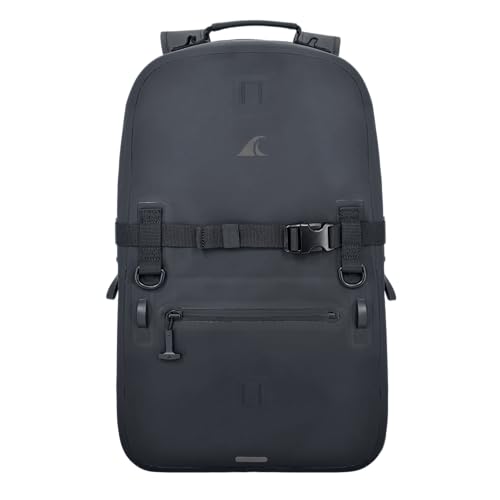
![Breakwater Supply Fogland waterproof backpack in stealth black for kayaking and boating]()
Breakwater Supply Fogland Waterproof Backpack 25L
A fully waterproof backpack with airtight zippers and a laptop sleeve. Keeps your gear dry on the water. Available in 25L with IP68 submersible rating.See Current Price


List of Services
-
Camping in Alabama Find Alabama's best campgrounds for women, beginners, and families. Real sites, gear tips, and planning advice. Start planning your Alabama camping trip today.Camping in Alabama
-
Cycling in Alabama Discover Alabama's top cycling trails for women and families. From Gulf State Park to Huntsville's greenways, find your route and start planning today.Cycling in Alabama
-
Hiking in Alabama Discover Alabama's best hiking trails for beginners and families. Top spots, gear tips, and when to go. Start planning your Alabama hike today.Hiking in Alabama
-
Kayaking in Alabama Find Alabama's best kayaking spots, gear tips, and when to go. Plan a real trip to calm lakes and scenic rivers. Start exploring today.Kayaking in Alabama