
Camping in Georgia: From the Blue Ridge Mountains to the Barrier Islands
Amicalola Falls State Park in Dawsonville is one of the most popular camping destinations in Georgia's state park system, and it earns that reputation. Sites here are known for ample space and privacy, which matters when you're camping with kids or a group of friends who need room to breathe. The park sits at the approach to the Appalachian Trail, so the energy here is mountain-serious but still welcoming to folks who just want to set up a tent and enjoy the trees. Campsites have a six-person occupancy standard, making them a solid fit for families or small groups.
Cloudland Canyon State Park, located at 122 Cloudland Canyon Park Rd, is another standout in the northern part of the state. The canyon itself is dramatic, with steep sandstone walls and two waterfalls accessible by trail. It's the kind of place that makes you stop mid-hike and just look. If you're introducing someone to camping for the first time, this park gives them something to remember.
Stone Mountain Park offers a different kind of experience, closer to Atlanta and more accessible for a first trip or a spontaneous weekend. It draws a lot of visitors, so expect company, but the surrounding landscape and the sheer scale of the granite outcrop make it worth it. The Blue Ridge area in north Georgia rounds out the mountain options, with multiple trail-connected camping opportunities that AllTrails has mapped and reviewed for hikers at every pace.
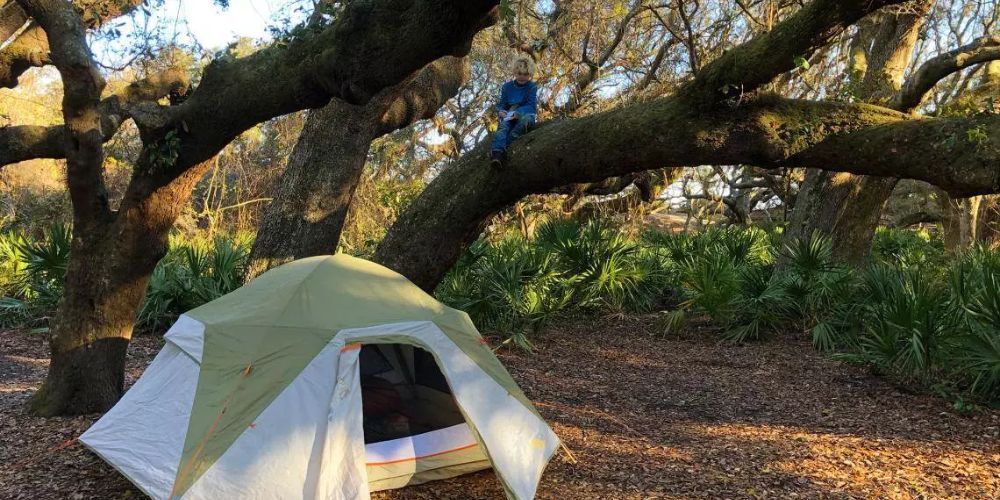
Where Georgia Campers Actually Go
The Chattahoochee-Oconee National Forest covers a wide stretch of Georgia and includes several campgrounds bookable through recreation.gov. Two that consistently get strong reviews are Andrew's Cove Campground and Cooper Creek Campground. Andrew's Cove runs $12 to $18 per night and holds a 4.0-star rating from 33 reviews. It's a quieter option, better suited for folks who want fewer neighbors and more forest.
Cooper Creek Campground is the more reviewed of the two, with a 4.2-star rating from 181 reviews and nightly rates of $8 to $15. That price point is hard to beat, especially for a well-regarded site in a national forest. Reviews are a good sign that this one delivers consistently, not just on paper.
Morganton Point Campground, also within the Chattahoochee-Oconee National Forest, offers tent and RV camping with several walk-in sites reserved for tents only. Some sites at Morganton Point are available first-come, first-served, which gives you flexibility if you're the spontaneous type. Reservations for other sites can be made through recreation.gov, so check availability before you head out.
Water Access and Lakeside Sites
Hartwell Lake offers some of the best lakeside camping in the state, with 8 campgrounds and 11 day-use facilities in the project area. These campgrounds are managed by the US Army Corps of Engineers, a federal program that has been shaping public recreation access across the country since the mid-1800s. That history means these sites are well-maintained and built around the water, not just near it. Reservations can be made through recreation.gov.
Lakeside camping has a different rhythm than mountain camping. Mornings on the water are calm in a way that's hard to describe until you've sat with a cup of coffee watching the surface go still. Hartwell Lake delivers that. It sits on the Georgia-South Carolina border, so the views stretch wide and the sunsets tend to be worth staying up for.
For tent campers specifically, the walk-in sites at Morganton Point also sit near water, tucked inside the national forest. First-come, first-served availability means these fill up on summer weekends, so arriving early or going mid-week gives you the best shot at a quiet site.
Camping the Georgia Coast and Barrier Islands
Georgia has 13 barrier islands with hundreds of miles of shoreline, and several of them offer camping that feels unlike anything you'll find in the mountains. Six of these islands are highlighted as top coastal camping destinations, each with its own personality and access situation. Some require ferry transport or advance planning, which is part of what makes them feel like a real escape.
Coastal camping means falling asleep to the sound of the ocean and waking up to shorebirds instead of alarm clocks. It also means humidity, salt air, and the kind of heat that calls for an early start on any walking you want to do. Pack accordingly and go in the shoulder seasons if you can. The experience is worth the planning.
Explore Georgia's guide to camping on the Georgia coast is a reliable starting point for sorting out which islands suit your group best. Access, permits, and availability vary by island, so checking current details before your trip is a good habit.
Cultural and Historic Connections
The campgrounds at Hartwell Lake carry more history than most people realize when they pull in and start unloading gear. The US Army Corps of Engineers has managed water resources and public recreation in Georgia for generations, and Hartwell Lake is one of their signature projects in the Southeast. The lake itself was created by the Hartwell Dam, completed in 1962, as part of a broader federal effort to manage the Savannah River watershed. When you camp here, you're using infrastructure that was built for the public and has been in continuous use for decades.
Amicalola Falls State Park sits at the southern approach to the Appalachian Trail, one of the most storied long-distance trails in the country. The trail's history stretches back to the 1920s, when Benton MacKaye first proposed a footpath running the length of the Appalachian Mountains. Camping at Amicalola puts you at the very beginning of that story, even if you're only staying for a weekend. There's something grounding about that.
Georgia's barrier islands also carry deep history, from Indigenous peoples who lived along the coast for thousands of years to Spanish missions established in the 1500s and 1600s. Camping on or near these islands connects you to a layered past that most visitors never think to look for.
Essential Gear for Georgia

Amazon Basics 35-Inch Rolling Duffel Bag

Yaktrax Walk Traction Cleats for Snow and Ice

Saphirose Women's Long Hooded Rain Jacket

Carhartt Adjustable Sling Bag, Water Resistant
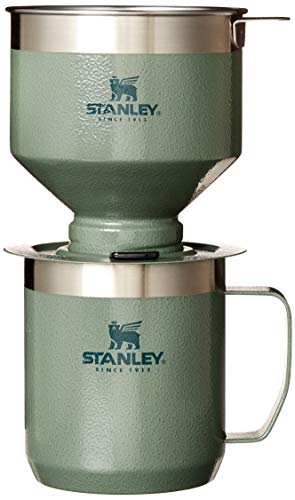
Stanley Perfect Brew Pour Over Set, 12 oz
Gear Tips for Camping in Georgia
Georgia camping spans a wide range of terrain and climate, which means your gear list shifts depending on where and when you're going. In the mountains of north Georgia, nights can get genuinely cold even in late spring and early fall. A sleeping bag rated for temperatures lower than you expect is always the smarter call. Layering is your best strategy up north.
On the coast, the challenge flips. Heat and humidity are the main concerns, and bug protection becomes non-negotiable. A good tent with strong mesh panels, quality insect repellent, and lightweight, breathable clothing will carry you further than anything else. A small battery-powered fan can make a significant difference on hot coastal nights.
For campgrounds in the Chattahoochee-Oconee National Forest and state parks, a quality headlamp, a reliable camp stove, and a water filter or purification tablets are practical priorities. Georgia state parks have standard amenities at most campgrounds, but it's worth checking the specific park before you assume there's a water hookup or shower facility at your site. Knowing what's there before you arrive makes the whole trip easier.
List of Services
-
Camping in Georgia Find Georgia's best camping spots, from mountain forests to coastal islands. Real tips, top sites, and gear advice. Start planning your trip today.Camping in Georgia
-
Cycling in Georgia Discover Georgia's best cycling trails for women and families. Find top routes, gear tips, and events. Start planning your Georgia ride today.Cycling in Georgia
-
Hiking in Georgia Discover Georgia's best hiking trails for beginners and families. Find top spots, seasonal tips, and gear advice. Start planning your Georgia hike today.Hiking in Georgia