
Your Guide to Cycling in Georgia: Trails, Islands, and the Rides Worth Planning Around
The Silver Comet Trail in Northwest Georgia is one of those rides that earns its reputation. It's a rails-to-trails route, meaning it follows the old Silver Comet railroad corridor, which once connected Atlanta to Birmingham starting in 1947. The surface is paved, the grade is gentle, and it's consistently listed as one of the top places to ride in the state. It draws bicycle tourists and casual riders alike, and for good reason. It's the kind of trail where you can set your own pace and just breathe.
The Atlanta BeltLine is a different experience entirely. It's urban, lively, and winds through neighborhoods that didn't used to connect. The trail is paved and popular, which means you'll share it with runners, strollers, and other cyclists, but that energy is part of the appeal. It's a great pick if you want to ride and then stop somewhere for lunch without getting back in a car.
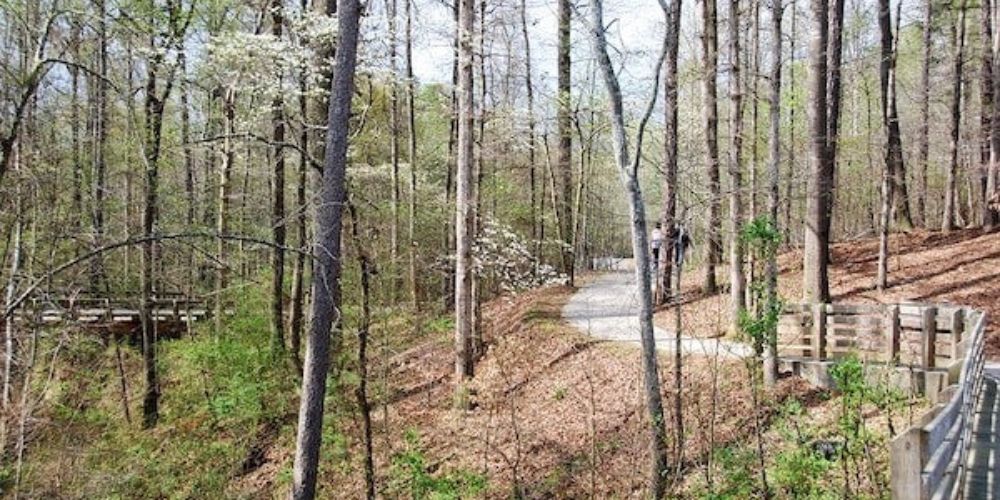
Panola Mountain State Park, southeast of Atlanta, offers a more natural setting for riders who want trees around them instead of city blocks. Jekyll Island and St. Simons Island on the Georgia coast are two of the most appealing options in the state for a relaxed, scenic ride. The island trails are flat, the air smells like salt, and the pace is naturally unhurried.
Where Georgia Cyclists Actually Go
Jekyll Island has a dedicated trail system that's popular with bicycle tourists visiting the Georgia coast. The island is state-owned, which keeps the feel of it quiet and open. You're riding through maritime forest and past marsh views, with the Atlantic not far off. It's the kind of place where you're not rushing to see the next thing because what's right in front of you is already good.
Jekyll Island itself has a layered history worth knowing. In the late 1800s and early 1900s, it was a private retreat for some of the wealthiest families in America, including the Vanderbilts and the Rockefellers. Today it's a public destination, and the trails that wind across the island feel like a reward for that shift. Riding here is genuinely peaceful.
St. Simons Island is another coastal option with a more town-centered feel. The riding is easy and flat, and the island has enough going on that you can make a full day of it. Both islands are worth considering if you're planning a trip to the Georgia coast and want cycling to be a real part of it, not an afterthought.
Urban Riding and the Atlanta BeltLine
The Atlanta BeltLine started as an idea in a graduate thesis in 1999. It proposed converting 22 miles of old railroad corridors surrounding Atlanta's core into a loop of trails, parks, and transit. The trail portions that exist today are among the most-used paths in the city. Riding it gives you a view of Atlanta that you simply don't get from a car.
For a first-time rider in Atlanta, the BeltLine is a strong choice. The surface is smooth, the route is well-marked, and there are access points throughout the city. You'll pass murals, green spaces, and stretches where the trees close in enough to feel like you've left the city behind for a moment. Then a coffee shop appears and you remember where you are.
It's also a trail that works well for a mixed group. If you're bringing along a daughter who's a newer rider, or a friend who wants to test the waters before committing to a longer trail, the BeltLine gives everyone room to find their comfort level without pressure.
Georgia's Organized Cycling Culture and Events
BRAG, which stands for Bike Ride Across Georgia, has been a fixture of the state's cycling community for decades. The organization runs multi-day bike tours that cross different parts of Georgia, giving riders a supported way to see the state by bike over several days. For someone who's been curious about longer-distance riding, a BRAG tour is one of the most approachable ways to try it. You're not out there alone.
BRAG also highlights one-day classic events, which are shorter organized rides that give you the community feel of a tour without the multi-day commitment. These are good entry points. You show up, you ride with other people, and you go home the same day.
Six Gap is one of the more well-known rides on the BRAG calendar. It's a challenging mountain cycling event in North Georgia, named for the six mountain gaps it crosses. It's not aimed at beginners, but knowing it exists tells you something about the range of cycling culture in this state. Georgia has riders who train for serious events and riders who just want to pedal along the coast, and the infrastructure supports both.
Gear Tips for Riding in Georgia
Georgia's climate is the first thing to think about when you're packing for a ride. Summers are hot and humid, which means breathable, moisture-wicking layers matter more than anything technical or specialized. A lightweight cycling jersey and padded shorts will carry you through most warm-weather rides. Bring more water than you think you need. Heat on a Georgia trail in July is serious.
For coastal rides on Jekyll Island or St. Simons, a hybrid or cruiser-style bike works well. The trails are flat and paved, and you don't need a performance road bike to enjoy them. If you're renting on the island, that's usually what's available anyway. Comfortable saddle, good grip on the handlebars, and a basket if you want to stop and pick up something along the way.
For the Silver Comet Trail, a hybrid or road bike is a solid choice given the longer, paved surface. A helmet is non-negotiable anywhere you ride. Sunscreen and sunglasses matter on open stretches where there's little shade. A small saddle bag with a patch kit, a tire lever, and a hand pump saves the day more often than people expect, especially on longer trail rides away from trailheads.
Essential Gear for Georgia

Moreok Waterproof Winter Cycling Gloves
Finding Trail Maps and Planning Your Route
AllTrails has hand-curated maps for Georgia's road biking routes, rails-to-trails options, and bike touring paths, all with user reviews that give you a real sense of current conditions. It's a practical first stop when you're deciding between trails or trying to figure out if a route is appropriate for your group. The reviews from other riders are honest and specific in a way that general descriptions often aren't.
For organized rides and event-based planning, the BRAG website is the most direct resource. It lists upcoming tours, registration information, and route details for multi-day and one-day events. Georgia Bikes covers the broader infrastructure picture, including which municipal and regional trail systems are most developed for cycling tourists. Between these three sources, you can build a full trip plan without guessing.
If you're bringing a daughter or a friend who's newer to cycling, look at trail ratings before you commit to a route. Rails-to-trails conversions like the Silver Comet are generally well-suited to newer riders because the grade is manageable and the surface is consistent. Island trails are similarly forgiving. Save the gap rides for when everyone in your group is ready for more.
List of Services
-
Camping in Georgia Find Georgia's best camping spots, from mountain forests to coastal islands. Real tips, top sites, and gear advice. Start planning your trip today.Camping in Georgia
-
Cycling in Georgia Discover Georgia's best cycling trails for women and families. Find top routes, gear tips, and events. Start planning your Georgia ride today.Cycling in Georgia
-
Hiking in Georgia Discover Georgia's best hiking trails for beginners and families. Find top spots, seasonal tips, and gear advice. Start planning your Georgia hike today.Hiking in Georgia