
Camping in Hawaii: Where to Go, How to Permit, and What to Pack
Hawaii's campgrounds don't all look the same, and that's the point. You can set up a tent in a jungle clearing, on a grassy bluff above the ocean, or in the shadow of a volcanic crater. The range across the islands is real, and choosing the right setting for your trip makes all the difference.
Oahu alone has at least 25 campgrounds available for reservation, which surprises most people who picture the island as all resorts and surf competitions. Those campgrounds span the island's coastlines and inland areas, and AllTrails has mapped 10 of the best camping trails there if you want to pair a hike with your overnight stay. It's one of the more accessible islands for first-time campers in Hawaii because the logistics, from grocery runs to gear shops, are easier to manage.
On Maui, Kipahulu Campground inside Haleakala National Park sits in one of the park's most remote and lush sections, tucked near the Pipiwai Trail and the Oheo Gulch pools. Sites are numbered 1 through 15, and each one allows up to two vehicles and six people. You're limited to 3 nights within any 30-day period, so plan your Maui itinerary around that window. Book through Recreation.gov well in advance, especially for any trip between spring and fall.
Hawaii Volcanoes National Park on the Big Island is open for overnight and day use year-round, which makes it one of the most flexible options in the state. Backcountry camping here requires a permit through Recreation.gov, and a use limit system controls how many people are out there at any given time. That limit is a feature, not a frustration. The landscape you're walking through is actively shaped by the earth, and experiencing it without crowds is something you'll think about for a long time after.
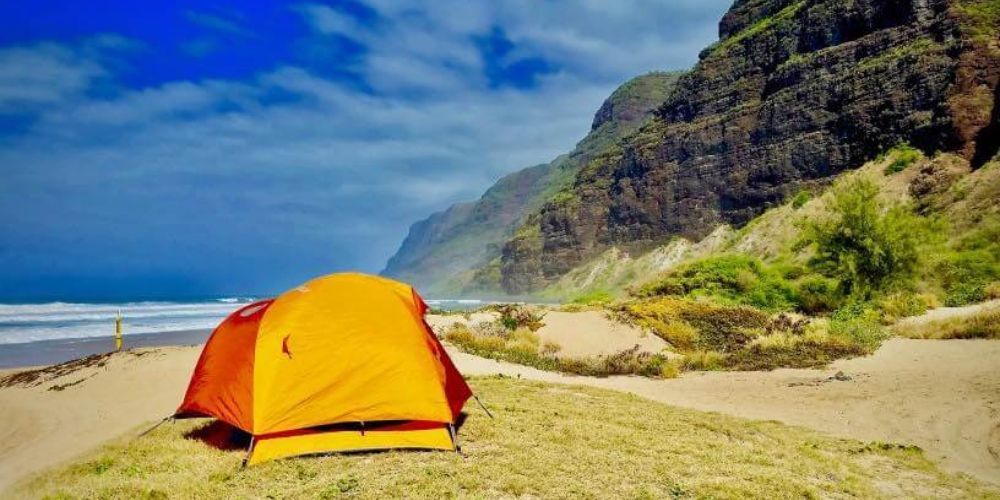
Where Hawaii Campers Actually Go
Every campsite in Hawaii requires a legal permit. This isn't a suggestion or a formality that some people skip. Rangers check, and camping without a permit can result in fines and removal from the site. Getting your permits squared away before you land is the single most important logistical step in planning a Hawaii camping trip.
For Hawaii State Parks across all islands, reservations are made online through the Hawaii Department of Land and Natural Resources, the DLNR Division of State Parks. Their site walks you through availability by island and park, and you'll purchase your permit there directly. Check their FAQ section for any current restrictions or advance booking windows, as those details can shift.
For national park campgrounds and backcountry sites, Recreation.gov is where you go. Kipahulu Campground at Haleakala and the backcountry permit system at Hawaii Volcanoes National Park are both booked through that platform. Recreation.gov covers more than 3,600 facilities across the country, so if you're not already familiar with it, it's worth creating an account before permits for your dates open up. Some sites release months in advance and go quickly.
If you're camping with a group or planning a mother-daughter trip, confirm your headcount before you book. Kipahulu limits each site to six people and two vehicles. Knowing those details ahead of time saves you from scrambling to adjust plans after the reservation is made.
Gear Tips for Camping in Hawaii
Hawaii's climate feels forgiving until it isn't. The islands sit in the middle of the Pacific, and conditions shift fast depending on which side of the island you're on and how much elevation you're dealing with. The windward sides of most islands are wetter and cooler. Leeward sides are drier and sunnier. Elevation changes the equation entirely, especially around Haleakala, where nighttime temperatures can drop sharply even in summer.
A lightweight, waterproof rain jacket is non-negotiable. Pack it even if the forecast looks clear, because a passing shower can roll through in the time it takes to set up your tent. A freestanding tent with a solid rain fly is your best friend here. Hammock camping is popular in Hawaii's jungle settings, but if you're newer to camping, a tent gives you more control over your sleeping environment and keeps you off the ground in wet conditions.
Sun protection matters more than most people expect when they're camping rather than beach-sitting. You're outside for extended stretches, often at elevation or on exposed ridgelines. Bring a wide-brim hat, reef-safe sunscreen, and a lightweight long-sleeve layer for midday hiking. Those small choices add up over a multi-day trip.
For footwear, trail runners or waterproof hiking shoes handle the terrain well across most Hawaii campgrounds. If you're heading into the backcountry at Volcanoes National Park, the ground near active lava flows and hardened lava fields is uneven and abrasive on shoes. Sturdy soles matter there more than anywhere else on the islands.
Essential Gear for Hawaii

Sandsuced Merino Wool Knee High Ski Socks, 3 Pairs

Anlisim Merino Wool Hiking Socks, 5 Pairs
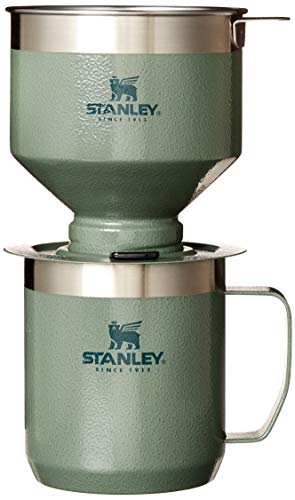
Stanley Perfect Brew Pour Over Set, 12 oz

Nike Brasilia 9.5 Training Duffel Bag, 95L

Saphirose Women's Long Hooded Rain Jacket
List of Services
-
Camping in Hawaii Plan your Hawaii camping trip with real advice on top sites, permits, and gear. From Maui to Oahu, start planning your adventure today.Camping in Hawaii
-
Cycling in Hawaii Discover Hawaii's best cycling routes for women and families. Coastal paths, volcanic roads, and guided tours await. Start planning your ride today.Cycling in Hawaii
-
Hiking in Hawaii Find Hawaii's best hiking trails for beginners, families, and solo adventurers. Top spots, gear tips, and permit info. Start planning your trip today.Hiking in Hawaii
-
Kayaking in Hawaii Discover Hawaii's best kayaking spots for women and families. Find top sites, gear tips, and when to go. Start planning your trip today.Kayaking in Hawaii