
Riding Hawaii: Coastal Paths, Volcano Roads, and Everything Between
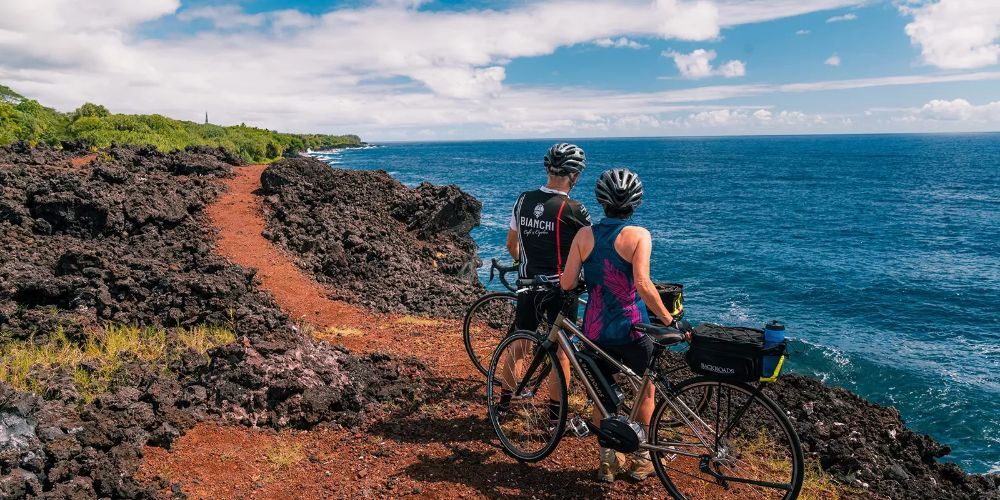
On Oahu's North Shore, the Ke Ala Pupukea Bike Path is 2.8 miles of coastal riding that runs along the Makai side of Kamehameha Highway. Makai is the Hawaiian directional word for ocean side, and locals use it the way mainlanders say north or south. It's a meaningful detail. You're not just riding near the water. You're oriented to it. The path is flat, accessible, and genuinely beautiful in that understated North Shore way. It's one of the easiest rides on the island and a solid choice if you're bringing younger riders along. For a longer Oahu challenge, the Hanauma Bay via Diamond Head loop covers 26.5 miles of moderate riding with coastal views and volcanic landscapes woven together. You'll pass some of the island's most iconic scenery without any of the crowd logistics that come with visiting those spots on foot. It rewards effort without punishing beginners who pace themselves. Oahu has enough road cycling variety that AllTrails lists 10 dedicated road biking routes on that island alone. The City and County of Honolulu publishes an official O'ahu Bike Guide with safety tips, maps, and local resources. Download it before you go. It's practical and free. On the Big Island, Crater Rim Drive inside Hawai'i Volcanoes National Park is open to cyclists, and it's one of the more singular rides you'll find anywhere. Riding past active volcanic landscapes on a bike, at your own pace, is a genuinely different experience. E-bikes are also permitted throughout all cycling-accessible areas of the park, which matters if you want the experience without the exertion of a climb.
Where to Ride: Hawaii's Best Cycling Routes by Island
If you're ready to push yourself, the Paia to Haleakala ride on Maui, known locally as Cycle to the Sun, is the hardest road biking route in the state. AllTrails rates it the most difficult in Hawaii, and the 4.8-star rating from 22 reviews tells you it's also one of the most rewarding. This is not a beginner ride. But it's worth knowing about, even if you're planning to work up to it. The climb to Haleakala summit is a long, sustained ascent from the coastal town of Paia, gaining significant elevation as you ride through changing landscapes and cloud layers. The top feels earned in a way that flat rides simply don't. If that kind of goal appeals to you, or to a daughter who's getting serious about road cycling, this one is worth putting on the list.
Guided Tours and Rainforest Riding on Oahu
Bike Hawaii runs guided tours on Oahu that take cyclists through rainforests, with options that pair biking with hiking to waterfalls and snorkeling. It's the kind of day that covers a lot of ground without feeling rushed. Guided tours are a genuinely smart choice for first-timers in Hawaii. You get local knowledge about road conditions, seasonal quirks, and the kind of context that makes a landscape feel like more than scenery. If you're visiting with a daughter or a friend who's newer to cycling, a guided experience removes a lot of the planning pressure. You show up, you ride, someone else handles the logistics. For the Big Island, LifeCycle Adventures offers a self-guided bike tour that covers day-by-day routes, restaurant suggestions, and points of interest. It's structured enough to feel supported but flexible enough to feel like your own adventure. That balance is hard to find, and it makes solo or small-group travel feel a lot more manageable.
What the Terrain Actually Feels Like
Hawaii is not flat. That's the honest truth, and it's worth knowing before you pack. The coastal paths on Oahu, like the Ke Ala Pupukea Bike Path, are gentle and accessible. But rides like the Diamond Head loop introduce elevation changes, and anything heading toward volcanic highland areas on the Big Island or Maui involves real climbing. Road surfaces vary by island and by route. Some coastal paths are smooth and well-maintained. Others require more attention. The heat and humidity are real factors, especially if you're riding mid-day in summer. Most experienced riders on the islands start early, before 9 a.m., to beat the worst of the heat. Wind can also be a variable, particularly on Oahu's windward coast, where it can shift quickly. None of this should discourage you. It should help you plan a ride that actually feels good from start to finish.
Cultural and Historic Connections Along the Way
Cycling in Hawaii puts you in contact with the land in a way that driving simply doesn't. The Ke Ala Pupukea Bike Path, for example, uses the Hawaiian directional term Makai to describe its position relative to the road. That word reflects a traditional Hawaiian system of navigation that orients people by their relationship to the ocean and the mountains rather than compass points. Makai means toward the sea. Mauka means toward the mountains. You'll hear both terms used casually on the islands, and understanding them changes how you experience the landscape. It's not just a path by the water. It's a path positioned in relationship to the ocean, the way Hawaiians have understood this land for centuries. Hawai'i Volcanoes National Park adds another layer of historical and geological weight to a cycling trip. The park sits on land shaped by ongoing volcanic activity, and Crater Rim Drive passes through terrain that has literally changed within living memory. Riding through it is a reminder that this land is still forming.
Essential Gear for Hawaii

Moreok Waterproof Windproof Winter Cycling Gloves
Gear Tips for Cycling in Hawaii
Hawaii's heat and sun are the two biggest factors to plan around. A lightweight, moisture-wicking jersey will serve you far better than a cotton shirt, which holds sweat and causes chafing on longer rides. Sun protection is not optional here. UV exposure is intense, especially at higher elevations. A quality cycling cap under your helmet, sunscreen rated SPF 50 or higher, and UV-blocking sunglasses are worth bringing on every ride. Hydration matters more than you think it will. Bring more water than feels necessary, especially on routes without easy stopping points. A hydration pack or a bike with two bottle cage mounts gives you flexibility. If you're renting bikes locally, confirm what's included, because racks, bags, and accessories vary widely between rental shops. For the Crater Rim Drive and any volcanic terrain rides, a windbreaker or light packable jacket is worth carrying. Temperatures can drop as you gain elevation, and the volcanic landscape offers little shelter from wind. A small seat bag with a tube, tire levers, and a multi-tool is standard road cycling preparation anywhere, and Hawaii is no exception.
List of Services
-
Camping in Hawaii Plan your Hawaii camping trip with real advice on top sites, permits, and gear. From Maui to Oahu, start planning your adventure today.Camping in Hawaii
-
Cycling in Hawaii Discover Hawaii's best cycling routes for women and families. Coastal paths, volcanic roads, and guided tours await. Start planning your ride today.Cycling in Hawaii
-
Hiking in Hawaii Find Hawaii's best hiking trails for beginners, families, and solo adventurers. Top spots, gear tips, and permit info. Start planning your trip today.Hiking in Hawaii
-
Kayaking in Hawaii Discover Hawaii's best kayaking spots for women and families. Find top sites, gear tips, and when to go. Start planning your trip today.Kayaking in Hawaii