
Where to Camp in Idaho: Real Spots, Honest Advice, and How to Get There
Idaho's state parks are a solid starting point, especially if you're newer to camping or bringing someone who is. Bear Lake State Park, near St. Charles in southeastern Idaho, is one of the most recommended stops in the state. The lake water runs a striking turquoise color, an effect of suspended limestone particles that makes it look almost tropical. It draws both tent campers and RV folks, and the setting feels far more remote than it actually is.
Bruneau Dunes State Park sits in the high desert of southwestern Idaho and gives you something you won't find anywhere else in the region. It's home to some of the tallest single-structured sand dunes in North America. Camping here means waking up to that open, sandy horizon, and spending an evening watching the light shift across the dunes as the sun goes down. The contrast between desert stillness and a full sky of stars above makes it one of those nights you keep coming back to.
Castle Rocks State Park in south-central Idaho draws campers who want to be close to dramatic granite spires without committing to a technical climb. The rock formations have been used as trail markers for travelers since the days of the California and Oregon Trail emigrants who passed through this corridor in the 1800s. You're camping inside actual history here. That context makes it feel different from a typical state park weekend.
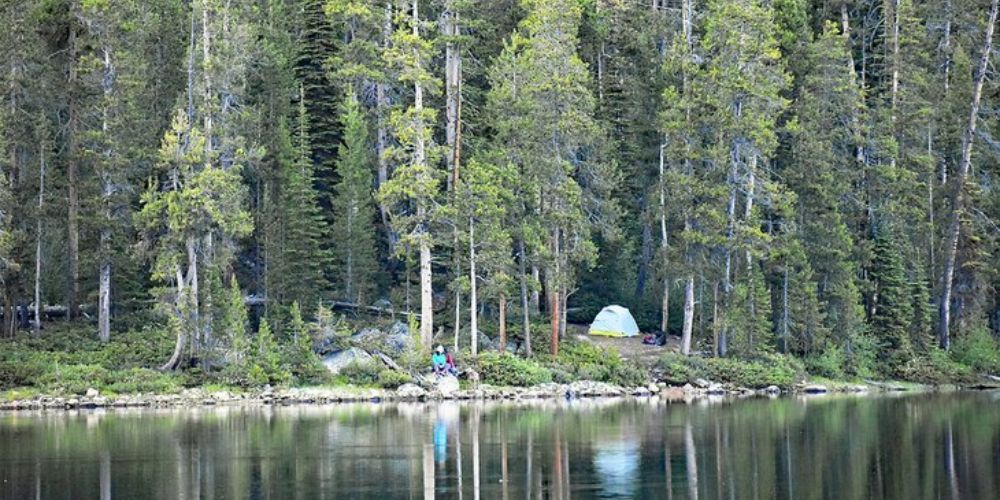
Where Idaho Campers Actually Go
The Idaho Panhandle National Forests stretch across the northern part of the state and hold 34 campgrounds you can reserve directly through Recreation.gov. That's a significant number of options in one forest system, ranging from developed sites with amenities to quieter spots deeper in the trees. AllTrails also lists the top camping trails within the forest for those who want to combine hiking with their overnight stay.
Devils Elbow Campground sits within the Idaho Panhandle National Forests and has 20 campsites total, including a group site that accommodates up to 50 people. If you're planning a trip with a larger circle of friends or a multi-family outing, that group site is worth a serious look. Water is available on-site from a hand pump. It's a simple setup, and that simplicity is part of the appeal.
The forest itself feels dense and cool in a way that southern Idaho does not. Coming from a warm, dry summer elsewhere in the state, the Panhandle feels like a different world. The trails near these campgrounds move through old-growth timber, and mornings tend to be quiet in the best possible way.
Camping Near Idaho City and Central Idaho Trails
Idaho City sits in the Boise Basin and has a camping and trail culture that goes back to the gold rush era of the 1860s, when it was one of the largest cities in the Pacific Northwest. The trails and campgrounds around the area carry that history in the land itself. AllTrails curates trail maps and campsite directions for the Idaho City area, making it practical to find a spot and navigate without guessing.
Central Idaho's terrain shifts quickly here, from forested ridges to open meadows to creek crossings. The variety keeps a two-night trip feeling full. If you're planning your first overnight with a daughter or a friend who's skeptical about sleeping outside, this area gives you enough trail access and visual payoff to make a convert.
Recreation.gov is your best tool for booking sites in this region. Reservations fill on the earlier side during summer weekends, so getting in a few weeks ahead is a real advantage.
How to Book a Campsite in Idaho
Idaho State Parks uses a reservation system for all campsite bookings. The system was recently updated to make the process more straightforward, and you can search by park name or region to find available dates. Booking in advance is strongly recommended for summer weekends and holiday periods.
For national forest campgrounds, including all 34 bookable sites in the Idaho Panhandle National Forests, Recreation.gov is the official platform. You can filter by campground type, accessibility, and available dates. The site also includes permits for certain areas, so it's worth checking whether your destination requires one before you go.
Recreation.gov also offers trip planning tools and reviews from other campers. Reading those before you book gives you a real picture of what a site is actually like, not just what the official description says. That kind of ground-level detail matters when you're making decisions for yourself or for a group.
Gear Tips for Camping in Idaho
Idaho camping spans desert heat, mountain cold, and northern forest rain, sometimes in the same trip. Layering is not optional here. A warm base layer and a packable insulated jacket earn their space in your bag even in July, especially at elevation or in the Panhandle where temperatures drop significantly at night.
Footwear matters more in Idaho than in many other states because the terrain changes so fast. A pair of trail shoes with solid grip handles most state park and forest campground access roads and short hiking trails. If you're planning to log real mileage on the trails around your campsite, a mid-height waterproof hiking boot gives your ankles more support on rocky or rooted ground.
For camp-specific gear, a quality sleeping pad makes a noticeable difference in how you sleep and how your body feels the next morning. It's the piece most beginners skip, and it's the one they wish they hadn't. A headlamp with a red-light mode is also worth having, especially if you're camping with kids or sharing a tent. It keeps the camp functional after dark without disturbing anyone's eyes or sleep.
Essential Gear for Idaho

Anlisim Merino Wool Hiking Socks, 5 Pairs
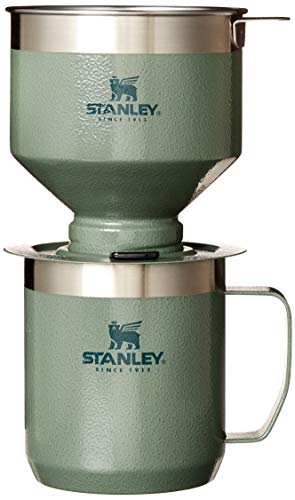
Stanley Perfect Brew Pour Over Set, 12 oz

Amazon Basics 35-Inch Rolling Duffel Bag

Carhartt Adjustable Sling Bag, Water Resistant

Fmeida 65L Foldable Duffle Bag with Shoe Pocket
List of Services
-
Camping in Idaho Find Idaho's best campgrounds for beginners, families, and solo women. Real spots, gear tips, and how to book. Start planning your Idaho camping trip today.Camping in Idaho
-
Cycling in Idaho Find Idaho's best cycling trails for women, beginners, and families. Top routes, gear tips, and when to go. Start planning your ride today.Cycling in Idaho
-
Hiking in Idaho Discover Idaho's best hiking trails for beginners and families. Find top spots, gear tips, and when to go. Start planning your Idaho adventure today.Hiking in Idaho
-
Kayaking in Idaho Discover Idaho's best kayaking spots for women and families. Find top routes, gear tips, and when to go. Start planning your paddle trip today.Kayaking in Idaho