
Idaho Trails Worth Lacing Up For: A Woman's Guide to Hiking the Gem State
Idaho has 435 family-friendly hikes listed on AllTrails, which means you're not stuck choosing between too hard and too boring. There's real range here, and plenty of it is accessible if you're just getting started or bringing someone who is. The Idaho Panhandle National Forest alone offers at least 13 easy trails suited for families, with varied terrain and elevation options so you can ease in or push a little further depending on the day. It's one of the more forgiving places in the state to find your footing.
Jump Creek Falls Trail is the kind of hike that earns its reputation without asking too much of you. It's rated easy, and you can hike to the falls, walk up to the Falls Overlook, or just settle in near the rock crevices and the stream for a picnic. Swimmers can also enjoy the water at Jump Creek, which makes it a natural choice if you're spending a full day out with kids or friends who want options. The rock walls along the creek have a way of making the whole place feel a little hidden, even when other folks are around.
Castle Rock State Park rounds out a solid beginner list with a 4.5-mile roundtrip hike that's considered worth the drive by people who've made it. It's not a quick lap around a pond. It gives you something to work toward and enough terrain to feel like you actually went somewhere. For a first real hike with a daughter or a friend who's new to the trail, it strikes a good balance.
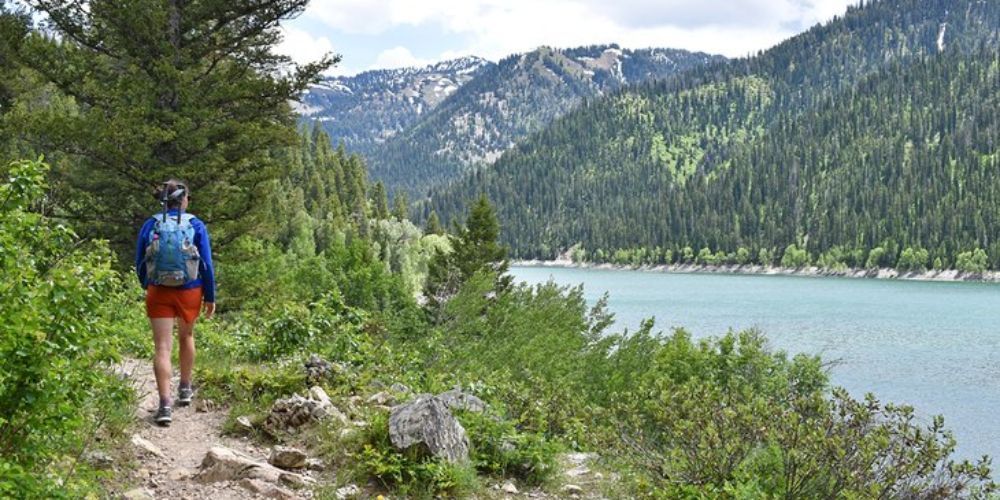
Where to Start: Idaho's Best Trails for Beginners and Families
Idaho's landscape shifts more than most states, and that matters when you're choosing a trail. You might spend a morning on a canyon path with a stream threading alongside you, and an afternoon looking at high mountain ridgelines with almost no shade in sight. The White Clouds Wilderness Area is a good example of that contrast. It's described as mountainous and dry, and the elevation makes itself known. The wilderness supports hiking, fishing, hunting, and equestrian use, which tells you something about the scale and seriousness of the terrain.
For trails near the Stanley and Sawtooth area, elevation and exposure are real considerations. These are not beginner-by-default trails, though the area has strong local guide services and published trail maps specifically to help visitors navigate it well. The Sawtooth/White Cloud, Idaho Trail Map and Guide, published by Adventure Maps, Inc., is a recommended resource you can buy online or pick up locally before you go. Having a physical map in your pack is never a bad idea in backcountry terrain.
Easy trails like Jump Creek Falls and the Panhandle forest routes keep the terrain accessible without sacrificing scenery. But if you're planning to move into more remote areas, going with a guide your first time is a reasonable call, not a sign you're not ready.
Cultural and Historic Connections on Idaho Trails
The Lewis and Clark National Historic Trail passes through Idaho, and hiking any part of it puts you on ground that Meriwether Lewis and William Clark crossed in the early 1800s. From sections of this trail, you can take in views of the Lemhi Valley and the surrounding mountain ranges, scenery that has been described as some of the finest in America. There's something grounding about standing in a valley that explorers looked across more than two centuries ago, when maps of this place barely existed. It changes how you move through a landscape.
The Stanley and Sawtooth region carries its own sense of history, shaped by generations of people who have guided, explored, and built lives in one of Idaho's most remote settings. Sawtooth Mountain Guides, based near Stanley, offers guided hiking along with climbing, backcountry skiing, and avalanche education. Sun Valley has its own guide service, Sun Valley Mountain Guides, operating out of Sturtevants of Sun Valley, serving both locals and visitors. These aren't just logistics providers. They're part of a long tradition of people who know this land and want to share it responsibly.
Gear Tips for Hiking in Idaho
Idaho's terrain and climate ask more of your gear than a lot of states do, especially if you're moving between the lower canyon hikes and anything at elevation. Layering is non-negotiable in the mountains. Even in summer, temperatures in areas like the White Clouds or Sawtooth wilderness can shift quickly, and exposed ridgelines cool down fast once the sun drops. A lightweight insulating layer and a packable wind shell earn their weight every time.
For footwear, a trail runner or light hiking boot works well on easier paths like Jump Creek Falls. If you're heading into the Sawtooth or White Clouds backcountry, a supportive mid-height boot with real ankle stability is worth it. Dry terrain means dust, loose rock, and the occasional scramble over uneven ground. Traction matters more than you might expect.
Sun protection is something Idaho hikers underestimate, especially at altitude. High elevation means stronger UV exposure, and the dry air means you may not notice how quickly you're losing hydration. Sunscreen, a hat with a brim, and more water than you think you need are the three things most folks wish they'd brought more of. A paper or waterproof trail map for the Sawtooth and Stanley area is worth adding to your pack before you leave the trailhead.
Essential Gear for Idaho
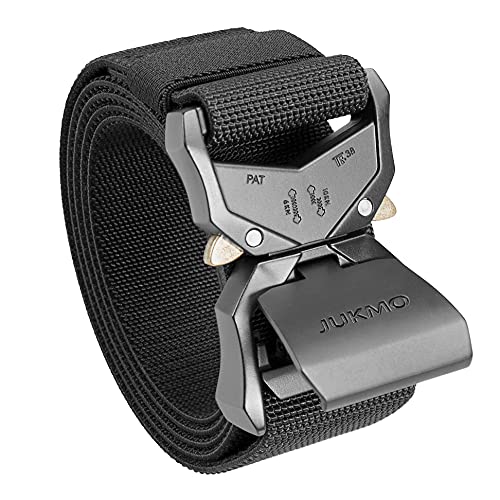
Jukmo Tactical Belt with Quick Release Buckle

The North Face Borealis Commuter Backpack

Yaktrax Walk Traction Cleats for Snow and Ice

Carhartt Classic Sling Bag, Water Resistant

The North Face Jester Everyday Backpack
List of Services
-
Camping in Idaho Find Idaho's best campgrounds for beginners, families, and solo women. Real spots, gear tips, and how to book. Start planning your Idaho camping trip today.Camping in Idaho
-
Cycling in Idaho Find Idaho's best cycling trails for women, beginners, and families. Top routes, gear tips, and when to go. Start planning your ride today.Cycling in Idaho
-
Hiking in Idaho Discover Idaho's best hiking trails for beginners and families. Find top spots, gear tips, and when to go. Start planning your Idaho adventure today.Hiking in Idaho
-
Kayaking in Idaho Discover Idaho's best kayaking spots for women and families. Find top routes, gear tips, and when to go. Start planning your paddle trip today.Kayaking in Idaho