
Camping in Maryland: Wild Horses, Mountain Air, and Sites Worth the Drive
Maryland State Parks offer six distinct camping options, ranging from traditional tent sites to cabin stays. That variety matters when you're planning with a daughter who wants to sleep in a sleeping bag but you're not quite ready to give up a roof. Cabins are a real entry point for first-timers, and the state park system makes booking straightforward.
Deep Creek, New Germany, and Rocky Gap State Parks are consistently recommended for summer tent camping. They sit at higher elevations in western Maryland, which means cooler temperatures even in July and August. Water access is easy at all three, so you're never far from a lake or stream when the afternoon heats up.
Swallow Falls State Park is another option worth knowing about. It's in the same western corner of the state, tucked into Garrett County, and the camping there puts you close to one of the quietest stretches of forest in Maryland. Mornings there feel unhurried in the best way.
If you're closer to the DC suburbs and want something quick and accessible, Greenbelt Campground inside Greenbelt Park is a practical choice. Each campsite includes a picnic table and fire ring. There's also a dedicated Youth and Organized Groups campsite that stays open year-round, which makes it a solid pick for scout troops or school groups.
Where Maryland Campers Actually Go
Hart-Miller Island Campground sits near Fort Howard, Maryland, and it's the kind of place that filters out the casual visitor by nature of how you get there. The trail on the island is a 1.9-mile loop, easy by any measure, averaging about 32 minutes to complete. What makes it memorable is the setting: a sandbar island in the Chesapeake Bay where the water surrounds you and the pace of the day slows way down.
It's listed on AllTrails with seven reviews, which tells you it's not overrun. That's part of the appeal. You're not sharing the experience with crowds. The loop is gentle enough for most fitness levels, and the views out over the Bay are calm and wide.
For a mom looking for something a little different to show her kid, this one delivers. It's not a typical campground, and that's the point.
When to Go Camping in Maryland
Summer is the most popular season, and for good reason. The mountain parks in western Maryland, including Deep Creek, New Germany, and Rocky Gap, offer a real escape from city heat. Temperatures run cooler at elevation, and water access keeps things comfortable. If you're planning a summer trip, book early. Sites at popular state parks fill up fast.
Spring and fall are worth serious consideration, especially if you prefer fewer people and more color. Maryland's forests turn in October, and the cooler air makes hiking to your site feel easier and more rewarding. Fall camping at Greenbelt or in the western parks has a particular quality to it, the kind of quiet that summer crowds prevent.
Assateague Island is a year-round destination, though summer brings the most visitors. Spring and fall visits can feel almost private by comparison. Winter camping on the island is possible for experienced campers who are prepared for wind and cold off the Atlantic.
Wild Horses and the Atlantic Shore: Assateague Island
Assateague Island National Seashore stretches 37 miles along the Atlantic Coast, shared between Maryland and Virginia. It's one of the few places in the eastern United States where you can camp within earshot of the ocean and wake up to find a wild horse standing twenty feet from your tent. That's not a figure of speech. The horses are feral, and they roam freely across the island.
The horses have lived on Assateague for centuries. Local legend holds that they arrived as survivors of a Spanish shipwreck, though historians point to 17th-century colonial landowners who grazed livestock on the island to avoid mainland taxes. Either way, they've been here a long time, and watching them move along the beach at low tide is one of those sights that stays with you.
Reservations for the national seashore campground can be made through Recreation.gov. If you're planning a trip with a daughter, this one tends to make an impression. The combination of ocean, wildlife, and open sky is the kind of thing kids remember.
Backpacking for Women Ready to Push Further
AllTrails lists ten backpacking trails in Maryland for those ready to move beyond car camping. The Dahlgren Camp to Bear Spring Cabin route via the Appalachian Trail is the most popular and most challenging of the group. It holds a 4.6-star rating from 602 reviews, which is a strong signal that it delivers on what it promises.
This trail isn't for beginners, and it's honest about that. The difficulty rating is there for a reason. But for a woman who has car camped a few times and wants to know what it feels like to carry everything she needs on her back, the Appalachian Trail in Maryland is a genuine next step. The western section of the trail here runs through some of the most scenic ridge terrain in the state.
If you're building toward a backpacking trip, start with an overnight at one of the state park campgrounds first. Get comfortable with the gear, the routine, and the sounds of sleeping outside. Then look at the AT route when you're ready.
Essential Gear for Maryland
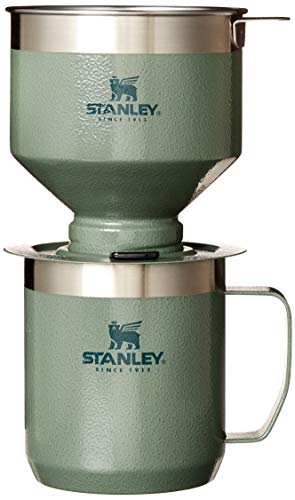
Stanley Perfect Brew Pour Over Set, 12 oz Mug

Anlisim Merino Wool Hiking Socks for Women, 5 Pairs

Yaktrax Walk Traction Cleats for Snow and Ice

Carhartt Soft Shell Camping Cooler Lunch Bag
Gear Tips for Camping in Maryland
Maryland's camping conditions shift significantly depending on where and when you go. Western mountain parks run cool even in summer, so a sleeping bag rated for temperatures in the low 50s is a smart call even for July trips. At Assateague Island, wind is the variable to plan around. A low-profile tent with solid stake points handles the shore far better than anything dome-shaped and light.
For summer camping in the state parks, layers are more useful than a single heavy piece. Mornings in the mountains can be genuinely cold, and afternoons warm up fast. A moisture-wicking base layer, a fleece, and a packable rain shell covers most of what Maryland will throw at you between May and October.
If you're camping with a daughter, invest in her own sleeping bag sized for her. A bag that fits well makes a cold night manageable and keeps the experience positive. Good footwear matters too. Trail runners handle the easy loops at places like Hart-Miller Island without any trouble, but if you're heading toward the Appalachian Trail, a low hiking boot with ankle support is worth the upgrade.
Sunscreen and insect repellent are non-negotiable at Assateague. The island's mosquitoes and biting flies are significant, especially in summer. Come prepared, and you'll enjoy the place far more.
List of Services
-
Camping in Maryland Discover Maryland's best camping spots for women and families. Find top sites, gear tips, and when to go. Start planning your trip today.Camping in Maryland
-
Cycling in Maryland Discover Maryland's best cycling trails and routes for women and families. Find top rides, gear tips, and how to plan your trip. Start exploring today.Cycling in Maryland
-
Hiking in Maryland Discover Maryland's best hiking trails for beginners and families. Find top spots, gear tips, and when to go. Start planning your trip today.Hiking in Maryland
-
Kayaking in Maryland Discover Maryland's best kayaking spots for women and beginners. Top sites, gear tips, and when to go. Start planning your paddle trip today.Kayaking in Maryland