
Cycling in Maryland: From Canal Towpaths to Bay-Shore Roads
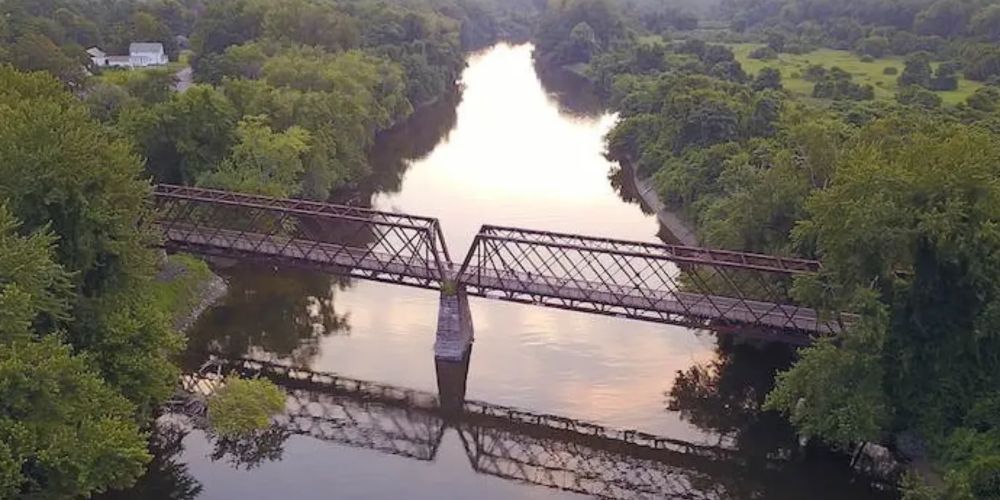
The C&O Canal Towpath is the anchor of cycling in Maryland. It follows the old Chesapeake and Ohio Canal route along the Potomac River, offering forest shade and river views on a mostly flat, unpaved surface. The canal itself dates back to the early 1800s, built to carry coal from the Allegheny Mountains to Georgetown, and you can still see the old lockhouses and stonework as you ride. It's a trail with real history under your wheels.
The Maryland Eastern Shore is a different kind of ride. The terrain is flat and the roads are quiet, with wide-open sky and a pace that feels genuinely unhurried. AllTrails maintains a curated list of Eastern Shore cycling routes with trail maps and driving directions, which makes it easy to plan before you leave home. It's the kind of place where you stop to look at something and realize twenty minutes have passed.
Wilderness Voyageurs, one of the organized tour operators active in Maryland, builds routes that connect the C&O Canal Towpath to the shores of Chesapeake Bay. Those two landscapes together give you a real sense of the state. One day you're under a canopy of trees following a river. The next you're riding with salt air coming off the water.
Where Maryland Cyclists Actually Go
Rail trails are a reliable starting point for newer riders. They're flat by design, since old railroad grades don't climb steeply, and they're usually paved or well-packed. AllTrails lists 10 of the best rail trails in Maryland, each with hand-curated maps, driving directions, photos, and rider reviews. That combination of detail takes a lot of the guesswork out of planning.
For riders comfortable on pavement, AllTrails also lists 10 top road biking trails in Maryland with the same level of mapped detail. These routes take you through some of the state's smaller towns, and that's where the cultural side of cycling in Maryland really shows up. Riding through a town's main street at bike pace is completely different from passing through in a car. You catch the names of things. You notice the architecture. You might stop for lunch.
Tour rides in Maryland typically run between 20 and 45 miles, with longer distances available if you're ready for more. For a casual day ride, staying on the shorter end of that range gives you time to stop, explore, and still feel good at the end. That's the sweet spot for most folks on a weekend trip.
How to Tap Into Organized Tours
If you'd rather let someone else plan the route, read the maps, and sort out the logistics, organized bike tours are a solid option. Wilderness Voyageurs and Discovery Bike both operate tours in Maryland, and registration is available directly through their websites. These tours are built around the state's signature routes, including the C&O Canal Towpath and the Chesapeake Bay shore.
Organized tours are worth considering if you're riding with someone who's newer to cycling or if you want the experience of a guided trip without doing all the research yourself. They also tend to build in stops at towns and historic sites along the way, which adds a layer to the trip that a solo ride doesn't always include. The history of the C&O Canal, for example, lands differently when someone's there to point out what you're looking at.
For folks who want a completely commitment-free introduction, there's a free two-hour bike loan program in Potomac, Maryland, available on weekends and holidays. It costs nothing, and it's a low-stakes way to ride a section of trail without traveling with your own gear. That kind of access matters, especially if you're trying out cycling for the first time or introducing a daughter to it.
Planning Your Ride: Maps and Resources
Bike Maryland maintains a road map of the state that includes bike routes and trail systems across all regions. If you want a physical map rather than a screen, you can order municipal, county, and regional maps by calling (410) 545-8747. Having a paper map on a ride is not a bad idea, especially on longer routes where cell service can be inconsistent.
The Maryland Department of Transportation also supports local biking infrastructure through grant and fund programs, which means trail quality and signage in the state tend to be reasonably maintained. That matters when you're navigating a new route and counting on the markers to be accurate. It's the kind of behind-the-scenes investment that makes a real difference on the ground.
Before any ride, check AllTrails for current conditions and recent reviews on your specific trail. Rider reviews often flag things that official listings don't, like a muddy section after rain or a stretch of road that's temporarily closed. A few minutes of research before you leave the car can save a lot of frustration mid-ride.
Gear Tips for Cycling in Maryland
Maryland's terrain covers a real range, and your gear should reflect where you're actually going. The C&O Canal Towpath is unpaved in most sections, so a hybrid bike or a bike with slightly wider tires handles it better than a road bike with thin tires. Eastern Shore road rides are a different story. Pavement-friendly bikes work well there, and the flat terrain means you won't need a heavy gear spread.
A well-fitted helmet is non-negotiable, and it's worth investing in one that fits correctly rather than grabbing whatever's available. Beyond that, padded cycling shorts make a significant difference on any ride over an hour, even on flat ground. If you're new to them, you'll understand why regular cyclists treat them as essential after your first longer ride.
Maryland summers are humid and warm, so moisture-wicking layers and sun protection matter more than you might expect, even on a partly cloudy day. Carry more water than you think you'll need, especially on the Eastern Shore where shade can be sparse. A small handlebar bag or a hydration pack keeps your hands free and your essentials close without slowing you down.
Essential Gear for Maryland

Moreok Waterproof Winter Cycling Gloves

CRZ Yoga Butterluxe Biker Shorts 4 Inch
List of Services
-
Camping in Maryland Discover Maryland's best camping spots for women and families. Find top sites, gear tips, and when to go. Start planning your trip today.Camping in Maryland
-
Cycling in Maryland Discover Maryland's best cycling trails and routes for women and families. Find top rides, gear tips, and how to plan your trip. Start exploring today.Cycling in Maryland
-
Hiking in Maryland Discover Maryland's best hiking trails for beginners and families. Find top spots, gear tips, and when to go. Start planning your trip today.Hiking in Maryland
-
Kayaking in Maryland Discover Maryland's best kayaking spots for women and beginners. Top sites, gear tips, and when to go. Start planning your paddle trip today.Kayaking in Maryland