
Paddling Maryland: Creeks, Coastlines, and the Quiet You Didn't Know You Needed
Corker's Creek Blackwater Canoe and Kayak Trail is one of those routes that rewards slow paddling. The creek meanders through a canopy of cypress trees, and the water tends to run calm and shadowed, which is exactly what you want on a warm day. Turtles sun themselves on logs, birds move through the branches above you, and the whole thing feels genuinely unhurried. It's the kind of paddle you describe to a friend and she immediately asks when you're going back. The Patapsco River Paddle Route offers a different feel, moving water with more open sky above. Kayaking, canoeing, and paddleboarding are all permitted on this route, and it's a solid choice if you want a little more current beneath you. Check permit requirements before you launch on either the Corkers Creek or Patapsco routes, as they may apply. Assateague Island National Seashore stretches 37 miles along the Atlantic Coast of Maryland and Virginia, and approaching it by water puts you in a completely different relationship with the island. The wild horses Assateague is known for roam the shoreline, and seeing them from a kayak, at water level, is something a photo doesn't fully capture. It's a more exposed paddle than the inland creeks, so plan your timing and conditions carefully. Muskrat Park in St. Michaels is worth noting for folks who want a more accessible entry point into Chesapeake Bay paddling. St. Michaels is a charming waterfront town, and combining a paddle with lunch or an afternoon walk around the harbor makes for a full, easy day. Purse State Park and Palmer State Park round out the state park options for kayakers, both connected to Maryland's broader paddle sports network across multiple waterways.
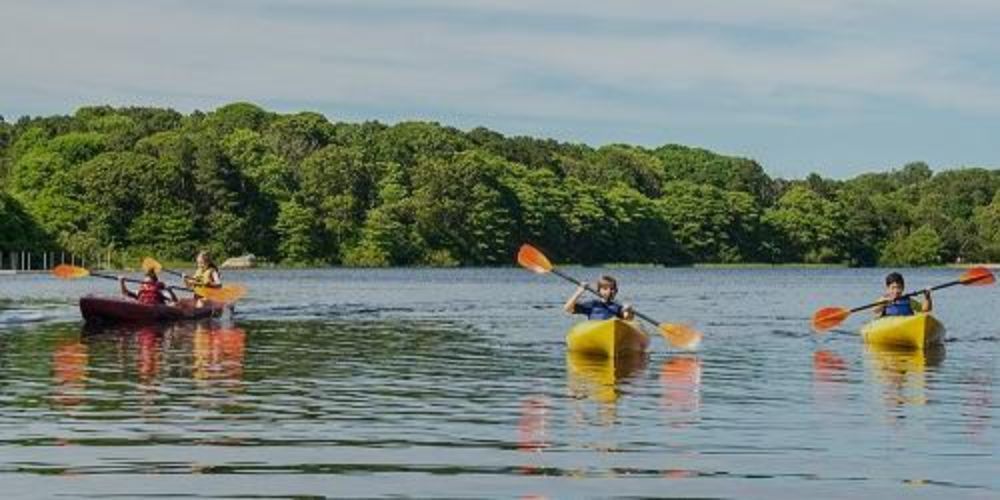
Where to Put In: Maryland's Best Kayaking Spots
Corker's Creek is genuinely one of the better spots in the state if seeing wildlife up close matters to you. The cypress canopy creates a sheltered corridor, and because the water is calm, you can move quietly enough that turtles don't startle off their logs before you've had a good look. Birds work through the trees steadily, and the whole ecosystem feels intact in a way that some more trafficked routes don't. Assateague Island is in a category of its own for wildlife. The wild horses have lived on this barrier island for centuries, and the most widely held account is that their ancestors swam ashore from a Spanish shipwreck off the coast. Paddling along the shoreline and spotting them near the water is one of those experiences that stops conversation entirely. The island's 37-mile length also means you're moving through serious bird habitat, and the Atlantic coastal setting adds a wildness to the whole day that inland paddling simply doesn't replicate.
Cultural and Historic Connections
If you're paddling near Antietam Creek Campground, you're sitting at Mile 69.4 of the C&O Canal Towpath, one of the most historically significant corridors in the country. The Chesapeake and Ohio Canal was built in the 1800s as a commercial waterway running along the Maryland side of the Potomac River, stretching nearly 185 miles toward Cumberland. It never fully competed with the railroads, but what it left behind is a remarkable greenway connecting kayak access points, camping, and history in one continuous route. Pulling up near Antietam Creek and knowing you're on the same stretch of river that shaped the mid-Atlantic economy two centuries ago adds a layer to the paddle that's hard to replicate anywhere else. It's also just a beautiful place to be. The Potomac runs wide here, and the campground gives you a reason to stay past sunset.
What to Expect on Maryland's Water: Flatwater vs. Moving Water
Maryland gives you real options across both water types, and knowing the difference before you go makes the day go much smoother. Corker's Creek is flatwater paddling, which means the current is minimal and the water tends to stay calm and clear. That's ideal if you're newer to kayaking, bringing a daughter along for the first time, or simply want a peaceful float where you're watching wildlife instead of managing your boat. The Patapsco River Paddle Route introduces moving water, which means you'll feel current beneath you and need to pay a little more attention to your line. It's not whitewater, but it does ask more of you than a still creek does. If you've been on a kayak a handful of times and want to build confidence, the Patapsco is a natural next step. Assateague Island involves open coastal water, which is a different category entirely. Wind, tidal movement, and ocean conditions all factor in, and it's best approached with some experience or a guided trip. The reward is proportional to the preparation.
Gear Tips for Kayaking in Maryland
Maryland's climate ranges widely depending on the season and where you are in the state. Summer on the Eastern Shore means heat and humidity, and that affects everything from what you wear to how much water you carry. A lightweight, quick-dry top and water shoes you can actually walk in matter more than most people expect when they're first getting started. Sun protection is non-negotiable on open water. A wide-brim hat and SPF 50 on your arms and the back of your neck will do more for your comfort than any piece of gear you bring. For flatwater routes like Corker's Creek, a recreational sit-inside or sit-on-top kayak works well and is easy to manage. Paddles with adjustable feathering let you adapt to light wind, which you'll encounter regularly on Chesapeake Bay access points like St. Michaels. A personal flotation device is required on Maryland waterways. Bring one that actually fits, because an ill-fitting PFD is one you'll be tempted to take off, and that defeats the purpose entirely. A dry bag for your phone, snacks, and a light layer is worth the small investment on any route.
Essential Gear for Maryland

Athmile Women's Barefoot Water Shoes for Kayaking
List of Services
-
Camping in Maryland Discover Maryland's best camping spots for women and families. Find top sites, gear tips, and when to go. Start planning your trip today.Camping in Maryland
-
Cycling in Maryland Discover Maryland's best cycling trails and routes for women and families. Find top rides, gear tips, and how to plan your trip. Start exploring today.Cycling in Maryland
-
Hiking in Maryland Discover Maryland's best hiking trails for beginners and families. Find top spots, gear tips, and when to go. Start planning your trip today.Hiking in Maryland
-
Kayaking in Maryland Discover Maryland's best kayaking spots for women and beginners. Top sites, gear tips, and when to go. Start planning your paddle trip today.Kayaking in Maryland