
Camping in New York: Where to Go, What to Know, and Why It's Worth It
The New York State Department of Environmental Conservation runs 51 campgrounds inside Adirondack and Catskill Parks. That's a lot of options, and they cover a wide range of experiences, from traditional tent sites to island camping you can only reach by water. If you've never paddled out to your own campsite, it's the kind of thing you'll talk about for years.
The High Peaks Wilderness in the Adirondacks is the largest wilderness area in New York and the second-largest east of the Mississippi River. It draws serious hikers, but it also draws folks who just want to be somewhere big and quiet. The scale of it changes how you feel inside it.
Slide Mountain Wilderness in the Catskills is another popular destination for campers who want trails woven into their trip. The Catskills have a softer feel than the High Peaks, more forgiving terrain, still genuinely beautiful. New York State Parks also manages campgrounds that span from Long Island to the Great Lakes, so no matter what part of the state you're working with, there's something reachable.
If you're looking for affordable spots or want to compare options quickly, Camp New York is a platform built specifically for finding camping and glamping sites across the state. It's a practical starting point when you're in the early stages of planning.
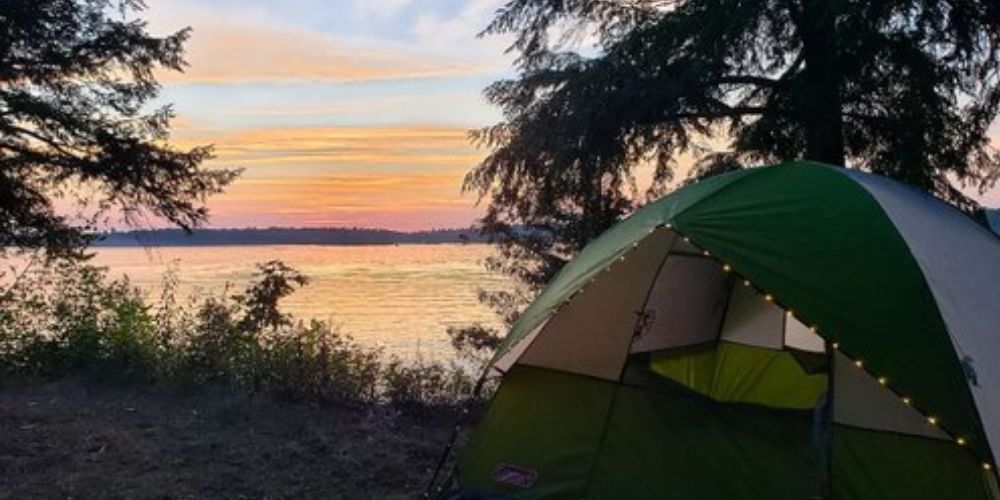
Where New York Campers Actually Go
Camp Gateway in Brooklyn sits at Floyd Bennett Field, inside Gateway National Recreation Area. It's a federal site, so reservations go through Recreation.gov. What makes it different from most campgrounds is the history sitting right beneath your feet.
Floyd Bennett Field was New York City's first municipal airport, opened in 1931. It launched and received some of the most famous aviation expeditions of the 20th century. You can take historic tours of the airport as part of your visit, which is genuinely fascinating context for a camping trip. Bring that up around the fire and the whole site starts to feel different.
Beyond the history, Gateway Brooklyn is a good spot for birding, hiking, and biking. It sits within a national recreation area, so the access to nature is real, even inside the city's boundaries. If you're camping with someone who thinks New York is just skyscrapers, this is a good place to change that assumption.
The Staten Island location within Gateway National Recreation Area offers tent camping only, with no electrical outlets and seasonal bathrooms. It's a more stripped-down experience. Good for folks who want to keep it simple and stay close to the city.
Birding and Wildlife at Gateway National Recreation Area
Gateway National Recreation Area in Brooklyn is one of the better birding spots in the New York metro region. The location along the Atlantic Flyway means migrating birds move through in significant numbers, especially in spring and fall. You don't need to be a serious birder to enjoy it. You just need to be awake early and willing to look up.
Camping overnight at the Brooklyn site gives you access to those early morning hours when bird activity peaks. That's an advantage you don't get on a day trip. It's the kind of quiet, observational experience that works well for kids who are curious about nature and adults who need a slower pace for a day.
The combination of birding, hiking, and biking at Gateway makes it a multi-activity site. You can fill a full day without leaving the recreation area. It's a practical choice when you want variety without driving between locations.
Gear Tips for Camping in New York
New York's camping terrain is genuinely varied, and what you pack depends a lot on where you're going. The Adirondacks and Catskills have unpredictable mountain weather, even in summer. Temperatures drop at night, sometimes significantly, and afternoon thunderstorms move in fast. Layer up and bring rain gear you'll actually use, not just pack and forget.
For tent camping at sites like Gateway Staten Island, where there are no electrical hookups and bathrooms are seasonal, preparation matters more. A good headlamp, a reliable sleep pad, and a sleeping bag rated for cooler temperatures than you think you'll need are the basics worth getting right. Don't underestimate how cold 55 degrees feels at 2 a.m. in a thin tent.
If you're taking a daughter or a friend who's new to camping, keep the gear list short and focused. A well-fitting daypack, broken-in footwear, and a water bottle that actually stays cold are more useful than specialty gear you won't know how to use. New York State Parks offers a downloadable camping checklist that's a solid starting point for first-timers. Find it on the NYS Parks blog before your trip.
Essential Gear for New York

Anlisim Merino Wool Hiking Socks, 5 Pairs

Carhartt Soft-Shell Camping Cooler Lunch Bag
List of Services
-
Camping in New York Find the best camping in New York, from the Adirondacks to Brooklyn. Real tips on sites, gear, and when to go. Start planning your trip today.Camping in New York
-
Cycling in New York Find the best cycling routes in New York for women and families. Rail trails, city tours, gear tips, and more. Start planning your ride today.Cycling in New York
-
Hiking in New York Find New York's best hiking trails for beginners and families. Top spots, gear tips, and when to go. Start planning your trip today.Hiking in New York
-
Kayaking in New York Find New York's best kayaking spots, gear tips, and when to go. Perfect for women, beginners, and families. Start planning your paddle trip today.Kayaking in New York