
Hiking in New York: Where to Go, What to Expect, and How to Make the Most of It
Cascade Mountain in the Adirondacks tops nearly every best-of list for New York hiking, and for good reason. The Cascade Mountain and Porter Mountain trail via Cascade Mountain Trail holds a 4.7-star rating from more than 9,300 reviews on AllTrails, making it the most popular trail in the state. It's also listed as the most challenging river trail in New York, so go in knowing it asks something of you.
Watkins Glen State Park is the trail that earns quiet gasps. It's consistently ranked among the top hikes in Upstate New York, and the Gorge Trail, which runs closest to the stream, is ranked second among the 12 best hikes in the state. The park features three trails total: the Southern Rim Trail, the Indian Trail, and the Gorge Trail. Each one gives you a different angle on the same stunning gorge.
Taughannock Falls State Park rounds out the Finger Lakes hiking scene beautifully. It draws visitors back year after year and pairs well with a Watkins Glen trip if you have a long weekend. Both parks sit in a region that rewards slow travel.
For something unexpected, Clover Brooke Farm Llama Alpaca Hikes holds the top spot on TripAdvisor's list of the 15 best hiking experiences in New York. It's playful, low-pressure, and genuinely fun for kids and adults alike. Sometimes the best hike is the one that makes everyone laugh.

Trails in New York Worth Lacing Up For
New York's trails don't fit one description. The Adirondacks offer real elevation and rocky terrain that demands hiking boots with ankle support. Cascade Mountain is beautiful but honest about the effort it requires. Come prepared, not just hopeful.
The gorge trails around the Finger Lakes are a different story. Watkins Glen's Gorge Trail is close to the water, often damp underfoot, and moves through tight stone passages carved by centuries of erosion. It's not strenuous, but the footing asks for attention. Sturdy sneakers work for many visitors, though trail shoes give you more confidence on wet stone.
Cascadilla Gorge Trail and the Niagara Gorge Trail both show up on TripAdvisor's top 15 list and share that same gorge-trail character. Cool, shaded, close to water. They're the kind of trails that feel restorative even on a warm day. Devil's Hole State Park, also on that list, adds a wilder edge to the Niagara region.
Keuka Lake rounds out the variety. The trails near the lake sit in the Finger Lakes Wine Country corridor and offer a more open, rolling character than the gorge hikes. The views over the water on a clear morning are calm and clear in a way that stays with you.
Cultural and Historic Connections Along the Trail
Sagamore Hill National Historic Site sits near Oyster Bay on Long Island and is managed by the National Park Service. It was the home of President Theodore Roosevelt, one of the most consequential figures in American conservation history. Roosevelt established the U.S. Forest Service, signed the Antiquities Act, and protected roughly 230 million acres of public land during his presidency. Walking the grounds here connects you to that legacy in a tangible way.
Guided tours are available and can be booked through Recreation.gov. It's not a long hike, but it's a meaningful stop. If you're introducing a younger hiker to the idea that the outdoors is worth protecting, this is a powerful place to have that conversation.
The Finger Lakes trails carry their own cultural weight. The Watkins Glen area sits in the heart of the Haudenosaunee Confederacy's ancestral territory. The gorge and surrounding lands hold deep significance for the Seneca Nation, one of the original six nations of the Haudenosaunee. Knowing that as you walk adds a layer of respect to the experience.
Permits, Planning, and How to Avoid the Headaches
Before you drive two hours to a trailhead, check the New York State Parks and DEC websites for closures, construction, and any trail-specific conditions. It takes five minutes and saves real frustration. Regulations and trail status can change seasonally, and some popular trails have capacity limits during peak months.
For federal sites, Recreation.gov is your go-to. Elizabeth Alexandra Morton National Wildlife Refuge and Mount Morris Dam and Recreation Area both offer camping and activities bookable through the platform. If a guided experience is on your list, ToursByLocals offers private, customized hiking tours across New York State. The New York City Hiking Tours group on Meetup organizes hikes ranging from 4 to 10 miles and lasting 3 to 6 hours, which is a solid option if you want company without committing to an organized tour.
AllTrails is genuinely useful for trail research. Reviews from recent hikers tell you what the parking situation looks like, whether the trail is muddy after rain, and how crowded a Saturday morning tends to be. Use it alongside the official park sites rather than instead of them.
Gear Tips for Hiking in New York
New York's hiking seasons each have their own demands. Spring gorge trails are beautiful and cold, often damp from snowmelt. Layers matter here: a moisture-wicking base, a light insulating mid-layer, and something wind-resistant on top. Summer in the Adirondacks can shift from warm and sunny to cool and wet within a few hours, so a packable rain jacket earns its space in your bag every single time.
Footwear is where most beginners underestimate. For gorge trails like Watkins Glen, grippy trail shoes with good traction on wet surfaces make a real difference. For Cascade Mountain and the Adirondacks, a true hiking boot with ankle support is the right call. Blisters and rolled ankles are both preventable with the right shoe.
Carry more water than you think you need. New York trails don't always have reliable water sources along the route, and staying hydrated is especially important on warmer days in exposed terrain. A 32-ounce insulated water bottle handles most day hikes well. A small daypack with a hip belt keeps the weight off your shoulders on longer routes.
Sun protection is easy to forget on tree-covered gorge trails and critical on open ridgelines. Broad-spectrum SPF, a hat with a brim, and UV-protective clothing make the difference between a comfortable summit and a long drive home feeling fried. Pack a basic first aid kit and a fully charged phone with AllTrails downloaded before you leave the car.
Essential Gear for New York

The North Face Borealis Commuter Backpack

Carhartt Classic Adjustable Sling Bag

Osprey Ultralight Collapsible 18L Stuff Pack
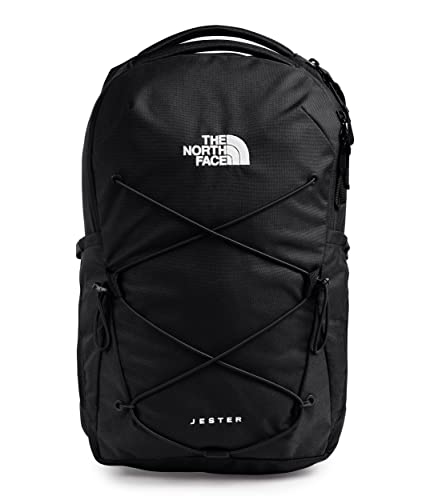
The North Face Women's Jester Everyday Backpack
List of Services
-
Camping in New York Find the best camping in New York, from the Adirondacks to Brooklyn. Real tips on sites, gear, and when to go. Start planning your trip today.Camping in New York
-
Cycling in New York Find the best cycling routes in New York for women and families. Rail trails, city tours, gear tips, and more. Start planning your ride today.Cycling in New York
-
Hiking in New York Find New York's best hiking trails for beginners and families. Top spots, gear tips, and when to go. Start planning your trip today.Hiking in New York
-
Kayaking in New York Find New York's best kayaking spots, gear tips, and when to go. Perfect for women, beginners, and families. Start planning your paddle trip today.Kayaking in New York