
Camping in Washington: Where to Go, What to Know, and Why You'll Want to Come Back
Washington's camping landscape splits into distinct regions, and each one feels like a different world. The coast gives you ocean air and the kind of gray-green light that makes everything look like a painting. The mountains pull you into alpine terrain, old-growth forest, and silence you can almost touch. Eastern Washington opens up into dryer, quieter country that surprises a lot of first-timers.
Kalaloch Campground sits inside Olympic National Park on Highway 101, 34 miles south of Forks and 73 miles north of Aberdeen. It's coastal camping in the truest sense, close enough to the Pacific that you can hear the waves from your site. If you have questions or want to confirm availability before you drive out, the campground contact number is 360-565-3130.
Gifford Pinchot National Forest in southern Washington has 41 campgrounds bookable through recreation.gov, along with 5 permit types for specific activities. The forest sits in the shadow of Mount St. Helens, which erupted in 1980 and reshaped the entire southern Washington landscape. Camping here means waking up in terrain that's still, decades later, telling the story of that eruption. It's one of the more historically layered camping experiences in the state.
With 600 or more listings for Washington on recreation.gov alone, it helps to search by region first and then narrow down by date and site type. The Washington State Parks reservation system also lets you filter by amenity, which saves time when you know whether you need electrical hookups or you're happy to go without.
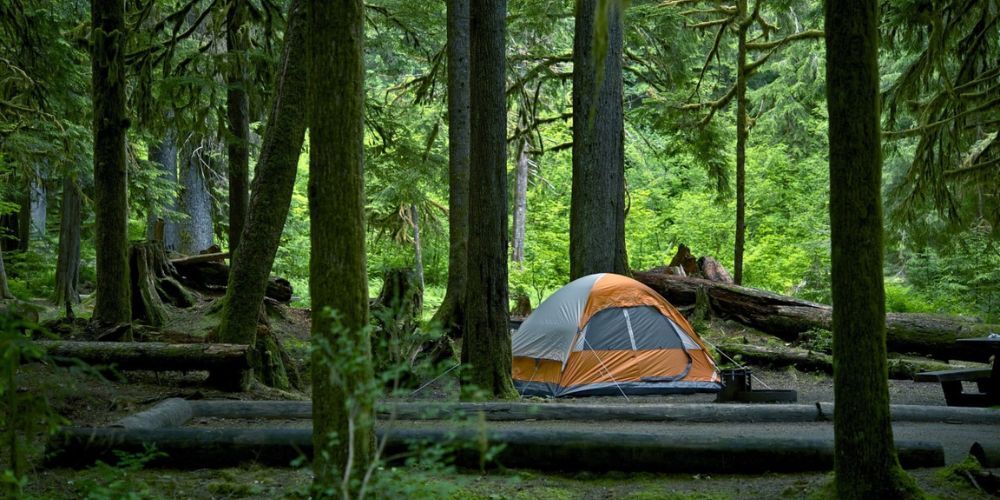
Where Washington Campers Actually Go
One of the things that makes Washington genuinely accessible for newer campers is how much variety exists within the state park system. Accommodations range from basic tent sites to full hook-up RV pads to roofed structures like yurts and platform tents. If you've never slept outdoors and the idea of a sleeping bag on the ground feels like a stretch, a yurt is a real option and a good first step.
Developed campgrounds in Washington often include showers and electrical hookups, which matters when you're introducing a kid to camping and you want the experience to feel manageable, not miserable. On the other end, primitive campgrounds exist with nothing more than pit toilets and a flat spot. Those sites tend to draw folks who want distance from other campers and don't mind carrying everything in.
Washington state parks are generally less crowded than comparable destinations in California or Oregon. That means you have a better shot at a site without booking six months out, though popular spots near the coast or in the Cascades do fill up fast in summer. Reservations are available for most developed sites, and first-come, first-served options still exist if you're flexible on timing.
Permits, Reservations, and How to Actually Secure a Site
Washington's camping reservation system runs through two main channels: the Washington State Parks website at parks.wa.gov, and recreation.gov for federal lands including national forests and national parks. It's worth bookmarking both. They don't overlap, and knowing which one covers your destination saves real frustration.
Gifford Pinchot National Forest requires permits for certain activities beyond just camping. There are 5 permit types available through recreation.gov, so if you're planning anything beyond a standard campsite stay, check the permit listings before your trip. Permit requirements can change seasonally, and some are time-sensitive to book.
For Washington state parks, both reservation and first-come, first-served sites exist depending on the park and the time of year. If you're going in peak summer, book ahead. If you're heading out in the shoulder season, say late September or early October, you'll have more flexibility. The parks.wa.gov site lists fees, site availability, and amenities by location, so you're not guessing what you're walking into.
Gear Tips for Camping in Washington
Washington's weather is the first thing to plan around. The western side of the Cascades, including the Olympic Peninsula and the coast, is wet. Not just sometimes wet. Reliably, seasonally, persistently wet. A waterproof rain jacket is non-negotiable on that side of the state, and so is a tent with a solid rainfly and sealed seams. Check the fly before you leave home, not when you're already in the campsite.
Layering is the other piece that newer campers sometimes underpack for. Coastal and mountain campsites in Washington can drop significantly at night even in July. A warm mid-layer, a hat, and wool or synthetic socks will make the difference between a cozy evening and a miserable one. Cotton does not dry. Leave it at home.
Eastern Washington camping runs drier and warmer in summer, but you still want sun protection and enough water capacity for any hiking you plan around the campsite. A good headlamp, a bear canister if you're in backcountry terrain, and a small first aid kit round out the essentials. Washington State Horse Park also has camping with trail access if you're looking for a trip that combines riding or hiking with your overnight stay.
Essential Gear for Washington

Carhartt Soft-Shell Camping Cooler Lunchbox
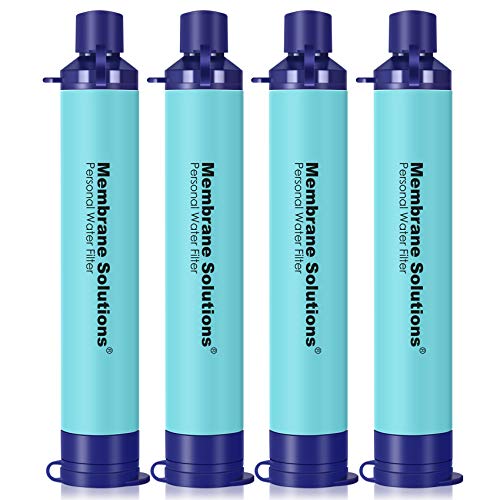
Membrane Solutions Water Filter Straw, 4 Pack

LifeStraw Personal Water Filter, 3 Pack
List of Services
-
Camping in Washington Discover Washington's best camping spots for women and families. Find top sites, gear tips, and when to go. Start planning your trip today.Camping in Washington
-
Cycling in Washington Discover Washington's best cycling routes for women and families. Find top rides, gear tips, and when to go. Start planning your trip today.Cycling in Washington
-
Hiking in Washington Discover Washington's best hiking trails for beginners and families. Find top spots, gear tips, and when to go. Start planning your trip today.Hiking in Washington
-
Kayaking in Washington Find Washington's best kayaking spots, gear tips, and wildlife to watch for. Plan your next paddle trip with our full guide. Start exploring today.Kayaking in Washington