
Hiking in Washington: Where to Start, What to See, and How to Make It Yours
Washington has 5,544 hiking trails listed on AllTrails, and that number still doesn't quite prepare you for the range. You can walk through an ancient lava tube underground, climb toward a 12,276-foot volcanic summit, or follow a canyon trail with the sound of the creek keeping you company the whole way. The terrain shifts dramatically depending on where you are in the state. The west side tends toward dense forest and dramatic peaks. The east side opens up into drier canyon country with a completely different feel.
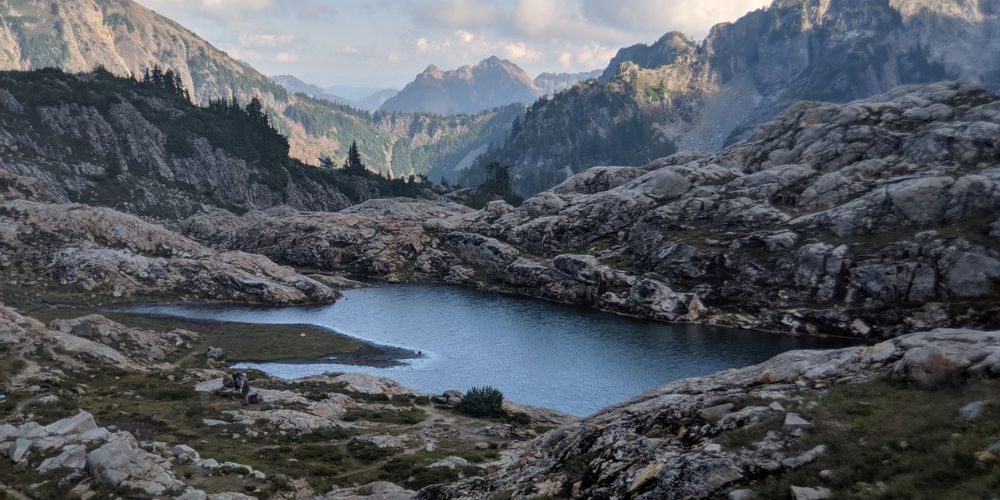
What Hiking in Washington Actually Looks Like
Ape Cave in Gifford Pinchot National Forest is one of those places that earns its reputation. It's the third longest lava tube in North America, stretching 2.5 miles, and walking through it feels unlike anything else in the state. You'll need a timed-entry interpretive site ticket, which you can grab through recreation.gov. Book early, especially in summer. It's a cool, dark, fascinating walk that kids find genuinely wild and adults don't stop talking about afterward.
The Cowiche Canyon Trail System gives you nearly 13 miles of unpaved trails through a beautiful stretch of canyon terrain near Yakima. Spring, summer, and fall are all good seasons out there. The trails are shared with trail runners and mountain bikers, so you'll have company, but the canyon still feels peaceful and unhurried on a weekday morning. It's one of those places where you can wander for a few hours and come back feeling genuinely restored.
The North Cascades region is known for alpine lakes you reach on foot, the kind that look almost unreal once you get there, calm and crystal-clear against a backdrop of jagged peaks. Near Mount Rainier, the wildflower ridges in season are something you want to time right. When the blooms are up, the whole landscape shifts in color and scale in a way that stays with you.
When to Go Hiking in Washington
Spring, summer, and fall are the primary hiking seasons across most of the state. Summer brings the most reliable conditions, especially for higher elevation trails near Mount Rainier and in the North Cascades. Wildflower season on those ridges has a window, so check current conditions before you go. The Washington Trails Association website is the best place for that kind of real-time, local information.
Cowiche Canyon is hikeable in winter too, if you're comfortable with cooler temperatures and shorter days. Some Washington state parks stay accessible year-round. The key is knowing where you're going and checking conditions ahead of time, because the state's weather varies more than people expect from region to region.
The WTA and the Community Behind Washington Hiking
The Washington Trails Association has been building out the most comprehensive hiking database in the state for years, and it's genuinely useful. Trail info is written by local hiking experts and updated with community submissions from hikers who were just out there last weekend. It's the kind of resource that tells you whether the footbridge is still passable and where the mud is, not just the scenery. Before any hike in Washington, the WTA site is worth a look.
The WTA also represents something meaningful about the hiking culture here. Trails in Washington are maintained in large part because of volunteer stewardship, and that community ethic runs through the whole experience. When you hike in Washington, you're walking paths that people actively work to protect and keep open. That history gives the trails a little extra weight.
Permits and Passes You'll Actually Need
For Washington state parks, you'll need a Discover Pass. It's $35 for an annual pass or $11.50 for a single day. If you're planning more than a few trips across a season, the annual pass pays for itself quickly. You can pick one up online or at many park entrances. There are over 100 state parks within driving distance of Seattle alone, so the annual pass is worth it if you're serious about getting out.
Ape Cave requires a separate timed-entry interpretive site ticket through recreation.gov. That's in addition to any standard forest access requirements, so read the details before you arrive. If you're planning to climb Mt. Adams, a Climbing Activity Pass is required and also available through recreation.gov. Mt. Adams sits in Gifford Pinchot National Forest at 12,276 feet, so that's a significant undertaking that needs real preparation beyond just the permit.
Essential Gear for Washington
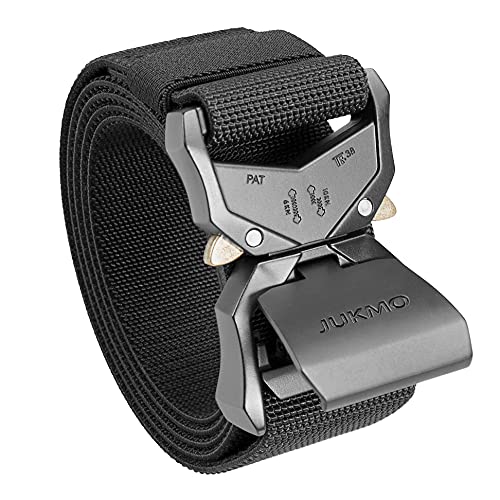
Jukmo Tactical Belt, 1.5 Inch Nylon Hiking Belt

LifeStraw Personal Water Filter, 3 Pack
Gear Tips for Hiking in Washington
Washington's weather is the thing most first-time visitors underestimate. Even on a clear summer morning, conditions can shift fast in the mountains. A lightweight, packable rain jacket is the single most useful thing you can carry on any Washington trail. Don't leave it in the car because the morning looks fine. It won't feel like extra weight until you really need it, and then you'll be glad it's there.
Footwear matters more here than in drier states. Trails in the North Cascades and near Rainier can be muddy well into summer, and a waterproof trail shoe or low-cut hiking boot will make a real difference over a trail runner that soaks through. For lava tube walks like Ape Cave, the temperature underground stays around 42 degrees Fahrenheit year-round, so bring a warm layer even if it's warm outside. Layers are the right mindset for all Washington hiking, not just the high-elevation stuff.
For day hikes with a daughter or a friend, a small daypack that fits both of you without overloading one person makes the whole thing more enjoyable. Pack enough water for more time than you think you'll be out. Trails in the Cascades in particular can take longer than the mileage suggests, because the terrain earns every step.
List of Services
-
Camping in Washington Discover Washington's best camping spots for women and families. Find top sites, gear tips, and when to go. Start planning your trip today.Camping in Washington
-
Cycling in Washington Discover Washington's best cycling routes for women and families. Find top rides, gear tips, and when to go. Start planning your trip today.Cycling in Washington
-
Hiking in Washington Discover Washington's best hiking trails for beginners and families. Find top spots, gear tips, and when to go. Start planning your trip today.Hiking in Washington
-
Kayaking in Washington Find Washington's best kayaking spots, gear tips, and wildlife to watch for. Plan your next paddle trip with our full guide. Start exploring today.Kayaking in Washington