Your Guide to Camping in Wisconsin: Real Sites, Honest Tips, and Trips Worth Taking
Kettle Moraine State Forest's Southern Unit is one of those places that earns its reputation. It stretches 30 miles from the village of Dousman nearly to the city of Whitewater, carved by glaciers into rolling hills and quiet kettles. The terrain is approachable enough for beginners but varied enough to keep seasoned campers interested. Trails here are well-documented on AllTrails, so you can plan your hike before you ever leave home.
Up in northern Wisconsin, Boulder Lake Campground sits on the shores of its namesake lake inside the Chequamegon-Nicolet National Forest. It's the largest campground in the forest, which tells you something about its draw, but sites do fill fast. Book early through Recreation.gov if you want a lakeside spot in summer. The water on calm mornings is glassy enough that you can see the treeline reflected back at you.
Bear Lake Campground, also in the Chequamegon-Nicolet National Forest, is smaller and quieter with 27 sites total. It has five tent-only walk-in sites for those who want a little more separation from the world, and most sites can fit campers 30 feet or longer if you're coming with a trailer or RV. It's the kind of campground where you actually hear the birds in the morning.
For something with a little more comfort built in, Highland Ridge Campground at Eau Galle Lake has 46 sites, 35 of which have electric hookups. It also has showers, trash and recycling stations, and an interpretive program that's especially good if you're camping with kids. Eight walk-in tent sites are available for those who want to earn their view a little.
Where Wisconsin Campers Actually Go
Wisconsin's best camping moments often happen at the water's edge. Boulder Lake Campground puts you right on the lake, and that proximity changes everything about the trip. Morning coffee tastes better when you're watching the mist lift off a clear northern Wisconsin lake. Afternoons are made for swimming, paddling, or just sitting at the shoreline doing nothing in particular.
Bear Lake offers that same quiet water access with a more intimate feel. With only 27 sites, the campground doesn't get the crowds that some larger spots attract. The walk-in tent sites especially give you a sense of the lake that feels unhurried and yours.
Highland Ridge Campground at Eau Galle Lake adds a layer of convenience to the lakeside experience. The combination of electric hookups and water access makes it a solid choice if you're newer to camping and want the scenery without going fully rustic on your first trip.
Glamping and Comfort Camping in Wisconsin
Not every trip needs to start with a sleeping bag on the ground. Wisconsin has a real glamping scene, with cabins, domes, and yurts available near state parks across the state. These options let you spend real time outside without sacrificing a comfortable bed or a hot shower at the end of the day.
Travel Wisconsin recognizes glamping as a legitimate way to experience the outdoors, and it is. If you're bringing someone who's skeptical about camping, a yurt or a cabin near a state forest is often the trip that converts them. You get the morning light through the trees, the smell of the campfire, the sound of the water. You just also get a pillow that doesn't deflate at 2 a.m.
Glamping Hub lists Wisconsin options near state parks, so you can browse by the region that interests you. It's worth checking if you're planning a trip with mixed comfort preferences in your group.
Cultural and Historic Connections
Kettle Moraine State Forest carries a story that goes back thousands of years. The landscape itself is the record, shaped by the last great glaciation that ended roughly 10,000 years ago. The kettles, ridges, and moraines you walk through are the direct result of that ice retreating north, leaving behind a terrain unlike anywhere else in the Midwest. When you're hiking through the Southern Unit, you're walking on geology that took millennia to make.
The Chequamegon-Nicolet National Forest has its own deep roots. The land has been home to Ojibwe and other Indigenous communities for generations, and that history runs through the forests and waterways in ways that are worth learning before you go. The forest's name itself reflects that history, drawing from the Ojibwe word for the region. Spending time there with that awareness changes how you see the land.
Highland Ridge's interpretive program at Eau Galle Lake is a quieter version of that same connection. It's designed to help visitors understand the natural and cultural history of the area, and if you're camping with younger kids, it's one of the most underrated features of that campground.
How to Book a Campsite in Wisconsin
Wisconsin State Parks camping reservations run through the Going to Camp platform at wisconsin.goingtocamp.com. The site covers equipment types, DNR fees, booking tips, and cancellation tracking, so it's worth spending time there before your trip rather than scrambling the week before. Popular sites in summer go fast, especially on holiday weekends.
National Forest campgrounds like Boulder Lake and Bear Lake in the Chequamegon-Nicolet National Forest are booked through Recreation.gov. The process is straightforward, but again, early booking matters. Knowing both platforms before you need them saves a lot of frustration.
The Wisconsin State Park System offers standard sites, group sites, backpack sites, and other options depending on the park. If you're planning a trip with a bigger group or want a more remote experience, it's worth looking at those options specifically rather than defaulting to a standard site.
Essential Gear for Wisconsin
-
![Membrane Solutions water filter straw for hiking and outdoor use]()
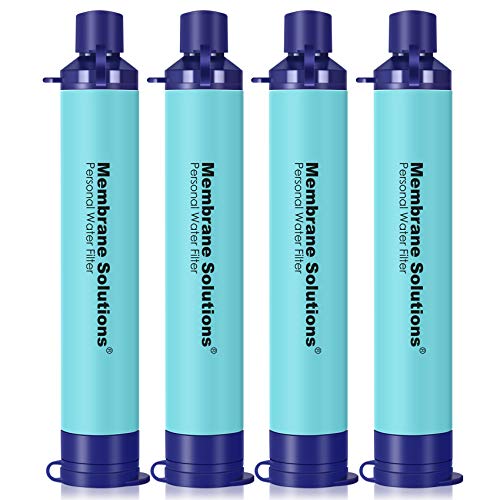
Membrane Solutions Water Filter Straw, 4 Pack
A budget-friendly way to filter water straight from natural sources. Good to keep in your pack or emergency kit. Comes as a 4-pack in blue.See Current Price -
![LifeStraw personal water filter straw for hiking and camping]()
LifeStraw Personal Water Filter, 3 Pack
Drink directly from streams or lakes without carrying heavy water. A solid choice for Wisconsin trail days or emergencies. Comes in a 3-pack.Check Today's Price -
![Carhartt soft shell cooler lunchbox for camping and outdoor use]()
Carhartt Soft Shell Camping Cooler Lunchbox
A sturdy soft-shell cooler that works at the campsite or on a long trail day. Keeps food and drinks handy without bulk. Available in brown.View on Amazon


Gear Tips for Wisconsin Camping
Wisconsin summers are warm and humid, which means layers matter less than bug protection. A good insect repellent and a head net are not optional in the northern part of the state, especially near water. Mosquitoes and black flies can end an otherwise good trip if you're not prepared. Pack them and don't leave them in the car.
Nights in Wisconsin can cool down faster than you expect, even in July, particularly in the north woods near the national forest campgrounds. A sleeping bag rated to at least 40 degrees Fahrenheit handles most summer nights comfortably. If you're going in late spring or early fall, go warmer.
Rain is part of Wisconsin camping. A reliable waterproof layer and a tarp or footprint for under your tent are worth every cent. Mud at a campsite is manageable. A wet sleeping bag is not. Prep for rain and you'll enjoy the trip no matter what the sky does.
For beginners, a headlamp with a red light mode is one of those things that sounds small until you're stumbling to the bathroom at midnight. Bring one for every person in your group. It's the kind of detail that makes first-time campers feel like they knew what they were doing all along.
List of Services
-
Camping in Wisconsin Discover Wisconsin's best camping spots for women and families. Find top sites, gear tips, and when to go. Start planning your trip today.Camping in Wisconsin
-
Cycling in Wisconsin Discover Wisconsin's best cycling trails for women, beginners, and families. Find top rides, gear tips, and guided tours. Start planning your trip today.Cycling in Wisconsin
-
Hiking in Wisconsin Discover Wisconsin's best hiking trails for beginners and families. Find top spots, gear tips, and when to go. Start planning your trip today.Hiking in Wisconsin
-
Kayaking in Wisconsin Discover Wisconsin's best kayaking spots, gear tips, and when to go. Plan your next paddle trip with our guide. Start exploring today.Kayaking in Wisconsin