
Cycling in Wisconsin: Rail Trails, Lake Country, and Roads Worth Every Mile
If you're newer to trail riding or planning a trip with a daughter or friend who hasn't biked in a while, Wisconsin's rail trails are the place to start. Converted from old railroad corridors, they tend to be flat, wide, and paved or packed in a way that keeps things manageable. You can focus on the scenery instead of watching your front wheel.
The Glacial Drumlin State Trail is widely considered Wisconsin's most popular bicycle trail. It runs from Cottage Grove to Waukesha, making it accessible from the Madison and Milwaukee areas. The trail is open to hiking and walking too, so expect company on nice weekends, but the corridor is wide enough that it never feels crowded.
The Elroy-Sparta State Trail is another name you'll see come up again and again in Wisconsin cycling conversations. It's one of the most recognized routes in the state and appears on the official Travel Wisconsin Road Biking Guide. If you're planning a longer day out or a weekend trip, this one rewards the drive to get there.
Travel Wisconsin publishes a dedicated Road Biking Guide that maps routes across the state. It's worth downloading before your trip so you can match a route to your day.
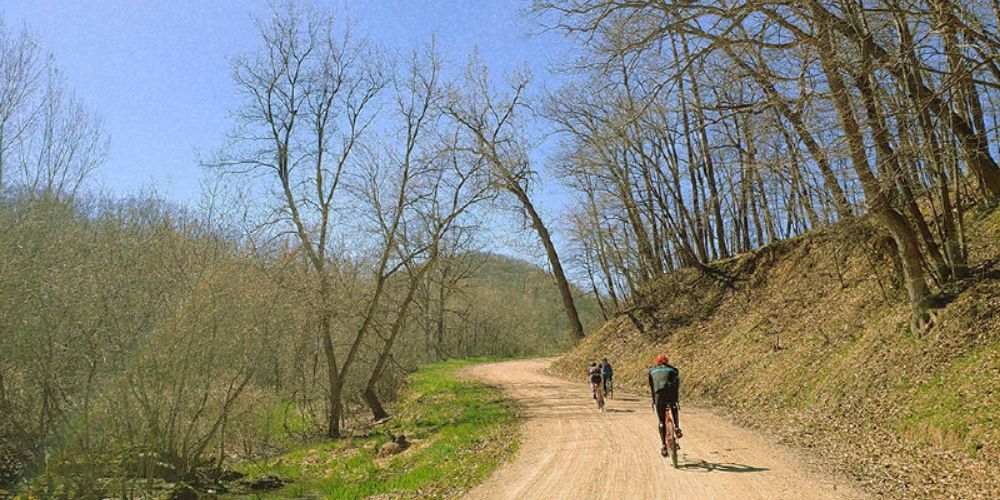
The Rail Trails and Paved Routes Worth Riding First
Wisconsin's landscape was shaped by glaciers, and you can feel that history in the terrain. The southern part of the state tends to be gentler, with rolling hills and open farmland. The northwoods region gets more forested and remote, with roads that feel genuinely quiet.
The rail trails give you the most predictable surface. They're designed for steady, comfortable riding without dramatic climbs. If you're looking for more challenge or variety, the road biking routes in the Lake Superior and Northwoods region offer a different experience entirely. Lizard Head Cycling Guides, a respected guided tour company, chose that corridor for their Wisconsin tour specifically because it meets their standard for exceptional bike travel.
County parks are woven into the cycling network alongside state trails, and they're easy to overlook. They're worth seeking out if you want a shorter loop or a quieter morning ride. The DNR's trail page is a reliable place to check current conditions before you head out.
Guided Tours for When You Want Someone Else to Handle the Details
Guided tours aren't just for beginners. Sometimes you want to explore a city or a region without spending an hour on Google Maps the night before. Wisconsin has a handful of tour options worth knowing about.
The Downtown Madison E-Bike Guided Tour is one of the top-rated bike experiences in the state. E-bikes make it genuinely fun regardless of your fitness level, and having a guide means you get the story behind what you're seeing. Madison is a city with real character, and riding it changes how you experience it.
In Milwaukee, the Private or Public Pedal Tavern Tour and the Trolley Pub Public Tour take a more social approach to cycling. They're group-powered pedal experiences that work well for a girls' trip or a birthday celebration. Foxy Pedaler is another Milwaukee-area operator that comes up consistently in reviews.
These tours aren't trail rides, but they're a genuinely fun way to spend an afternoon in a city you're already visiting. Book ahead, especially on summer weekends.
Cycling Culture in Wisconsin Runs Deeper Than You'd Think
Wisconsin doesn't just have good trails. It has a cycling identity. The Wisconsin DNR maintains a dedicated bicycle trails section within the state park system, which signals real infrastructure investment, not just a few marked paths. The state has been deliberate about building and maintaining a network that people actually want to use.
That pride in the trails shows up in unexpected places too. Artist James Steeno creates watercolor map art prints of Wisconsin's cycling trails and county parks. They're the kind of thing you frame after a trip because the route meant something to you. It says something about a place when people make art about its bike trails.
Travel Wisconsin has published an official Road Biking Guide since at least 2019, treating cycling as a genuine draw for visitors, not an afterthought. That's a state that takes its trails seriously.
Gear Tips for Riding Wisconsin's Trails and Roads
Wisconsin weather earns its reputation. Summers are warm and humid, springs can be cool and wet, and fall brings crisp mornings that turn into perfect riding afternoons. Layer up on morning rides from May through September and expect afternoon warmth. If you're heading north toward Lake Superior, bring a windproof layer even in July.
For paved rail trails and road biking, a hybrid or road bike handles the surface well. If you're venturing into county park terrain or gravel connectors, a gravel bike or a hybrid with slightly wider tires gives you more confidence. You don't need a mountain bike for most Wisconsin trail riding.
A helmet is non-negotiable, and a lightweight one with good ventilation will make the warmer months far more comfortable. Padded shorts make a real difference on rides longer than an hour. Bring more water than you think you need, especially on routes that don't pass through towns.
A handlebar bag or small frame bag keeps snacks and your phone accessible without a backpack. If you're riding with a kid, verify age and weight requirements for any tag-along or trail-a-bike setup before the trip. A little preparation makes the whole day easier.
Essential Gear for Wisconsin
List of Services
-
Camping in Wisconsin Discover Wisconsin's best camping spots for women and families. Find top sites, gear tips, and when to go. Start planning your trip today.Camping in Wisconsin
-
Cycling in Wisconsin Discover Wisconsin's best cycling trails for women, beginners, and families. Find top rides, gear tips, and guided tours. Start planning your trip today.Cycling in Wisconsin
-
Hiking in Wisconsin Discover Wisconsin's best hiking trails for beginners and families. Find top spots, gear tips, and when to go. Start planning your trip today.Hiking in Wisconsin
-
Kayaking in Wisconsin Discover Wisconsin's best kayaking spots, gear tips, and when to go. Plan your next paddle trip with our guide. Start exploring today.Kayaking in Wisconsin