
Cycling in Indiana: Real Routes, Easy Starts, and Rides Worth Repeating
Brown County State Park is one of Indiana's most recognized cycling destinations, and it earns that reputation. Located at 1405 SR 46 W, the park draws riders who want wooded terrain and a genuine sense of being out in nature, not just circling a flat path. It's the kind of place that feels like a reward just for showing up. Buffalo Trace Park at 1540 US 150 is another standout, recognized alongside Brown County as one of the top bike trail destinations in the state. It tends to draw a quieter crowd, which is part of its appeal. Cardinal Greenways, headquartered at 700 East Wysor Street in Muncie, rounds out the list of Indiana's recognized best. It's a rail-trail system, which means gentle grades and predictable surfaces, ideal if you're returning to cycling after a break or bringing a younger rider along for the first time.
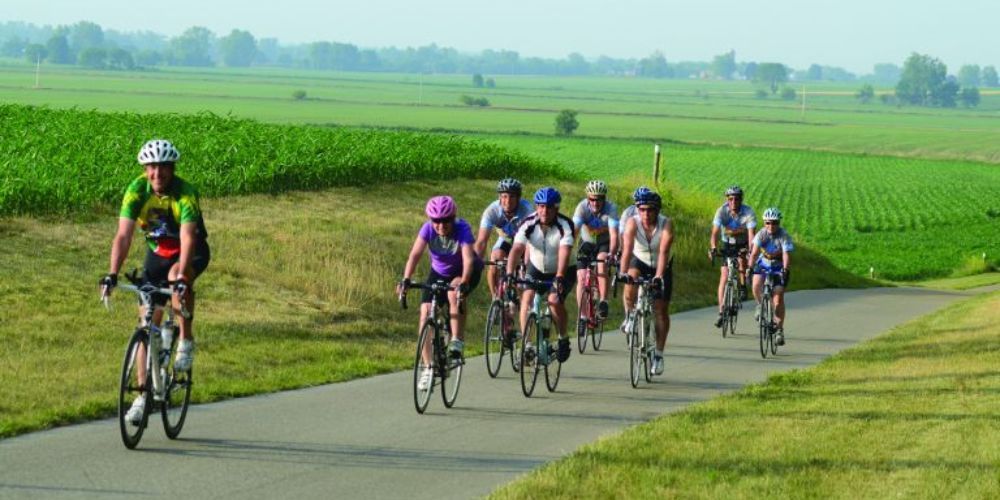
Where Indiana Cyclists Actually Go
Indiana Dunes offers cycling routes that move between sand-edged landscapes and wooded stretches in a way that feels genuinely surprising for the Midwest. The routes there work for casual riders and more committed cyclists alike, and the scenery does not require any imagination to appreciate. It's the kind of place you'll want to stop and just look around. The Porter to Washington Park Beach route via the Calumet Gravel Trail in Michigan City is listed among Indiana's top cycling routes for good reason. It connects inland riding to a Lake Michigan beach finish, which makes the whole ride feel like it's going somewhere. That sense of destination is hard to put a price on. In Carmel, the Town Run Trail Park gravel loop gives you a different experience entirely. It's a polished suburban route with a natural feel, popular with locals who ride it regularly and easy enough to navigate on a first visit.
Terrain and What to Expect on Indiana Trails
Indiana is not a mountainous state, and that works in your favor as a recreational rider. Most trail surfaces here are either paved, packed gravel, or compacted dirt, and the grades tend to be forgiving. Brown County is the notable exception, where the rolling hills add some elevation change and make the ride feel more earned. For rail-trail systems like Cardinal Greenways, the terrain is almost entirely flat. These converted rail lines follow old railroad beds, so the surface is consistent and the incline is minimal. It's an honest, comfortable ride. Gravel routes like the Calumet Trail give you a little more texture underfoot without demanding technical skill. A hybrid or gravel bike handles these well, but a standard trail bike will get you through just fine. The terrain across the state rewards preparation more than athletic ability.
Indianapolis and the Cultural Trail: Cycling with Community
The Indianapolis Cultural Trail has built something worth talking about in Indiana's capital city. It supports an active cycling community and organizes public group rides every Thursday evening and Saturday morning, with a mix of paid, free, and donation-optional options. If you've ever wanted to try riding in a city but felt unsure about going alone, this is your entry point. Group rides carry a social energy that solo rides don't, and the Cultural Trail events attract a genuinely mixed crowd of regulars and first-timers. You'll find yourself chatting with someone mid-ride who has a trail recommendation you wouldn't have found online. That kind of local knowledge is useful. For riders who want to explore beyond the guided experience, the Central Indiana Ride Guide maps all open bikeways across the region. It's published by the Indianapolis Metropolitan Planning Organization and serves both recreational cyclists and serious route planners. Download it before your trip and you'll have a real resource in your pocket.
Permits and Passes You Should Know About
Most of Indiana's trails are free to ride without advance registration. Hoosier National Forest is the exception. If you plan to ride the horse and bike trails there, you'll need an activity pass, which is available through Recreation.gov. It's a simple booking process and worth doing ahead of time so nothing interrupts your day. Checking trail-specific requirements before you leave home is always a good habit in Indiana. Park entrance fees, if applicable, vary by location, so a quick look at the official site for your chosen destination takes two minutes and saves potential frustration at the gate. The AllTrails app is a reliable companion for this. It maintains a curated list of Indiana bike trails with maps, driving directions, and recent user reviews that often include current trail condition notes from people who were just there.
Essential Gear for Indiana

Moreok Waterproof Winter Cycling Gloves

Gxcror Balaclava Face Mask for Cold Weather
Gear Tips for Riding in Indiana
Indiana's climate means you're dressing for variety. Spring and fall rides can start cool and warm up quickly, so layers you can remove and stow easily are more useful than one heavy jacket. A lightweight, packable wind layer earns its place in your bag on most Indiana riding days. Gravel routes like the Calumet Trail and the Town Run loop call for tires with a little more grip than a standard road slick. If your bike has road tires and you're planning a gravel ride, it's worth asking a local shop about a quick tire swap before you go. Flat-fixing supplies matter here too, since remote park trails won't have help nearby. Carry a small kit with a spare tube, tire levers, and a hand pump. A hydration pack or insulated bottle is essential from May through September, when Indiana's humidity makes even moderate rides feel warmer than expected. Comfortable cycling shorts with a chamois pad make a genuine difference on rides over an hour, especially on gravel surfaces.
List of Services
-
Camping in Indiana Find Indiana's best campgrounds for women, beginners, and families. Sites, fees, gear tips, and more. Start planning your Indiana camping trip today.Camping in Indiana
-
Cycling in Indiana Find Indiana's top cycling trails for beginners and families. Real routes, gear tips, and when to go. Start planning your ride today.Cycling in Indiana
-
Hiking in Indiana Find Indiana's best hiking trails for beginners and families. Discover top spots, gear tips, and when to go. Start planning your trip today.Hiking in Indiana
-
Kayaking in Indiana Discover Indiana's top kayaking spots, when to go, and what to bring. Perfect for beginners and families. Start planning your paddle trip today.Kayaking in Indiana