
Indiana Trails Worth Lacing Up For: A Guide for Women Who Want to Get Outside
Indiana Dunes State Park is where a lot of folks take their first real hike in the state, and for good reason. The park has at least 8 easy trails suitable for families, and the terrain is genuinely varied. You get elevation gain over the dunes, which feels earned without being punishing, and lake views that make the effort worthwhile.
Just next door, Indiana Dunes National Park expands the experience considerably. Hiking is one of its signature activities, but you can also spend a day biking, fishing, boating, or exploring the historic and cultural sites within the park. It's a full destination, not just a trailhead. Families who camp here often stay for days.
Down in southern Indiana, Hoosier National Forest holds two areas worth knowing. The Hardin Ridge Trail is a 2-mile hiking and biking path that runs from the day use area through the campground loops, calm and wooded and easy to navigate. Tipsaw Lake, also in the national forest, pairs hiking with scenic forest views, plus swimming, boating, picnicking, and educational programs if you're making a longer day of it.
These aren't the only options, but they're the ones with something specific to offer. Each one gives you a different version of Indiana outside.
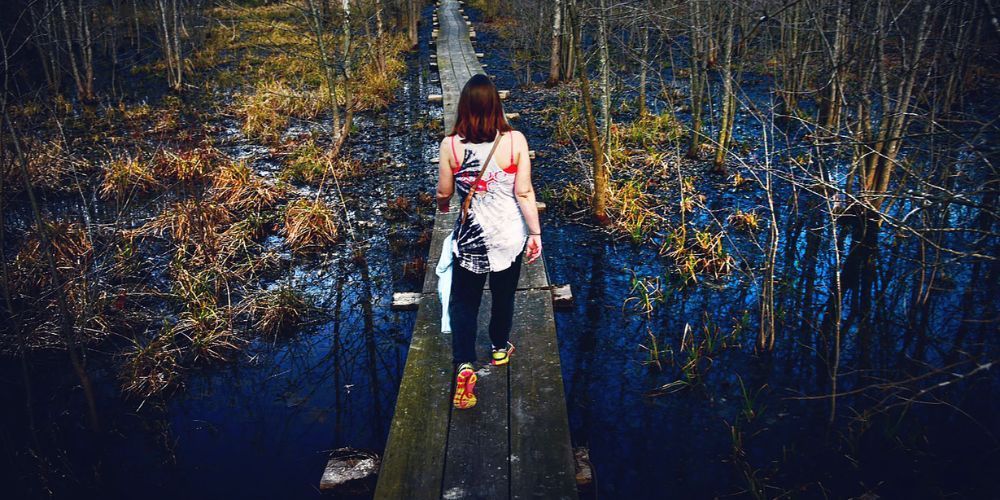
Where Indiana Hikers Actually Go: Three Spots Worth Your Time
Indiana isn't the Rockies, and that's exactly the point. The terrain here is approachable. Most trails suitable for beginners stay relatively flat, winding through forest or along water, with occasional gentle climbs that give you a sense of accomplishment without requiring any technical skill.
The dunes are the exception. Trails at Indiana Dunes State Park include real elevation gain, because climbing loose sand works different muscles than flat forest walking. It's challenging in a good way. You'll feel it, but you won't need hiking poles or special footwear to manage it.
Hoosier National Forest trails like Hardin Ridge and those around Tipsaw Lake feel more forested and shaded, with the kind of terrain that rewards a slower pace. The paths are clear and well-marked. Scenic forest views show up without much warning, which is part of what makes these trails feel worth it even on a short hike.
Cultural and Historic Connections: The Indiana State Parks Quest Tradition
Indiana's relationship with its outdoor spaces goes back further than the state parks themselves. The Indiana Dunes area has cultural and historic site visits built into the national park experience, reflecting the region's long layered history including Indigenous presence, European settlement, and early conservation movements that shaped the lakeshore into protected land.
On a more present-day note, the Indiana State Parks system runs an organized hiking quest tracker program. It's a structured way to explore multiple parks with a goal in mind, and it turns a series of day hikes into something that feels cumulative and rewarding. A lot of families use it to build a hiking habit together over a season.
Visit Indiana, the state's official tourism platform, actively promotes hiking as one of its core outdoor activities. That's not just marketing. It reflects a genuine statewide culture around accessible outdoor recreation, one that makes the trails feel welcoming rather than intimidating for someone just starting out.
Gear Tips for Hiking in Indiana
Indiana's climate means you're dressing for four genuinely different seasons, and the terrain shifts enough between locations that your footwear matters more than most people expect. At the dunes, sandier soil and climbing elevation mean you want a shoe with a grippy sole and ankle support. On forest trails in Hoosier National Forest, a trail runner or light hiking boot handles the terrain well without feeling heavy.
Layering is smart here regardless of season. Spring and fall in Indiana can shift temperature quickly, especially near the lake at Indiana Dunes. A moisture-wicking base layer, a light mid-layer, and a packable wind or rain shell covers most conditions without adding bulk to your pack.
For a day hike, you'll want a daypack with enough room for water, snacks, a small first aid kit, and your layers. Sun protection matters at the dunes where you're exposed on open sand. On shaded forest trails, bug repellent earns its place in your bag from late spring through early fall. Trekking poles are optional on most Indiana trails, but they're genuinely useful on the dune climbs if you have them.
Essential Gear for Indiana

Yaktrax Walk Traction Cleats for Snow and Ice

Osprey Ultralight Collapsible Stuff Pack, 18L
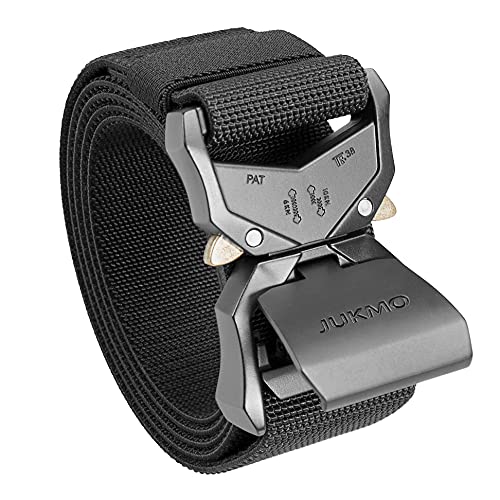
Jukmo Tactical Belt, 1.5" Nylon with Quick Release
List of Services
-
Camping in Indiana Find Indiana's best campgrounds for women, beginners, and families. Sites, fees, gear tips, and more. Start planning your Indiana camping trip today.Camping in Indiana
-
Cycling in Indiana Find Indiana's top cycling trails for beginners and families. Real routes, gear tips, and when to go. Start planning your ride today.Cycling in Indiana
-
Hiking in Indiana Find Indiana's best hiking trails for beginners and families. Discover top spots, gear tips, and when to go. Start planning your trip today.Hiking in Indiana
-
Kayaking in Indiana Discover Indiana's top kayaking spots, when to go, and what to bring. Perfect for beginners and families. Start planning your paddle trip today.Kayaking in Indiana