
Cycling in Kansas: Open Roads, Rolling Hills, and Rides Worth Taking
People assume Kansas is flat. Parts of it are. But the eastern third of the state has real topography, especially once you get into the Flint Hills, where the land rolls and dips in long, grassy waves. It's not technical riding. It's steady, rhythmic, and the kind of climb that feels earned without being punishing.
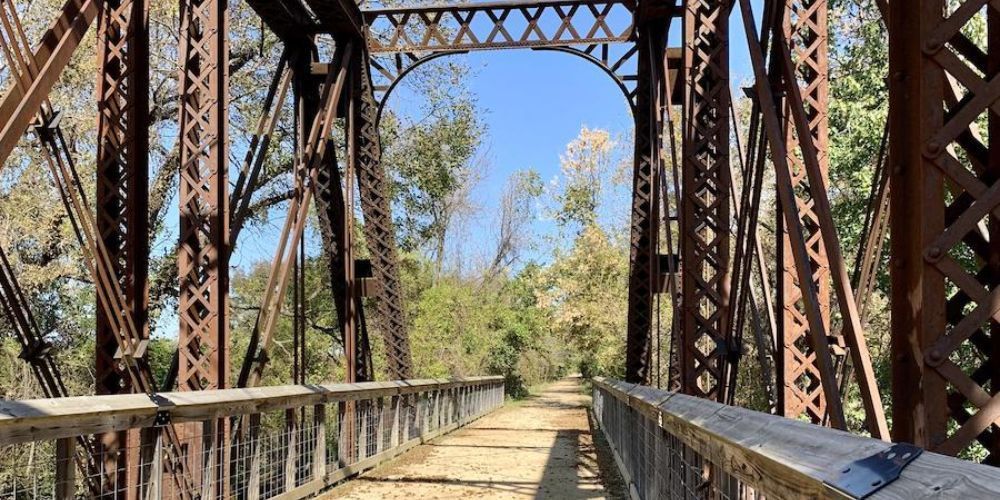
The rail trails, which are converted from old railroad corridors, tend to be level and smooth. They're the easiest entry point for beginners and a genuinely pleasant ride for anyone who wants to cover some ground without grinding uphill. Crushed limestone is a common surface on Kansas rail trails, so it's firmer than gravel but softer than pavement. A hybrid or gravel bike handles it well.
Road cycling in Kansas tends to follow county roads that see very little traffic. You can go miles without passing a car. That kind of solitude is one of the real draws of riding here, especially if you're used to urban cycling.
What Kansas Terrain Is Actually Like on a Bike
Spring and fall are the seasons that make Kansas cyclists loyal to the state. April through early June brings mild temperatures, wildflowers along the trail edges, and a greenness to the Flint Hills that peaks and then fades fast. September and October bring cooler air, lower humidity, and a golden quality to the light in the late afternoon that's hard to describe but easy to remember.
Summer riding is possible, but Kansas heat is serious. July and August temperatures regularly climb past 95 degrees, and the humidity in the eastern part of the state adds to it. If you're riding in summer, start before 8 a.m. and be done by midday. Carry more water than you think you need.
Winter rides happen, especially in the southern part of the state where temperatures stay more moderate. But wind is the real variable in Kansas winter. A calm day in January can be a beautiful ride. A windy one is a different experience entirely. Check the forecast before you commit.
The Cultural and Historic Thread Running Through Kansas Cycling
Kansas has a rail history that's embedded in how the state was built. The same corridors that carried cattle and wheat across the plains in the 1800s are now some of the best cycling infrastructure in the Midwest. Riding a rail trail here isn't just a workout. It's a slow pass through the economic backbone of a state that was once the center of American agriculture and expansion.
The Santa Fe Trail crossed Kansas, and portions of the route are commemorated along roads and trails in the eastern and central parts of the state. Cycling near those routes gives you a different relationship with the landscape than driving through it. You feel the distances that settlers actually covered on foot and by wagon. It reframes the flatness entirely.
Small towns along Kansas trail corridors often have their own stories. Grain elevators, old depots, and storefronts that have been there for a hundred years. Stopping in those towns for a cold drink or a meal is part of the ride, not a detour from it.
Gear Tips for Riding in Kansas
The most important gear decision in Kansas is your bike choice. If you're sticking to rail trails, a hybrid or comfort bike works well on crushed limestone surfaces. If you're planning any road cycling on county routes, a road or gravel bike gives you more speed and less fatigue over longer distances. Knobby mountain bike tires are more than you need for most Kansas trails.
Sun protection matters more here than in most states. Kansas has very little shade on open trails and roads, and the sun is intense from late spring through early fall. A good cycling cap that fits under your helmet, UV-protective arm sleeves, and sunscreen applied before you leave the car are all worth the effort. Sunglasses with UV protection are non-negotiable on a bright Kansas day.
Wind is the variable that catches new Kansas cyclists off guard. A headwind on an exposed trail can double your effort, so check wind direction before you plan your route. Starting your ride into the wind and finishing with it at your back makes the return feel like a reward. A light packable windbreaker is useful in spring and fall when temperatures can shift significantly between morning and afternoon.
Carry more water than the distance suggests you'll need. The heat and wind in Kansas pull moisture out of you faster than you expect. A hydration pack or two full bottle cages is smart for any ride over 10 miles, especially in warmer months.
Essential Gear for Kansas

Moreok Waterproof Winter Cycling Gloves
List of Services
-
Camping in Kansas Find top Kansas camping spots, lakeside sites, gear tips, and permit info. Plan your next outdoor trip with confidence. Start here.Camping in Kansas
-
Cycling in Kansas Discover Kansas's best cycling trails for women and families. Find scenic routes, gear tips, and when to go. Start planning your Kansas ride today.Cycling in Kansas
-
Hiking in Kansas Find the best hiking trails in Kansas for beginners and families. Real trail details, gear tips, and top spots. Start planning your Kansas hike today.Hiking in Kansas
-
Kayaking in Kansas Discover Kansas's best kayaking routes for women, beginners, and families. Find top spots, gear tips, and when to go. Start planning your trip today.Kayaking in Kansas