
Michigan by Bike: Rail Trails, Lakeshore Routes, and Rides Worth Waking Up Early For
Michigan's bike trail network includes a strong collection of rail trails, and these are where a lot of people fall in love with cycling. Former railroad corridors converted to smooth, flat paths, they tend to be well-maintained, clearly marked, and forgiving on the knees. They're the kind of trail where you can have a real conversation while you ride.
The Hike-Bike Trail near Clarkston is a good example of what Michigan does well for newer riders. It's a 7.9-mile out-and-back route rated easy, with an average completion time of around two and a half hours. It has over 470 reviews on AllTrails, which tells you that folks are actually using it and finding it worth sharing. It's a comfortable introduction to trail riding without feeling like a beginner's consolation prize.
If you're riding with kids or looking for a route that rewards the whole group equally, Michigan's family-friendly rail trails are worth building a weekend around. The DNR manages trail designations across the state park system, and their website at michigan.gov is the most reliable place to pull current trail information before you go. Trail lengths, difficulty levels, and elevation data are all there.
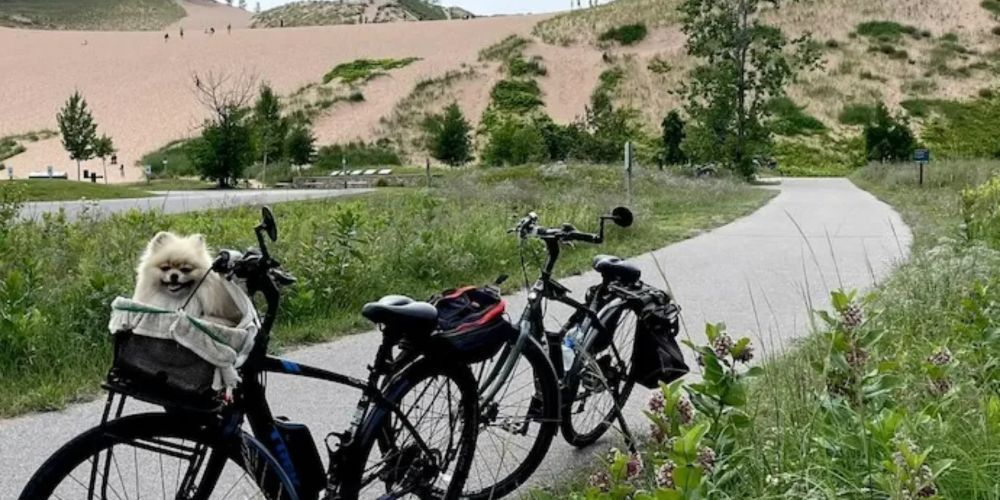
Rail Trails and Beginner-Friendly Routes Worth Knowing
The Leelanau Peninsula is the kind of place that stops you mid-ride just to look. Water on both sides, cherry orchards, small harbor towns with good coffee. Adventure Cycling offers a seven-day self-contained cycling tour centered there, and the fact that it draws cyclists from around the country says something about what the route delivers. You carry your own gear, set your own pace, and earn every view.
The Holland to Grand Haven corridor is a more accessible option for a day ride or a weekend trip. From Holland State Park, bike paths connect eastward into downtown Holland and northward toward Grand Haven via Park Township bike paths. That makes it a natural corridor for an out-and-back or a point-to-point ride with a car shuttle. The lakeshore stretches along the way are calm and open, and the towns on either end give you real reasons to stop.
Northern Lower Peninsula has also earned its place on the cycling map. Wilderness Voyageurs runs a six-day guided tour called the Michigan Islands, Trails and Dunes Bike Tour through that region, covering the kind of terrain that's harder to plan on your own. For anyone who wants to experience the area without mapping every mile themselves, a guided tour is a practical choice, not just a luxury.
Using Campgrounds as Your Cycling Base
Some of the best rides in Michigan start from a campsite. The Lake Michigan at Manistee campground within the Huron-Manistee National Forests is one worth bookmarking. It provides direct access to hiking and biking trails, and the campground itself includes an amphitheater and family-friendly facilities. You can swim, fish, or kayak when you're off the bike, which matters on a multi-day trip.
Planning a camping-centered cycling trip takes a little more coordination, but the payoff is real. You wake up already at the trailhead. No driving, no traffic, no hunting for parking. Just coffee, sunscreen, and the trail. Michigan state park campgrounds are increasingly discussed in cycling communities as strong bases for e-bike riders as well, since many of the connecting paths are e-bike friendly.
If you're planning a camping trip around cycling, check recreation.gov for campground availability and amenities before you go. Sites at popular locations like Lake Michigan at Manistee fill up fast, especially in summer. Booking a few weeks out gives you the best options.
Multi-Day Tours for When You're Ready to Commit
Some trips are worth planning a season in advance, and Michigan has two strong options for multi-day cycling that are genuinely well-organized. Adventure Cycling's seven-day self-contained Lakeshore Tour gives you the Leelanau Peninsula with your own itinerary and your gear loaded on your bike. It's a serious undertaking, but it's also a serious reward. The route takes you through lakeshore landscapes that you simply can't get from a car window.
Wilderness Voyageurs runs the Michigan Islands, Trails and Dunes Bike Tour over six days through the Northern Lower Peninsula. It's guided, which means logistics are handled and you can focus on the riding. For anyone new to multi-day touring, starting with a guided experience is a smart call. You learn how your body handles consecutive riding days without having to navigate alone.
Both tours highlight what Michigan's northern regions offer at a pace that lets you actually absorb it. These aren't checkpoint tours. They're the kind of trips you talk about for years.
Cultural and Historic Connections Along Michigan's Trails
Michigan's rail trails carry more history than most people realize. Many of the smoothest, flattest cycling paths in the state follow corridors that once moved timber, iron ore, and passengers across the Lower Peninsula. The rail-to-trail conversion movement took hold here in a meaningful way, and what was once industrial infrastructure is now one of the state's most accessible outdoor assets. Riding one of these trails, you're moving through layers of the state's working history.
The Leelanau Peninsula has its own deep story. The region is home to the Grand Traverse Band of Ottawa and Chippewa Indians, whose presence on this land long predates the cherry orchards and harbor towns that cyclists now ride through. Taking a moment to acknowledge that context, and to learn a bit about the area's Indigenous history before you go, adds something real to the experience. It's a richer trip for it.
Holland, at the western end of the cycling corridor connecting to Grand Haven, was settled by Dutch immigrants in the 1840s. The town still carries that heritage visibly, from its architecture to its annual Tulip Time Festival. Cycling through it gives you a ground-level sense of place that a driving tour doesn't.
Essential Gear for Michigan
Gear Tips for Riding Michigan's Trails
Michigan weather moves fast, especially near the lakes. A morning that starts cool and gray can turn warm and sunny by noon, or go the other direction entirely. Layering is the most practical strategy here. Start with a moisture-wicking base, add a light wind-resistant layer you can tie around your waist, and you're set for most conditions between late spring and early fall.
For beginners or folks returning to cycling after a gap, fit matters more than brand. A properly fitted helmet is non-negotiable. Padded cycling shorts make a long rail trail ride dramatically more comfortable, even if they feel unnecessary on the first short outing. Your body will thank you by mile four. Gloves with padding at the palm help on anything longer than an hour.
If you're planning to ride rail trails or the Holland to Grand Haven corridor, a hybrid bike handles the terrain well. You don't need a road bike or a mountain bike. A comfortable, upright hybrid with mid-range tires covers most of what Michigan's paved and packed-surface trails will ask of you. Bring a small saddlebag with a tube, a patch kit, and a mini pump. Flats happen, and being prepared turns a setback into a two-minute stop.
List of Services
-
Camping in Michigan Discover Michigan's best campgrounds for women, beginners, and families. Top sites, gear tips, and when to go. Start planning your Michigan camping trip today.Camping in Michigan
-
Cycling in Michigan Discover Michigan's best cycling trails for women and families. Find top routes, gear tips, and when to ride. Start planning your trip today.Cycling in Michigan
-
Hiking in Michigan Discover Michigan's best hiking trails for beginners and families. Top spots, gear tips, and when to go. Start planning your trip today.Hiking in Michigan
-
Kayaking in Michigan Discover Michigan's top kayaking spots, permit tips, and gear advice for beginners and families. Plan your paddle trip today at SportsAndNatureGear.com.Kayaking in Michigan