
Michigan Camping: Where to Go, What to Know, and Why You'll Keep Coming Back
The AuSable River Dispersed Camping area is one of those places that rewards a little planning. It stretches across a 55-mile corridor within the Huron-Manistee National Forests, with 102 individually designated single-family campsites spread along the river. Each site is its own, not a row in a crowded loop, which means you wake up to moving water and not your neighbor's generator. Book through Recreation.gov, and go early in the season if you want the best stretch of riverbank.
Platte River Campground at Sleeping Bear Dunes National Lakeshore sits in the southern district of the park on the Lower Peninsula. It's one of the few year-round campgrounds in the state, which makes it a solid choice if you're planning a shoulder-season trip in spring or fall. The dunes themselves have been drawing visitors since long before the national park designation, and the Ojibwe people of this region held this land as sacred for generations before it became a lakeshore preserve. That history doesn't disappear when you set up your tent. It sits there quietly with you.
Huron National Forest in the northeastern Lower Peninsula is home to some of the state's most-traveled camping trails. It's a good starting point for beginners because the trails are well-documented and the infrastructure is reliable. If you're introducing someone younger to overnight camping, this is a forgiving place to do it.

Where Michigan Campers Actually Go
The Upper Peninsula is not the same trip as the Lower. It's wilder, quieter, and a little less forgiving if you come unprepared. There are at least nine standout campgrounds within Michigan State Parks up here, and each one rewards the extra drive it takes to reach it. Most folks who make the trip once start planning the return before they leave.
Hiawatha National Forest spans a large section of the UP and offers 43 campgrounds plus one permit area, all bookable through Recreation.gov. The range of options means you can find something simple and accessible or something more remote, depending on what you're after. Reservations and permits are available on the same platform, so you're not juggling multiple systems.
For those who want a longer trail experience, the Escarpment, Government Peak, Little Carp River, and Lake Superior Loop near Ontonagon is the longest camping trail in that area according to AllTrails. It's not a beginner route, but it's worth knowing about if you're building toward something more ambitious. The Lake Superior shoreline sections are the kind of scenery that makes you stop mid-step.
A Little History Along the Shoreline
Stafford County Park in Michigan's Thumb region stands out for its historical architecture, which gives it a character most campgrounds don't have. Camping here puts you inside a landscape that carries the marks of earlier Michigan life. That kind of place asks you to slow down, look around, and pay attention in a different way than a forest site does.
The Thumb region as a whole offers campgrounds with genuinely different personalities. Caseville County Park, also in the Thumb, is known for its sandy beaches along Saginaw Bay. You get the lakeshore experience without having to drive all the way to the western side of the state. For a long weekend, the Thumb is an underrated circuit that combines beach time with a bit of regional history.
Michigan also has a long tradition of published outdoor adventure guides, including titles specifically designed to pull campers off the main routes. The Michigan DNR website lets you search all state park and forest campgrounds, cabins, yurts, and lodges in one place. If you're the kind of person who likes to do your research before committing to a spot, that's where to start.
What to Wear and Bring for Michigan Camping
Michigan weather is honest about being unpredictable. Even in July, nights near the water can drop faster than you expect, especially in the Upper Peninsula. Layering isn't optional here. A mid-weight fleece, a packable rain shell, and moisture-wicking base layers will carry you through most Michigan camping conditions from late spring through early fall.
Footwear matters more than most beginners expect. If you're camping near river corridors like the AuSable or planning any trail time in Huron National Forest, waterproof hiking boots are worth the investment. Trail runners work for dry, groomed paths. They don't work well when the terrain is wet and rooted, which it often is in Michigan's forests.
For sleeping, the ground is colder than the air temperature suggests, so a sleeping pad with real insulation underneath your bag makes a meaningful difference. If you're bringing a daughter or a friend who's new to camping, this is the one piece of gear that tends to determine whether someone sleeps well or spends the night miserable. Get the pad right and the rest of the trip tends to follow.
Essential Gear for Michigan

Carhartt Soft Shell Camping Cooler, Brown

Anlisim Merino Wool Hiking Socks, 5 Pairs

LifeStraw Personal Water Filter, 3 Pack

Yaktrax Walk Traction Cleats for Snow and Ice
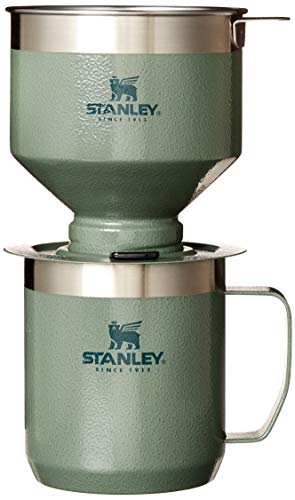
Stanley Perfect Brew Pour Over Set, 12 oz
List of Services
-
Camping in Michigan Discover Michigan's best campgrounds for women, beginners, and families. Top sites, gear tips, and when to go. Start planning your Michigan camping trip today.Camping in Michigan
-
Cycling in Michigan Discover Michigan's best cycling trails for women and families. Find top routes, gear tips, and when to ride. Start planning your trip today.Cycling in Michigan
-
Hiking in Michigan Discover Michigan's best hiking trails for beginners and families. Top spots, gear tips, and when to go. Start planning your trip today.Hiking in Michigan
-
Kayaking in Michigan Discover Michigan's top kayaking spots, permit tips, and gear advice for beginners and families. Plan your paddle trip today at SportsAndNatureGear.com.Kayaking in Michigan