
Connecticut Trails Worth Lacing Up For
Kent is one of the best places to start if you haven't hiked much before. The town has at least eight easy trails, several of them kid-friendly, and a handful that pass by historic sights that give the walk a little extra story. The terrain is forgiving, the distances are manageable, and the scenery does not disappoint. It's the kind of place where a two-hour walk feels like a full afternoon well spent.
Black Rock State Park, located near the 21-acre Black Rock Lake, is another solid choice for first-timers. A portion of the 35-mile Mattatuck Blue Trail System runs through this area, and you can pick up as much or as little of it as you want. The lake sits right beside the park, and on a calm morning the water can look like glass. It's a trail that rewards you quickly, without asking too much in return.
Hancock Brook Lake offers a different kind of beginner experience. The 40-acre shallow lake and its surrounding streamside environment give you a walk that feels more like wandering than working. There are opportunities to cast a line or just follow the trail at an unhurried pace along the water. For anyone just finding their footing with hiking, this kind of gentle, nature-forward setting is a good place to build confidence.
The Connecticut Audubon Society's Glastonbury location on Main Street is worth knowing about, especially if you want trails with some educational depth. There are hiking paths and small beachy areas along the water that make it easy to linger. It's a calm, restorative spot that works equally well for a solo morning out or a relaxed outing with kids.
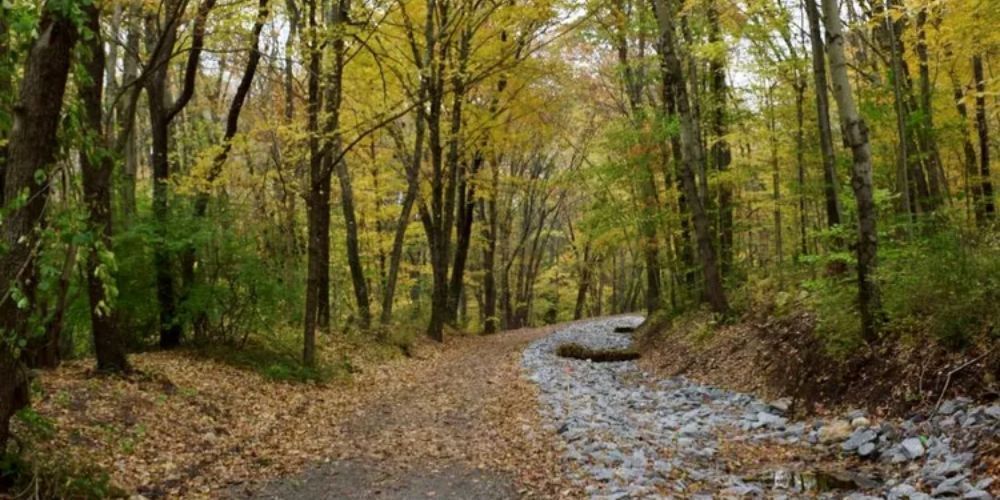
Best Trails for Beginners in Connecticut
Connecticut hiking covers a real range. You'll find paved paths smooth enough for sneakers, and you'll find dirt forest trails that ask you to watch your footing on roots and rocks. Most trails accessible to beginners fall somewhere in the middle, a packed dirt path with gentle elevation changes and enough tree cover to make the walk feel shaded and peaceful. The state is not mountainous in a dramatic way, but there are hills that will get your heart rate up.
The Mattatuck Blue Trail System, which stretches 35 miles and cuts through the Black Rock Lake area, gives you a sense of what more sustained Connecticut hiking looks like. You don't need to tackle all 35 miles. Picking a section and turning back is completely reasonable, and the trail is well-marked enough that you won't feel lost doing it. It's a good trail to grow into over multiple visits.
For water-adjacent hiking, Hancock Brook Lake and West Thompson Lake both offer trails that follow stream and shoreline environments. The footing is generally softer and the elevation changes are minimal. These are peaceful routes that feel less like a workout and more like a long, thoughtful walk. That's not a downgrade. Some of the best afternoons on a trail are exactly that.
Events and Challenges Worth Joining
Connecticut State Parks runs the Sky's The Limit Hiking Challenge, and the 2025 version is live and ready for sign-ups. The premise is simple: work your way through Connecticut state parks hiking locations and cross them off as you go. It's the kind of structure that turns a loose intention to hike more into something with momentum behind it. A lot of people find that having a list makes it easier to actually go.
If you have a daughter who needs a reason to put down her phone, this challenge is a surprisingly good one. The parks are varied enough to keep things interesting, and the satisfaction of checking off a location is real at any age. You can find the challenge details through Connecticut State Parks directly. It costs nothing to join and gives you a season's worth of direction.
Cultural and Historic Connections Along the Trail
Kent, Connecticut has been a draw for artists and historians for well over a century. The town sits in the Litchfield Hills and has a character shaped by that landscape, old ironworks, covered bridges, and a stretch of the Housatonic River that has been painted and photographed more times than anyone has counted. Several of the easy hiking trails in the area pass by historic sights that give you a bit of that context while you walk. It adds something to a trail when you know what the land has held.
The Connecticut Audubon Society has been stewarding land and educating people about Connecticut's natural environment since 1898. The Glastonbury location is one place where that mission becomes a walk you can actually take. The trails are designed to connect you with the habitat, not just pass through it. That framing changes how you look at the trees, the water, and the birds overhead.
Gear Tips for Hiking in Connecticut
New England weather moves fast, and Connecticut is no exception. A morning that starts cool and overcast can turn warm and humid by noon in summer, or drop sharply in spring and fall. Layering is not optional here. A lightweight moisture-wicking base layer, a packable mid-layer, and a rain shell that fits in your bag will cover most scenarios without weighing you down. Don't skip the rain layer because the sky looks fine when you leave.
Footwear matters more than anything else in your kit. For the packed dirt and rooted forest trails common in Connecticut, a trail shoe with grip and ankle support is the right call. You don't need a full mountaineering boot for most of these trails, but a flat sneaker will leave you slipping on wet roots and sore by the end. Fit your shoes with the socks you actually plan to wear, and break them in before your first big outing.
A few other items earn their place in your pack for Connecticut hiking. Trekking poles help on any trail with elevation changes or wet conditions, and they save your knees on the way down. A basic first aid kit, a headlamp, and more water than you think you need round out the essentials. The trails here are generally well-traveled, but being prepared means you can focus on the walk instead of managing problems.
Essential Gear for Connecticut
-
![Anlisim merino wool hiking socks in tie-dye pattern for women winter hiking]()
Anlisim Merino Wool Hiking Socks, 5 Pairs
Five pairs of warm merino wool socks in fun tie-dye colors. A practical and cozy option for CT winter hikes or daily wear.See Current Price -
![Yaktrax Diamond Grip traction cleats on boot for all-surface winter walking]()
Yaktrax Diamond Grip All-Surface Traction Cleats
A step up from basic cleats, these are built for mixed winter surfaces. Designed for walking on both ice and packed snow.Check Today's Price -
![Alvada merino wool hiking socks crew height for cold weather hiking]()
Alvada Merino Wool Hiking Socks, 3 Pairs
Warm, natural wool socks that work well for cool CT trail days. Comes in a 3-pair set, sized for men and women.See Current Price -
![Yaktrax Walk traction cleats stretched over boot for winter walking on ice]()
Yaktrax Walk Traction Cleats for Ice and Snow
Slip these over your shoes for added grip on icy CT sidewalks and trails. Designed for walking on snow and ice.Check Today's Price -
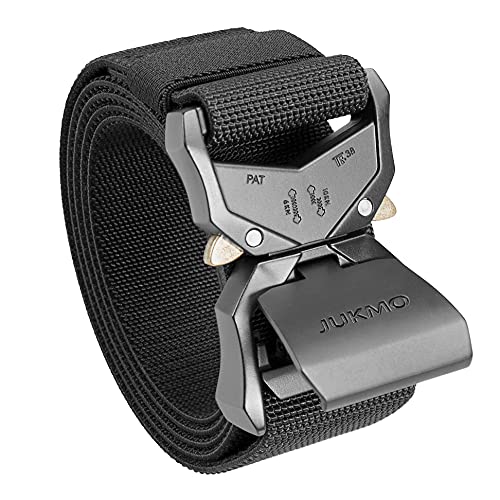
![Jukmo tactical nylon belt with quick release buckle for hiking and outdoor use]()
Jukmo 1.5" Nylon Tactical Hiking Belt
A sturdy nylon belt with a quick-release buckle. Good for hiking or everyday outdoor use. Made with 1.5-inch nylon webbing.View on Amazon


List of Services
-
Camping in Connecticut Find Connecticut's best camping spots for women, beginners, and families. Top sites, gear tips, and when to go. Start planning your trip today.Camping in Connecticut
-
Cycling in Connecticut Discover Connecticut's best cycling trails for women and families. Find top routes, gear tips, and when to go. Start planning your ride today.Cycling in Connecticut
-
Hiking in Connecticut Find Connecticut's best hiking trails for beginners, families, and solo adventurers. Real tips, top spots, and gear advice. Start planning your trip today.Hiking in Connecticut
-
Kayaking in Connecticut Find Connecticut's best kayaking routes for women, beginners, and families. Top spots, gear tips, and when to go. Start planning your paddle trip today.Kayaking in Connecticut