
Connecticut's Best Kayaking Spots: Calm Water, Good Company, and Routes Worth the Drive
The East River Paddle Route near Guilford is one of the most rewarding easy paddles in the state. It's a 6.6-mile out-and-back route along a tidal river, calm enough for beginners and interesting enough to keep seasoned paddlers engaged. The river winds through marshland, and if you bring binoculars, you'll be glad you did. Birding along this route is exceptional, with shorebirds and marsh species visible from the water in a way you'd never see from a trail.
For a point-to-point paddle with a little more distance, the Salmon River Paddle near East Lyme covers 7.5 miles of easy flatwater. This route is a good one to do with a friend since you'll need a shuttle for the two put-in points, one at each end. The river has a gentle pace and a quiet, unhurried feel that makes it easy to settle into a rhythm.
Coventry Lake Paddle, a 3.3-mile loop near Coventry, is a solid choice when you want a shorter outing or you're introducing someone new to kayaking. The loop format means no logistics and no shuttle, just a relaxed circuit around the lake and back to where you started. It's the kind of paddle you could do on a weekday morning and still be home by lunch.
If you're drawn to still, shallow water with room to wander at your own pace, Hancock Brook Lake is a 40-acre lake where the feeder streams and streamside environment are especially good for exploring by canoe or kayak. The shallow depth keeps things calm and accessible, and the surrounding landscape rewards slow, quiet movement through it.
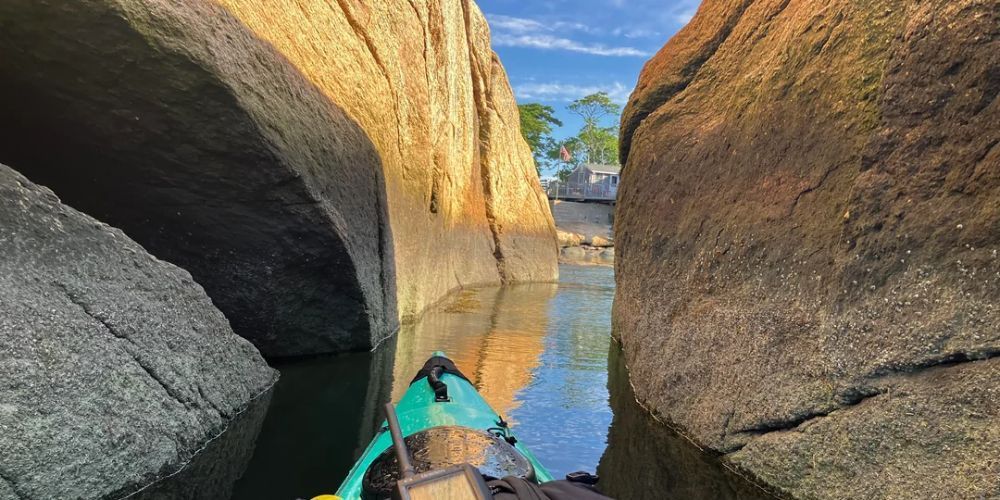
Where Connecticut Paddlers Actually Put In
Hop Brook Lake Recreation Area is a day-use park where kayaking and canoeing are part of a fuller outdoor day. The park includes four picnic shelters, swimming, hiking, mountain biking, and fishing alongside the paddling. It's the kind of place where you can spread a whole day across different activities without ever leaving, which makes it especially useful if you're planning something for a mixed group or a daughter who'd rather swim than paddle.
West Thompson Lake stands out if you want to combine kayaking with time on the water for fishing. The lake has a strong population of warm-water fish, including bass, making it a favorite for anglers who like to cast a line from a kayak. It's also one of the few spots in this guide with an associated campground, so a multi-day trip is genuinely possible here. Arrive on a calm morning and the surface can be glassy, which makes the whole experience feel slower and more restorative than you might expect from a single day trip.
Wildlife and Nature on Connecticut's Water
The East River near Guilford puts you right inside a working salt marsh ecosystem. Herons, egrets, ospreys, and various shorebirds use this corridor regularly, and on a calm morning you can get surprisingly close without disturbing them. Paddling quietly is both a skill and a courtesy here, and it pays off.
At West Thompson Lake, the wildlife angle shifts to what's below the surface. The bass population there is well established, and you'll often see other anglers out early on the water, casting from kayaks or canoes. It's a good reminder that kayaking and fishing aren't separate pursuits, they can be the same morning. If you've ever wanted to try fishing from a kayak, a calm lake with healthy fish populations is the place to start.
Connecticut sits along the Atlantic Flyway, a major migratory bird route that runs along the Eastern Seaboard. That matters for paddlers because tidal rivers like the East River serve as critical resting and feeding habitat for birds during spring and fall migration. If you time a paddle for late April or early October, you're likely to share the water with species that are only passing through.
Gear Tips for Paddling Connecticut's Rivers and Lakes
Connecticut's climate means you're dealing with real seasonal range. Spring paddles can be cold even on sunny days, so a wetsuit or dry top is worth having if you're going out before Memorial Day. The water temperature lags behind the air, and a capsize in 50-degree water is a different situation than one in 70-degree water. Dress for the water temperature, not the air.
For flatwater routes like the ones in this guide, a sit-on-top or recreational kayak works well. You don't need a touring boat to enjoy any of these routes, but you do want a paddle that's the right length for your height. A paddle that's too long makes a full day feel harder than it needs to. Most rental operations can help you size one correctly if you're not sure.
A personal flotation device is required on Connecticut waters, and it needs to be worn, not just stowed in the back of the kayak. Look for a low-profile PFD designed for paddle sports, which allows a full range of arm motion without bulk. Sun protection matters more on the water than on land because the reflection doubles your exposure. A lightweight, long-sleeve shirt and a wide-brimmed hat will carry you through most summer and shoulder-season paddles without overheating.
Essential Gear for Connecticut
-
![Athmile barefoot water shoes quick-dry design for kayaking and beach use]()
Athmile Hiking Barefoot Water Shoes for Women
Affordable water shoes that dry fast and fit wide feet comfortably. Good for kayaking, beach days, or wading in Connecticut's rocky rivers. $17.99.Check Today's Price -
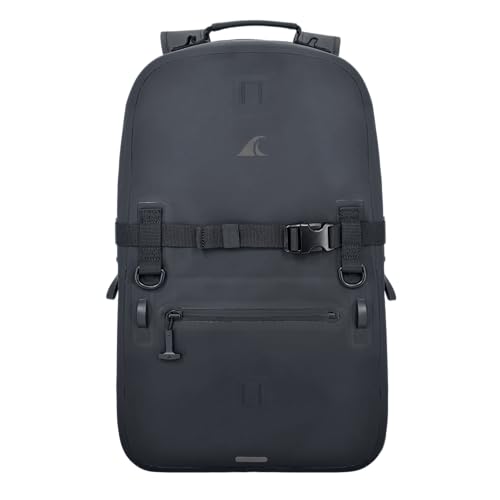
![Breakwater Supply Fogland waterproof backpack in black for kayaking and boating]()
Breakwater Supply Fogland Waterproof Backpack 25L
A fully waterproof backpack with airtight zippers and a laptop sleeve. Keeps gear dry on the water. IP68 rated, 25L capacity, in Stealth Black. $219.95.See Current Price

List of Services
-
Camping in Connecticut Find Connecticut's best camping spots for women, beginners, and families. Top sites, gear tips, and when to go. Start planning your trip today.Camping in Connecticut
-
Cycling in Connecticut Discover Connecticut's best cycling trails for women and families. Find top routes, gear tips, and when to go. Start planning your ride today.Cycling in Connecticut
-
Hiking in Connecticut Find Connecticut's best hiking trails for beginners, families, and solo adventurers. Real tips, top spots, and gear advice. Start planning your trip today.Hiking in Connecticut
-
Kayaking in Connecticut Find Connecticut's best kayaking routes for women, beginners, and families. Top spots, gear tips, and when to go. Start planning your paddle trip today.Kayaking in Connecticut